
Software development has become faster and more complex than ever before. Teams are expected to build, test, and ship applications quickly — often across cloud environments, containers, and microservices. Managing all of this infrastructure manually slows teams down. Platform engineering offers a practical solution by giving developers a ready-to-use foundation so they can focus on writing code, not managing systems.
What Is Platform Engineering?
Platform engineering is the practice of building and maintaining an internal developer platform — a centralized system that provides developers with all the tools, infrastructure, and automated workflows they need to build and run applications.
Think of it as a pre-configured toolkit. Instead of each developer spending hours setting up servers, configuring pipelines, or managing cloud environments, the platform handles all of that in the background. Developers simply plug in and start building.
This approach reduces technical complexity, standardizes development practices across teams, and speeds up the entire software delivery process.
Why Platform Engineering Matters for Software Teams
Modern applications often rely on cloud services, containerized workloads, microservices architecture, and automated deployment pipelines. Without a structured platform, managing all of these moving parts can become a serious bottleneck.
Platform engineering addresses this by providing a standard, repeatable environment where every developer works with the same tools and processes. Key benefits include:
- Faster development cycles — developers spend less time on setup and more time building features
- Improved productivity — a unified platform reduces context switching and tool confusion
- Better system reliability — standardized environments reduce configuration errors
- Easier infrastructure management — teams manage one platform instead of dozens of individual setups
- Consistent development practices — all teams follow the same workflows, improving code quality
Core Tools and Components of a Platform Engineering Setup
A well-built internal developer platform typically includes several layers of tooling and automation. Here is a breakdown of the most common components:
| Component | Purpose |
|---|---|
| Development Tools | Version control, code repositories, and development environments for writing and managing code |
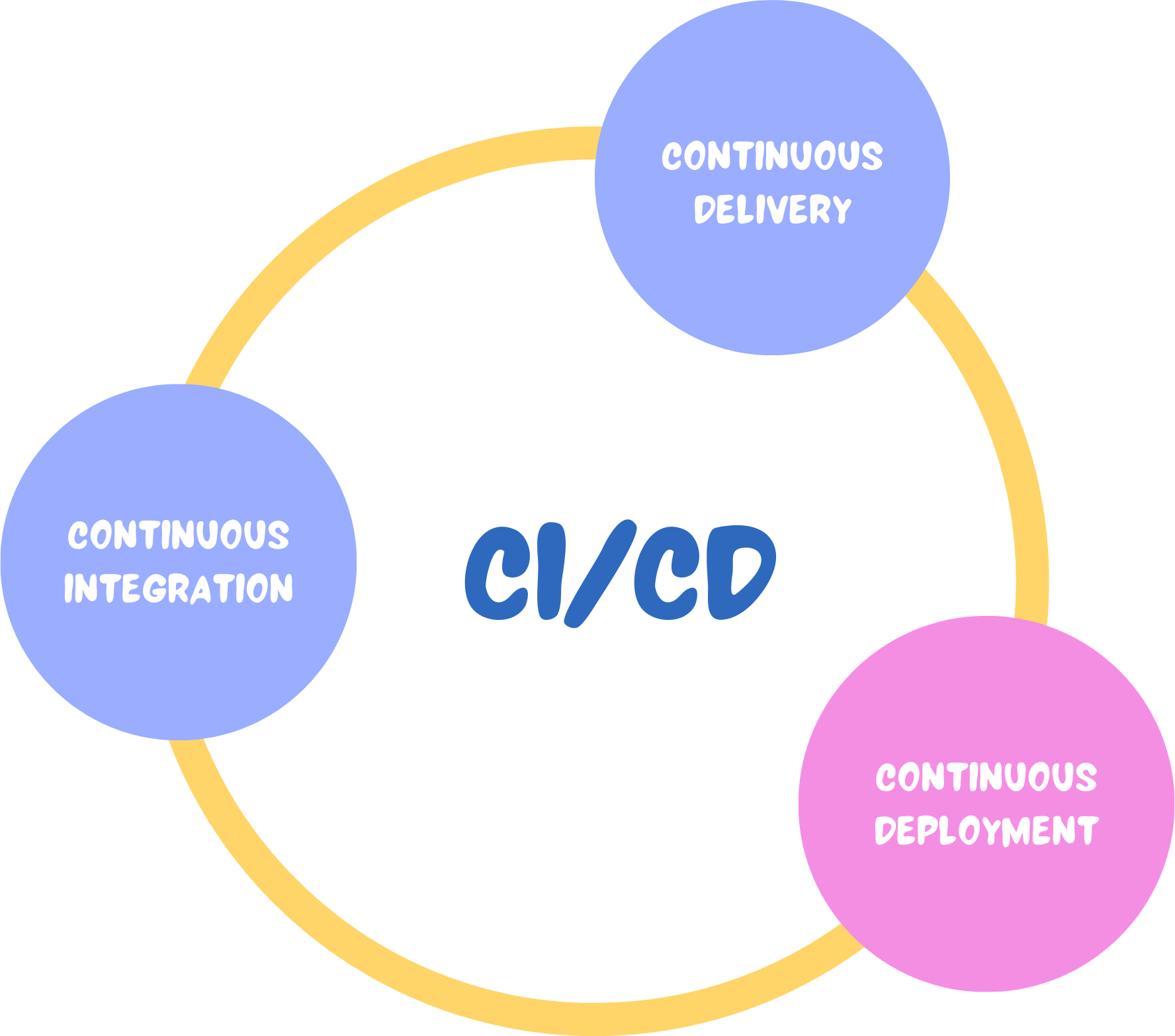
| CI/CD Pipelines | Automatically build, test, and deploy applications when new code is committed |
| Cloud Infrastructure | Scalable, flexible cloud services that remove the need to manage physical servers |
| Monitoring and Logging | Track application performance and store system activity for debugging and analysis |
| Security Features | Built-in security tools that enforce standards during development and deployment |
Together, these components create a self-service environment where developers can access everything they need without waiting on other teams or manually configuring systems.
Platform Engineering vs DevOps: Understanding the Relationship
Platform engineering and DevOps are closely connected but serve different purposes. DevOps is a cultural and operational approach that focuses on improving collaboration between development and operations teams while automating software delivery.
Platform engineering takes those DevOps principles and builds a dedicated infrastructure layer around them. Instead of every team implementing DevOps practices on their own, a platform engineering team creates a shared platform that makes those practices easy to follow by default.
In many organizations, the platform engineering team acts as an internal service provider — building and maintaining the developer platform so that product teams can ship software faster without worrying about the underlying infrastructure.
This separation of concerns is one of the biggest advantages of platform engineering. Product developers focus on features. Platform engineers focus on the systems that support those features.
The Growing Role of Platform Engineering in the Future of Software Development
As software systems grow larger and more distributed, the demand for structured internal platforms is increasing. Companies across industries are investing in platform engineering to manage scale, reduce operational overhead, and maintain development speed.
Several trends are driving this growth:
- Cloud-native development — more applications are being built for cloud environments, which require robust platform support
- Microservices architecture — breaking applications into smaller services increases complexity and the need for centralized tooling
- Developer experience focus — organizations are recognizing that a better developer experience leads to faster and higher-quality software delivery
- Automation at scale — as teams grow, manual processes become unsustainable and platform automation becomes essential
Internal developer platforms are no longer just a nice-to-have. For teams building at scale, they are becoming a core part of how software gets made.
Platform engineering is set to remain a critical discipline as cloud computing, automation, and distributed systems continue to shape how software is built and delivered. Organizations that invest in strong internal platforms today are building a foundation for faster, more reliable development in the years ahead.