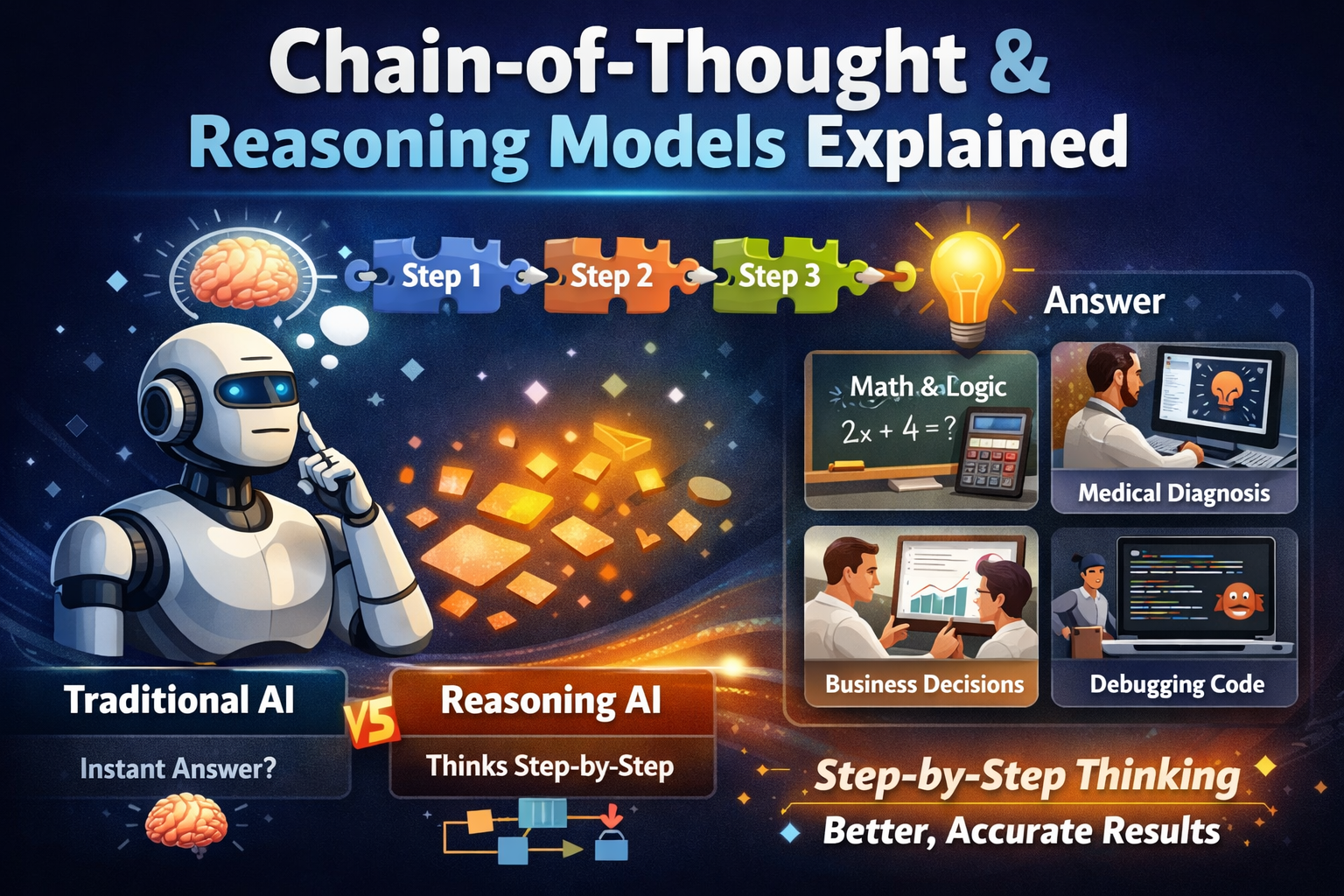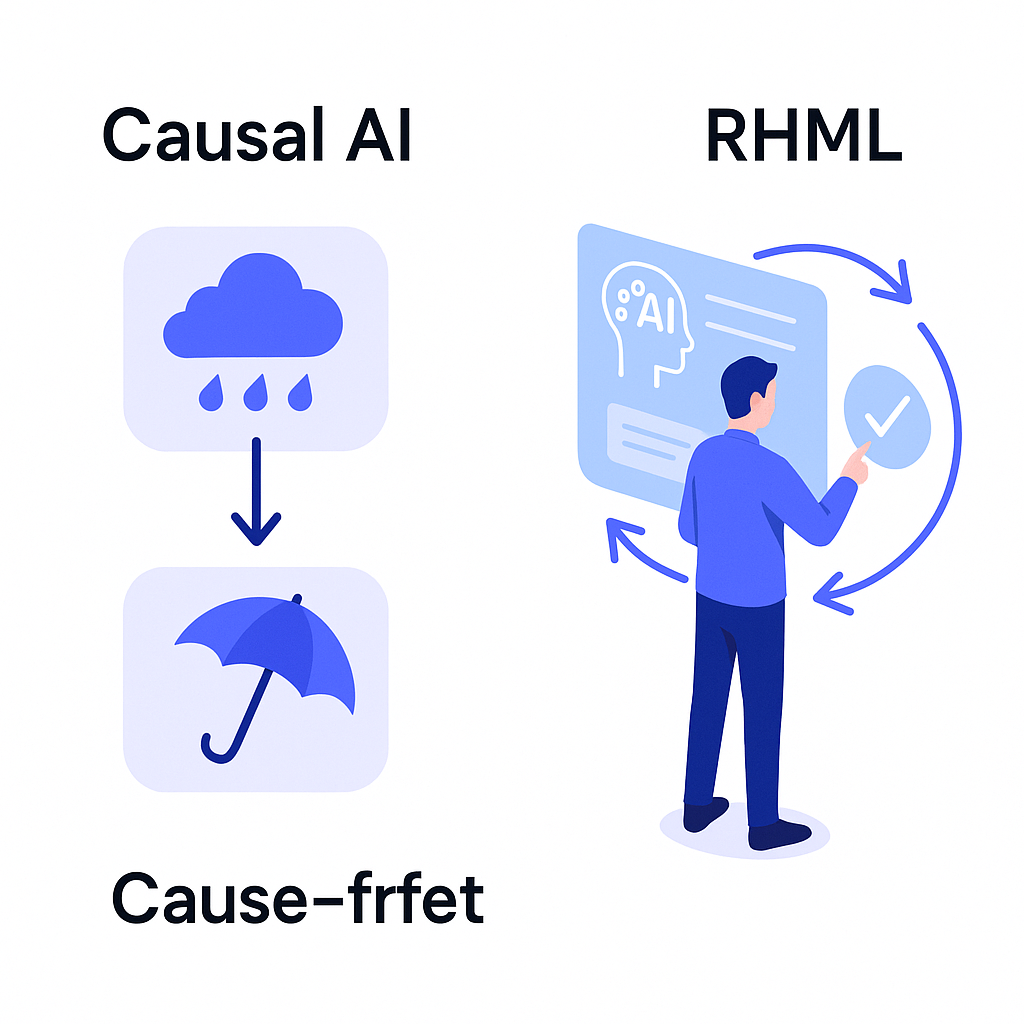

If you have ever chatted with an AI tool like ChatGPT or Claude and noticed it suddenly shifting its tone, giving conflicting answers, or even making up facts, you are not imagining things. This strange behavior has a technical explanation — and it comes down to something researchers call persona vectors.
What Are Persona Vectors in AI?
Large language models (LLMs) like ChatGPT, Claude, and similar AI systems are trained on massive amounts of text data. During this training, the model picks up hidden patterns that shape how it communicates. These internal patterns are known as persona vectors.
Think of persona vectors as invisible personality settings built into the AI. Depending on which settings are active at any given moment, the AI might respond in very different ways:
- Formal and structured, like a professor explaining a concept
- Casual and friendly, like a colleague having a quick chat
- Uncertain or inconsistent, leading to confusing or incorrect responses
These vectors are not manually programmed one by one. They emerge naturally from the training process, which is why they can be difficult to predict or control.
Why Do AI Chatbots Sometimes Act Strangely?
Because multiple persona vectors can be active at the same time, an AI model may shift its behavior mid-conversation without any clear trigger. This is why users often notice:
- Sudden tone shifts — professional in one response, overly casual in the next
- Contradictory answers — giving different responses to the same question asked twice
- Hallucinations — confidently stating facts that are simply not true
This behavior is not intentional. It is a side effect of how the model’s internal settings interact with each other during a conversation. The AI is not “lying” — it is responding based on whichever internal pattern is most active at that moment.
How Are Researchers Working to Fix This?
AI companies and independent researchers are actively working to make language models more consistent and reliable. Some of the key approaches being explored include:
- Persona vector management — identifying and controlling which personality patterns are active to keep responses consistent
- Safety guidelines and fine-tuning — training models with specific rules to reduce abrupt behavioral changes
- Explainable AI (XAI) — developing tools that help researchers and users understand why an AI gave a particular response
These efforts are still ongoing, and no single solution has fully solved the problem yet. However, each new generation of AI models tends to be more stable than the last.
Why This Matters for Everyday Users and Businesses
Understanding persona vectors is not just a concern for researchers. It has real-world implications for anyone who uses or relies on AI tools.
| Who Is Affected | Why It Matters |
|---|---|
| Businesses | Consistent AI responses build customer trust and protect brand reputation |
| Healthcare and Legal Professionals | Reliable AI reduces the risk of dangerous errors in high-stakes fields |
| Content Creators | Stable AI output ensures brand voice stays consistent and factual |
| General Users | Predictable AI makes tools more useful and easier to trust |
For industries like medicine, banking, and legal services, an AI that suddenly changes its tone or gives contradictory information can cause serious problems. This is why solving the persona vector challenge is considered a priority in AI safety research.
What Can You Do as an AI User?
While researchers work on long-term fixes, there are practical steps you can take right now to get more consistent results from AI tools:
- Be specific in your prompts — clear instructions help the AI stay focused
- If an answer seems off, ask the same question in a different way to check consistency
- Always verify important facts from AI responses using trusted sources
- Use AI tools that offer system-level instructions to set a consistent tone
Persona vectors are a natural part of how large language models work today. Being aware of them helps you use AI tools more effectively and critically.
As research in this area grows, AI systems are expected to become more stable, transparent, and trustworthy — making them safer and more useful for everyone.