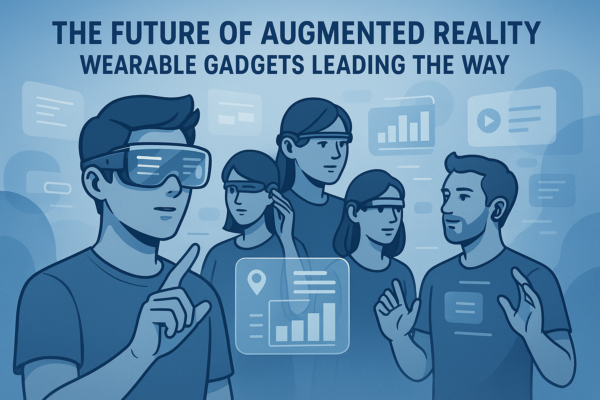
How Wearable AR Gadgets Are Shaping the Future of Augmented Reality
AR wearables like smart glasses and helmets are changing how we work, learn, and play. Here is how augmented reality technology is advancing across industries and what lies ahead.

AR wearables like smart glasses and helmets are changing how we work, learn, and play. Here is how augmented reality technology is advancing across industries and what lies ahead.

Google has banned engineers from using ChatGPT and Claude at work, requiring them to use only internal AI tools like Gemini AI for data security and competitive advantage.

Worldcoin is using iris scanning to verify human identity on the blockchain. Here is how Sam Altman’s WLD project and World ID are reshaping crypto in 2025.

Blockchain and traditional databases both manage data but work very differently. Learn the key differences in security, speed, transparency, and cost to pick the right system.

From GPS watches with geofencing to fitness trackers with reward systems, kids’ wearables are helping parents keep children safe, active, and entertained every day.

Robotics is reshaping supply chain management with warehouse automation, faster order fulfillment, real-time inventory tracking, and autonomous last-mile delivery solutions.

Ruby is evolving fast in 2024 with Ruby 3.x speed gains, RBS type safety, Rails 7.x with Hotwire, Hanami framework, Docker integration, and stronger security practices.

IBM, Google, and Honeywell are driving major quantum computing breakthroughs with new processors, smarter algorithms, and real-world applications in finance, healthcare, and logistics.

Smart tattoos, also called electronic skin, are flexible tech patches that stick to your skin and can monitor health, send data wirelessly, and even replace digital keys.

Self-replicating robots are no longer just a science fiction idea. Labs and space agencies are now developing machines that can build copies of themselves, opening new possibilities for space, industry, and disaster response.