
Writing software used to mean learning complex programming languages, memorizing syntax rules, and spending years building technical skills. Natural-language coding is changing that. By letting people describe what they want in plain words, this approach is opening software development to a much wider audience — from startup founders to school teachers — while also making professional developers significantly faster and more productive.
What Is Natural-Language Coding?
Natural-language coding is a method of building software where you describe what you want in everyday language instead of writing traditional code. An AI-powered tool reads your instruction, understands the intent, and generates the actual code for you.
For example, instead of writing dozens of lines of HTML, CSS, and JavaScript, you simply type: “Create a signup page with an email field, a password field, and a submit button.” The AI produces the full working code in seconds.
The process works as a back-and-forth conversation. You give an instruction, the AI writes the code, and you refine it with follow-up requests like “Make the button blue” or “Add a loading animation.” This makes programming feel less like a technical task and more like directing a skilled assistant.
How the Process Works Step by Step
The workflow behind natural-language coding is straightforward:
- You describe what you need — in plain language, such as “Add a search bar to the top of the homepage.”
- The AI interprets your intent — it understands not just the words but the purpose behind them.
- The AI generates the code — whether it is HTML, CSS, JavaScript, or server-side logic, the tool writes it automatically.
- You review and refine — you can give follow-up instructions to adjust colors, layouts, features, or behavior.
- The final output is ready to use — in many cases, the code can be tested and deployed directly from the same platform.
This step-by-step conversation replaces the traditional process of writing, debugging, and rewriting code manually.
Why Natural-Language Coding Is Growing Fast in 2025
Several factors are driving the rapid adoption of this approach across the software industry:
- Speed: Tasks that once took hours can now be completed in minutes.
- Accessibility: People without any coding background can build functional apps and prototypes.
- Lower costs: Startups and small businesses can build products without hiring large development teams.
- Better collaboration: Designers, product managers, and business owners can contribute directly by describing requirements in plain language.
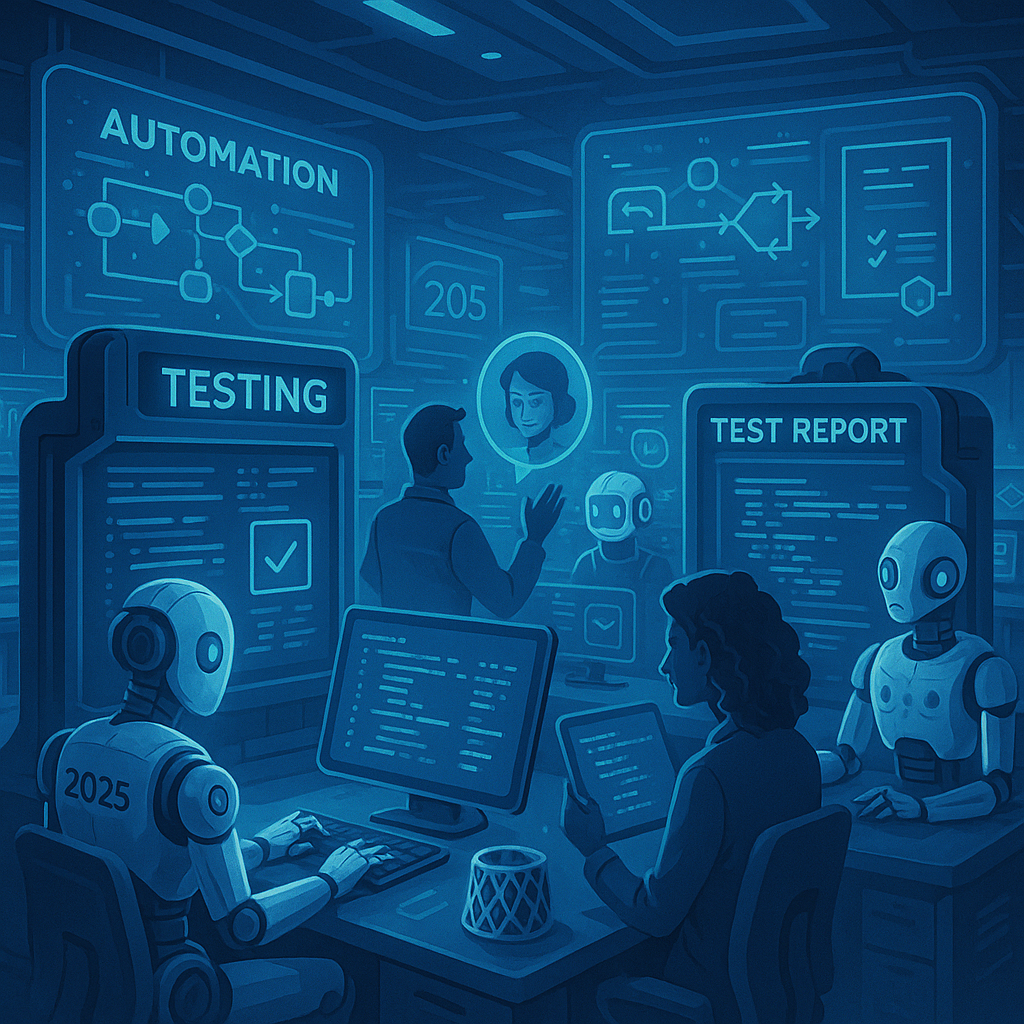
- Automation: Modern tools do not just write code — they also run tests and handle deployment automatically.
Leading industry analysts expect that between 40% and 60% of new code written by 2026 will be generated with AI assistance, reflecting how quickly this shift is happening.
Who Benefits Most From Natural-Language Coding?
| User Type | Key Benefit |
|---|---|
| Beginners and non-technical users | Build apps and mockups without learning to code |
| Professional developers | Save time on boilerplate code, tests, and setup tasks |
| Startups and small businesses | Launch MVPs and internal tools faster and cheaper |
| Cross-functional teams | Designers and marketers can participate in development directly |
Real Advantages and Honest Limitations
Natural-language coding brings clear benefits, but it also comes with limitations that users should understand before relying on it fully.
Key advantages:
- Projects move from idea to working software much faster than before.
- Development costs drop because less manual coding is needed.
- Anyone can participate in building software, regardless of technical background.
- Fewer human typing errors and syntax mistakes appear in the generated code.
- Developers can focus on design, logic, and quality while the AI handles repetitive work.
Honest limitations:
- Code quality may need review: AI-generated code often needs a human developer to check and optimize it before production use.
- Security risks: Code produced without proper review can contain vulnerabilities that are not immediately obvious.
- Debugging challenges for non-coders: When something breaks, users without coding knowledge may struggle to identify and fix the problem.
- Clarity of instructions matters: Vague or poorly worded descriptions lead to inaccurate or incomplete code output.
- Not ideal for large enterprise systems: Complex, large-scale software projects still require experienced engineers to architect and manage.
What the Future of Natural-Language Coding Looks Like
The technology is still developing, and several directions are emerging that could shape how software gets built in the coming years:
- Voice-based programming: Developers and non-coders alike may soon build apps simply by speaking instructions aloud.
- Autonomous AI agents: Tools that write, test, debug, and deploy an entire application without human involvement at each step.
- Industry-specific coding assistants: Specialized tools built for healthcare, finance, retail, and education that understand the unique needs of each sector.
- Faster prototyping: Ideas could be turned into working applications within minutes, dramatically shortening product development cycles.
These developments suggest that natural-language coding will not replace skilled engineers but will change what they spend their time doing — shifting focus from writing routine code to solving harder problems.
Natural-language coding is one of the most significant shifts in how software gets built. It makes development faster, cheaper, and more accessible without eliminating the need for human judgment on quality, security, and complex architecture. Whether you are a first-time builder or an experienced developer, understanding this trend is important for staying relevant in a rapidly changing industry.