
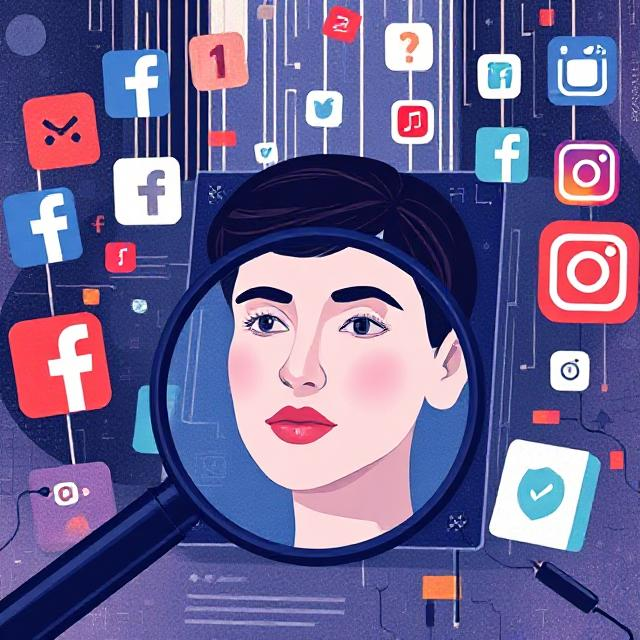
Meta’s Oversight Board has raised serious concerns about how the company handles non-consensual deepfake images, saying its current policies are unclear and fall short of protecting victims. After reviewing two specific cases involving AI-generated explicit images of well-known women, the board has pushed for meaningful policy changes that better reflect the real harm caused by this type of content.
What Triggered the Review?
The Oversight Board — an independent panel Meta established in 2020 to review content decisions on Facebook and Instagram — spent several months examining two cases involving AI-generated explicit images of female public figures. One was an Indian celebrity, the other an American. Meta did not publicly name either woman, referring to them only as “female public figures.”
In one of the cases, an AI-altered image posted on Instagram depicted a naked Indian woman whose face was clearly visible. The image closely resembled a well-known female celebrity. Meta responded by removing the account that posted the image and adding the content to an internal database used to detect and remove similar policy-violating material in the future.
While Meta did take action, the Oversight Board concluded that the platform’s response and the policies guiding it were not strong enough to address the scale and severity of the problem.
What the Oversight Board Found Wrong With Meta’s Policies
The board determined that both images violated Meta’s existing rule against “derogatory sexualized photoshop,” which currently sits under its bullying and harassment guidelines. However, the board pointed out several key problems with how this policy is written and where it is placed:
- The word “derogatory” is too vague. The board recommended replacing it with “non-consensual” to more accurately describe the harm these images cause.
- The term “photoshop” is too narrow. The policy should explicitly cover all forms of media manipulation and AI-based image editing, not just one specific tool or technique.
- Wrong policy category. The board argued that deepfake nude images should be classified under Meta’s “adult sexual exploitation” community standards, not under “bullying and harassment.” This shift would better reflect the serious nature of such content and ensure stronger enforcement.
These distinctions matter. Placing non-consensual explicit deepfakes under sexual exploitation policies signals that the platform treats them as a fundamental violation of a person’s dignity — not merely as a form of online harassment.
Why Deepfake Explicit Content Is a Growing Problem
Deepfake technology has become increasingly accessible over the past few years. Tools that once required significant technical skill can now be used by almost anyone, making it easier to create realistic fake explicit images of real people without their knowledge or consent.
Women and celebrities have been disproportionately targeted. High-profile cases — including AI-generated explicit images of pop star Taylor Swift that spread widely on social media — have brought global attention to the issue. These incidents have put pressure on platforms like Meta, X (formerly Twitter), and others to strengthen their content moderation systems.
The harm caused by non-consensual deepfake images is significant. Victims often experience emotional distress, reputational damage, and a loss of control over their own image and identity. In many cases, the content continues to circulate even after it is removed from one platform.
How Meta’s Current Policy Compares to What the Board Recommends
| Aspect | Current Meta Policy | Board’s Recommendation |
|---|---|---|
| Policy Category | Bullying and Harassment | Adult Sexual Exploitation |
| Key Term Used | Derogatory sexualized photoshop | Non-consensual image manipulation |
| Scope of Coverage | Limited to photoshop-style edits | All AI and media manipulation methods |
Meta’s Response and What Comes Next
Meta has acknowledged the Oversight Board’s recommendations and confirmed it is reviewing them. The company has not yet announced specific changes to its community standards, but its willingness to consider the board’s suggestions is seen as a step in the right direction.
The Oversight Board does not have the power to force Meta to change its policies. However, its recommendations carry significant weight, and Meta has historically acted on many of them. Advocates and digital rights groups will be watching closely to see whether the company follows through with meaningful updates.
As AI tools become more powerful and widely available, platforms will need to continuously update their content policies to keep pace. The Oversight Board’s review of these two cases highlights a broader truth: existing rules written before the rise of generative AI may no longer be adequate to protect people from new forms of digital harm.
For users, especially women and public figures, stronger and clearer policies mean better protection and a greater chance that harmful content will be removed quickly and consistently.