
Software development is moving at a pace that would have seemed impossible just a few years ago. AI-powered coding assistants are now a regular part of how developers write, test, and improve code — and the shift is happening faster than most people expected.
What Are AI Coding Assistants?
AI coding assistants are intelligent software tools that help developers write, review, and optimize code. They are built on machine learning models trained on massive programming datasets, allowing them to understand context and generate accurate code suggestions in real time.
Some of the most widely used tools today include:
- GitHub Copilot — integrated directly into code editors, it suggests entire lines or blocks of code as you type
- ChatGPT — used for explaining code, generating functions, and solving logic problems through natural language
- Amazon CodeWhisperer — designed for cloud-focused development, especially within AWS environments
Instead of writing everything from scratch, developers can describe what they need in plain language and get working code almost instantly.
How These Tools Boost Developer Productivity
Speed is one of the most immediate benefits. Developers no longer need to spend time searching through documentation or browsing Stack Overflow for solutions to common problems. AI tools can generate boilerplate code, suggest bug fixes, and refactor large sections of code within seconds.
The practical benefits include:
- Faster project completion timelines
- Significantly reduced debugging time
- More mental bandwidth for architecture and creative problem-solving
- Fewer repetitive, low-value tasks
Rather than replacing developers, these tools act more like a smart co-pilot — handling the routine work so humans can focus on the bigger picture.
Smarter Debugging and Code Optimization
Debugging has always been one of the most time-consuming parts of software development. AI assistants are changing that by analyzing error messages, identifying root causes, and suggesting step-by-step fixes.
When a function throws an error, a developer can paste the message into an AI tool and receive:
- A clear explanation of what caused the problem
- A step-by-step solution
- An optimized version of the original code
This reduces the constant context switching that slows developers down and makes problem-solving much more efficient.
Impact on Software Teams and Businesses
Companies of all sizes are adopting AI coding assistants to improve their development workflows. Startups are using them to build minimum viable products faster. Larger enterprises are relying on them to manage and maintain complex codebases more efficiently.
| Business Type | Key Benefit |
|---|---|
| Startups | Faster MVP development and reduced hiring costs |
| Enterprises | Efficient codebase maintenance and better documentation |
| Freelancers | Higher output with fewer resources |
Other business-level benefits include lower development costs, faster product releases, improved code consistency, and automated documentation generation. In competitive markets, the ability to ship quality software quickly is a real advantage.
Risks: Code Quality and Security Concerns
AI coding assistants are powerful, but they are not flawless. Developers need to be aware that AI-generated code can sometimes include:
- Inefficient or overly complex logic
- References to outdated libraries or deprecated functions
- Security vulnerabilities that could expose applications to risk
This is why human review remains non-negotiable. AI is a tool that assists — it does not replace the judgment, experience, and accountability of a skilled developer. Security and compliance responsibilities still rest firmly with engineering teams.
The Future of AI in Software Development
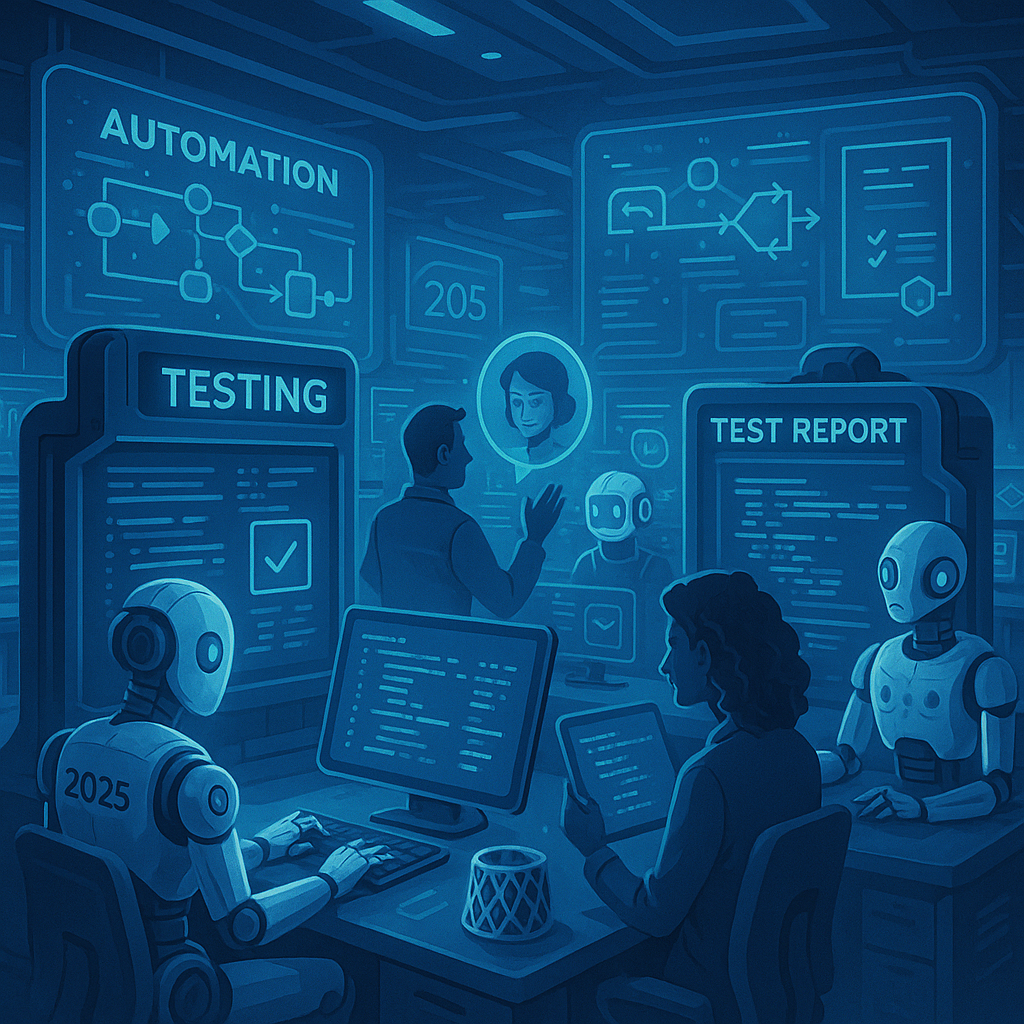
The capabilities of these tools are expanding rapidly. We are already seeing AI that can generate full application scaffolding from simple descriptions, write automated test suites, produce technical documentation, and assist in DevOps workflows.
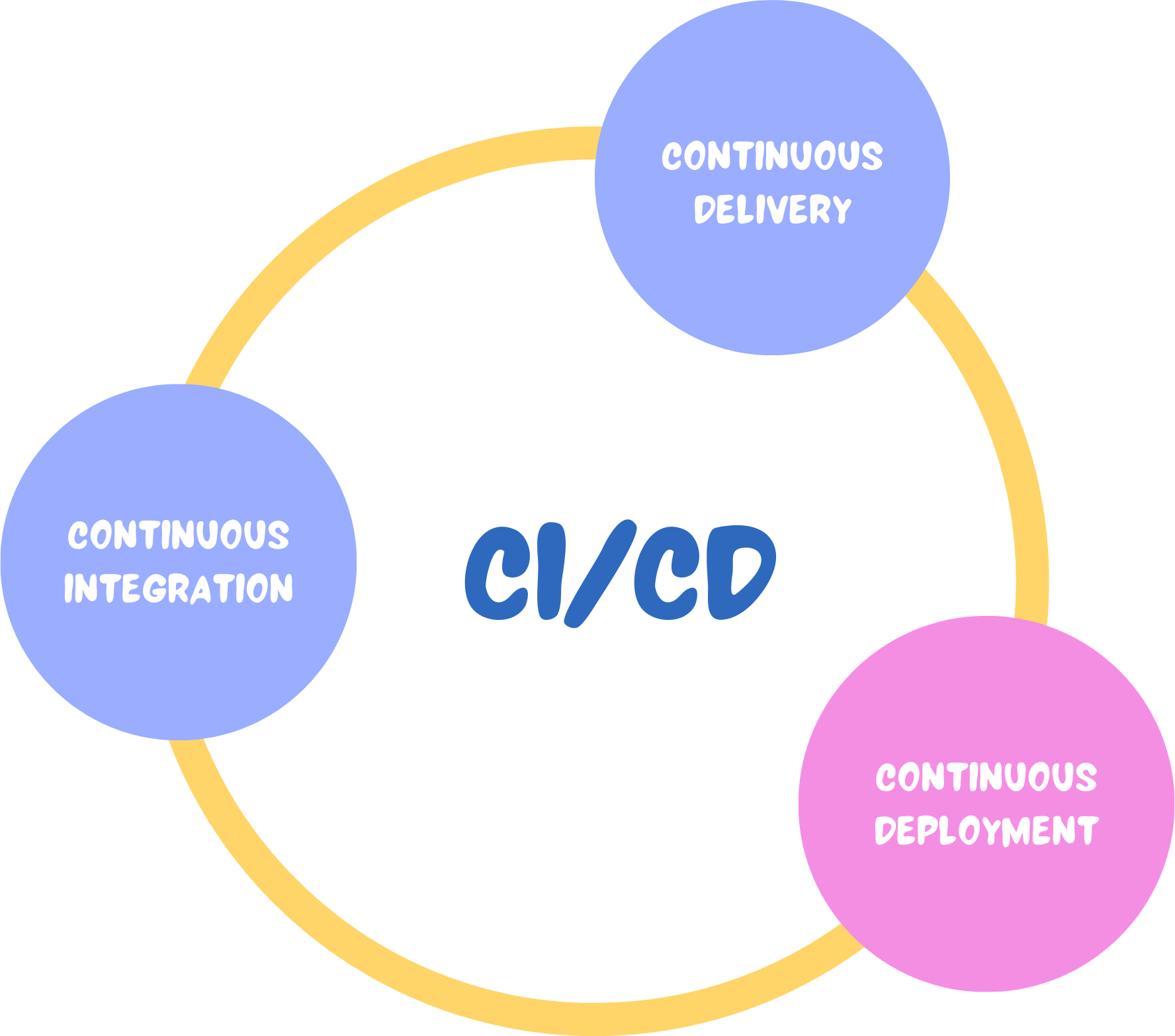
Looking ahead, AI is expected to become deeply embedded in integrated development environments (IDEs), project management platforms, and CI/CD pipelines. Developers may increasingly shift from writing code line by line to defining system goals and letting AI handle much of the implementation work.
Even so, human creativity, product thinking, and business understanding will remain at the core of great software. The best outcomes happen when developers combine their critical thinking with AI-powered assistance — a collaboration model that is already shaping the next generation of software engineering.
AI coding assistants are not a passing trend. They are redefining how software is built, and the teams that learn to work alongside these tools effectively will have a clear edge in the years ahead.