
Artificial intelligence has taken a significant leap forward. We have moved well past simple chatbots and single-response tools. The latest development — generative AI agents — are autonomous systems that can plan, act, and complete complex tasks with little to no human supervision. Powered by advanced models from companies like OpenAI and Anthropic, these agents are beginning to function less like software and more like digital colleagues.
What Are Generative AI Agents?
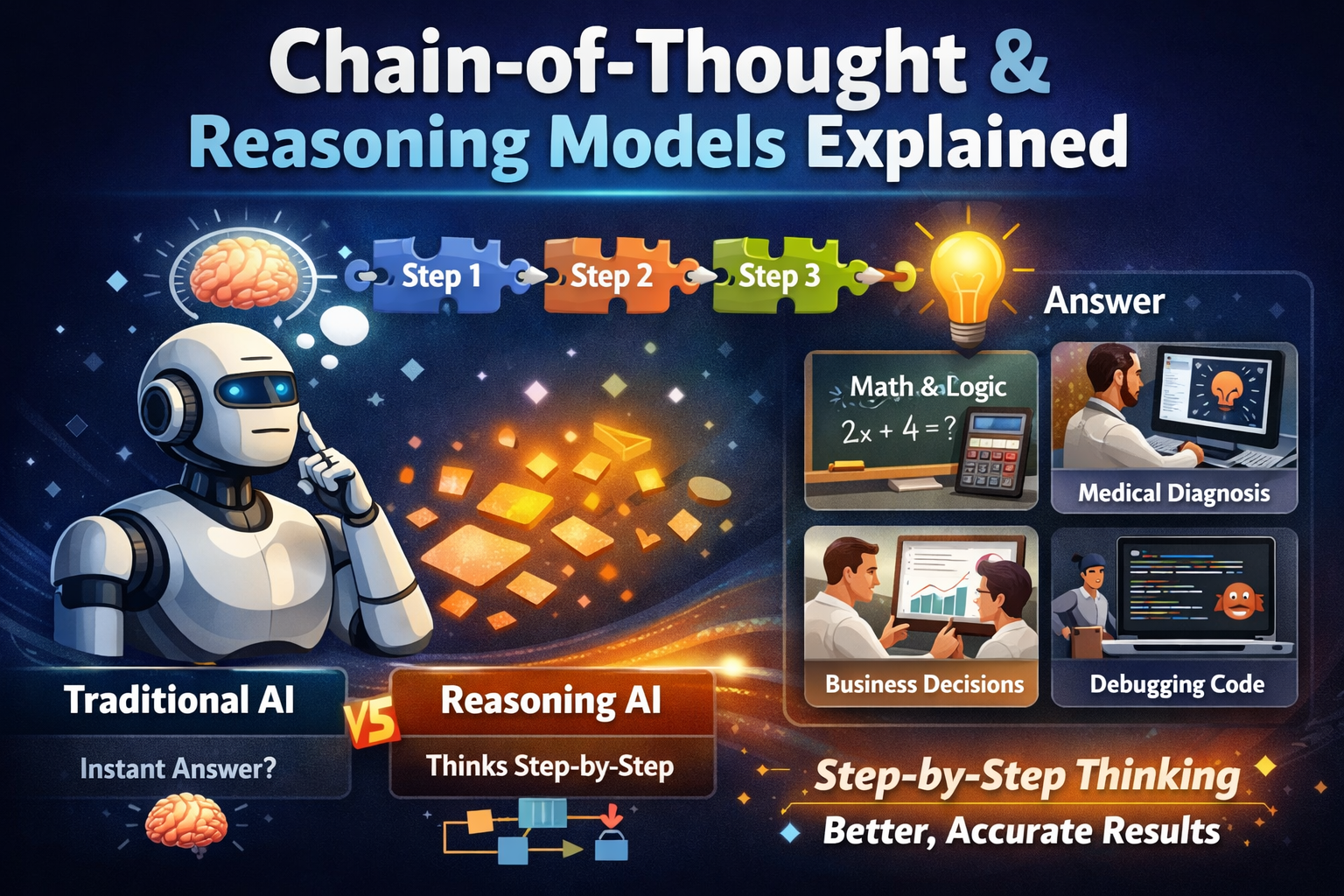
Traditional AI models wait for a question and give an answer. AI agents work differently. Instead of responding to one prompt at a time, they receive an objective and work toward completing it — step by step, tool by tool.
Here is what makes AI agents distinct from standard AI models:
- Goal-driven planning: They break large tasks into smaller, manageable sub-tasks.
- Tool access: They connect to APIs, databases, and external software to gather or act on information.
- Memory: They retain context from earlier interactions to improve future decisions.
- Adaptive execution: They adjust their approach based on feedback or changing conditions.
- Multi-step workflows: They complete entire processes, not just single responses.
In short, you assign a goal — and the agent figures out how to reach it.
How These Agents Actually Work
Generative AI agents typically combine four core components: Large Language Models (LLMs), planning algorithms, tool integration frameworks, and memory systems.
Consider a business analyst agent as an example. Given a single instruction, it could:
- Pull financial data from a connected database
- Clean and organise the raw data
- Run statistical analysis on the figures
- Create visual charts and reports
- Email a summary directly to stakeholders
All of this happens with minimal human involvement. Developer frameworks like LangChain and Microsoft AutoGen are making it faster and easier to build these kinds of agents for real business use.
Real-World Use Cases Across Industries
AI agents are already being tested and deployed across several sectors. Here is a look at where they are making the biggest impact:
| Industry | AI Agent Application |
|---|---|
| Customer Support | Handles full customer interactions — retrieves order history, processes refunds, updates CRM systems |
| Software Development | Writes, debugs, tests, and deploys code with tools like GitHub Copilot as a foundation |
| Financial Services | Monitors markets, generates forecasts, prepares compliance documents around the clock |
| Research and Science | Scans academic papers, summarises findings, and suggests new research directions |
Financial firms are already experimenting with digital analysts that operate 24 hours a day, 7 days a week — something no human team can match at the same cost.
Engineering Challenges and Safety Concerns
Despite their potential, AI agents come with real limitations that engineers and organisations must take seriously.
Key challenges include:
- Hallucination risks: Agents can generate confident but incorrect outputs, which becomes dangerous in autonomous workflows.
- Tool misuse: Incorrectly using an API or executing the wrong command can cause serious errors.
- Security vulnerabilities: Agents with access to sensitive systems can become targets for exploitation.
- Limited long-term reasoning: Current models still struggle with very complex, multi-day planning tasks.
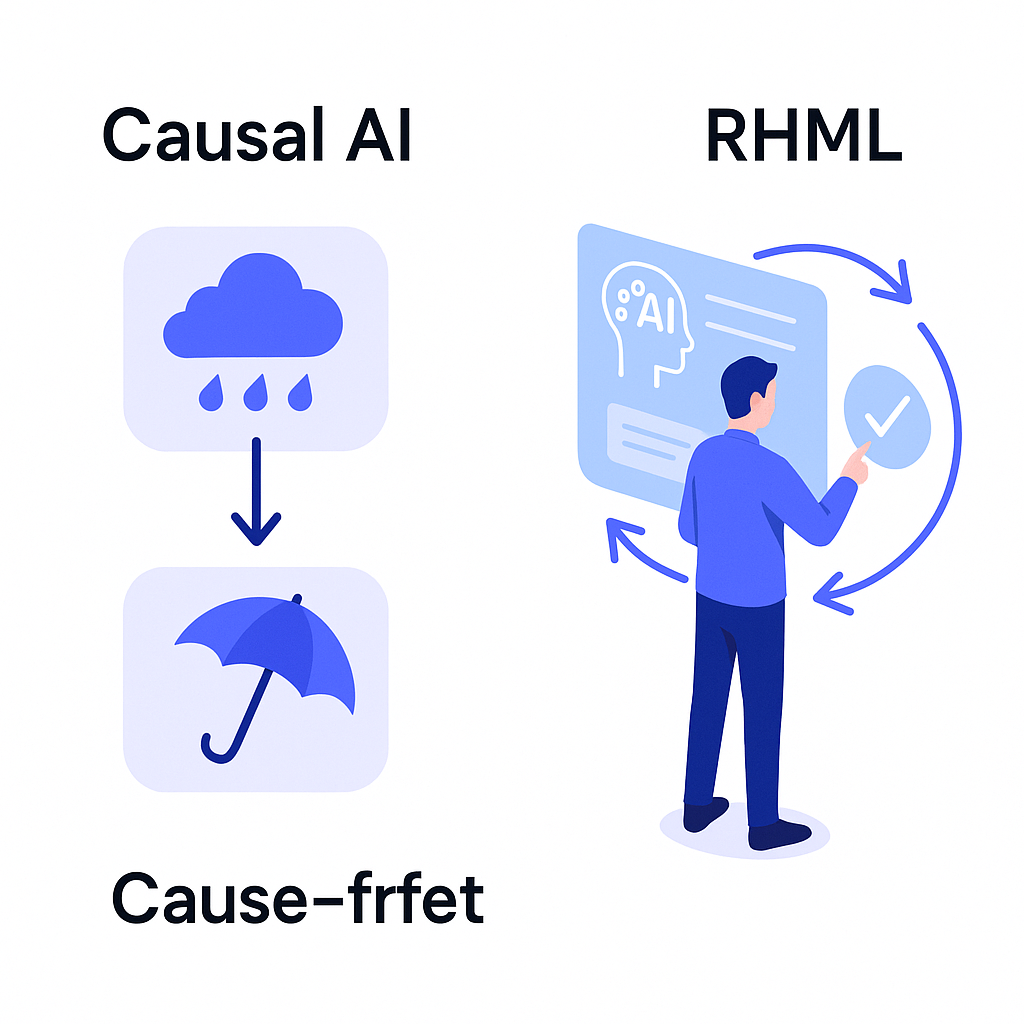
To manage these risks, developers are building in guardrails, verification layers, and human-in-the-loop checkpoints — where a human reviews or approves key decisions before the agent proceeds. Researchers are actively working on safer and more aligned autonomous AI architectures to address these gaps.
Ethical Questions and the Future of Work
The rise of autonomous AI agents raises questions that go beyond engineering. As these systems take on knowledge-based tasks, several important concerns come to the surface:
- Will AI agents replace certain white-collar or knowledge jobs?
- How do organisations ensure transparency when automated systems make decisions?
- Who is held accountable when an autonomous agent makes a costly mistake?
Governments and industry bodies are actively developing AI governance frameworks to address these issues. Most experts do not predict a full replacement of human workers. Instead, they foresee hybrid collaboration models — where humans act as strategic supervisors, overseeing AI agents that handle execution.
The next decade could see AI agents embedded across enterprise operations, healthcare systems, legal services, supply chain management, and scientific discovery. The shift from AI as a tool to AI as a teammate is already underway.
As engineering challenges are resolved and governance frameworks mature, generative AI agents are on track to become foundational digital workers in the global economy. The era of autonomous intelligence is not coming — it has already started.