If you have ever sent ETH, used a decentralized app, or interacted with a smart contract, you have paid a gas fee. These charges are a core part of how Ethereum and many other blockchain networks operate. Understanding what drives gas fees — and how to manage them — can save you real money and frustration.
What Are Gas Fees and Why Do They Exist?
Gas fees are the charges users pay to compensate validators (or miners) for the computing power required to process transactions on a blockchain. On Ethereum, every action — from sending ETH to executing a complex smart contract — requires a certain amount of computational work.
This work is measured in units called gas. Each unit of gas has a price, expressed in gwei, which is a small fraction of one ETH. The total fee you pay equals the gas used multiplied by the gas price you set. When you offer a higher gas price, validators prioritize your transaction, processing it faster.
Key Factors That Drive Gas Fees Up or Down
Gas fees are not fixed. Several factors influence how much you pay at any given moment:
- Network demand: When Ethereum is busy — during popular NFT launches, token sales, or DeFi events — more users compete for limited block space. This competition pushes fees higher.
- Transaction complexity: A simple ETH transfer requires far less gas than executing a multi-step smart contract. The more calculations involved, the higher the fee.
- Ethereum’s move to Proof-of-Stake (PoS): Ethereum’s transition from Proof-of-Work (PoW) to Proof-of-Stake (PoS) improved transaction efficiency. However, during peak demand periods, fees can still rise sharply as users compete for block space.
- Gas limit settings: Users can set a gas limit — the maximum gas they are willing to spend. Setting it too low risks a failed transaction; setting it too high wastes money.
How EIP-1559 Changed the Way Ethereum Handles Gas Fees
In 2021, Ethereum introduced EIP-1559 as part of the London upgrade. This update fundamentally changed how gas fees work on the network.
Before EIP-1559, users had to guess the right fee to offer miners. The update replaced this with a two-part fee structure:
- Base fee: A network-determined fee that adjusts automatically based on how busy the network is. This fee is permanently removed from circulation — a process called burning — which reduces the total ETH supply over time.
- Priority fee (tip): An optional extra amount users can add to incentivize validators to process their transaction faster.
EIP-1559 made gas fee estimation more predictable and introduced a deflationary mechanism for ETH. However, it did not eliminate high fees during congested periods.
Layer 2 Solutions: A Practical Way to Cut Gas Costs
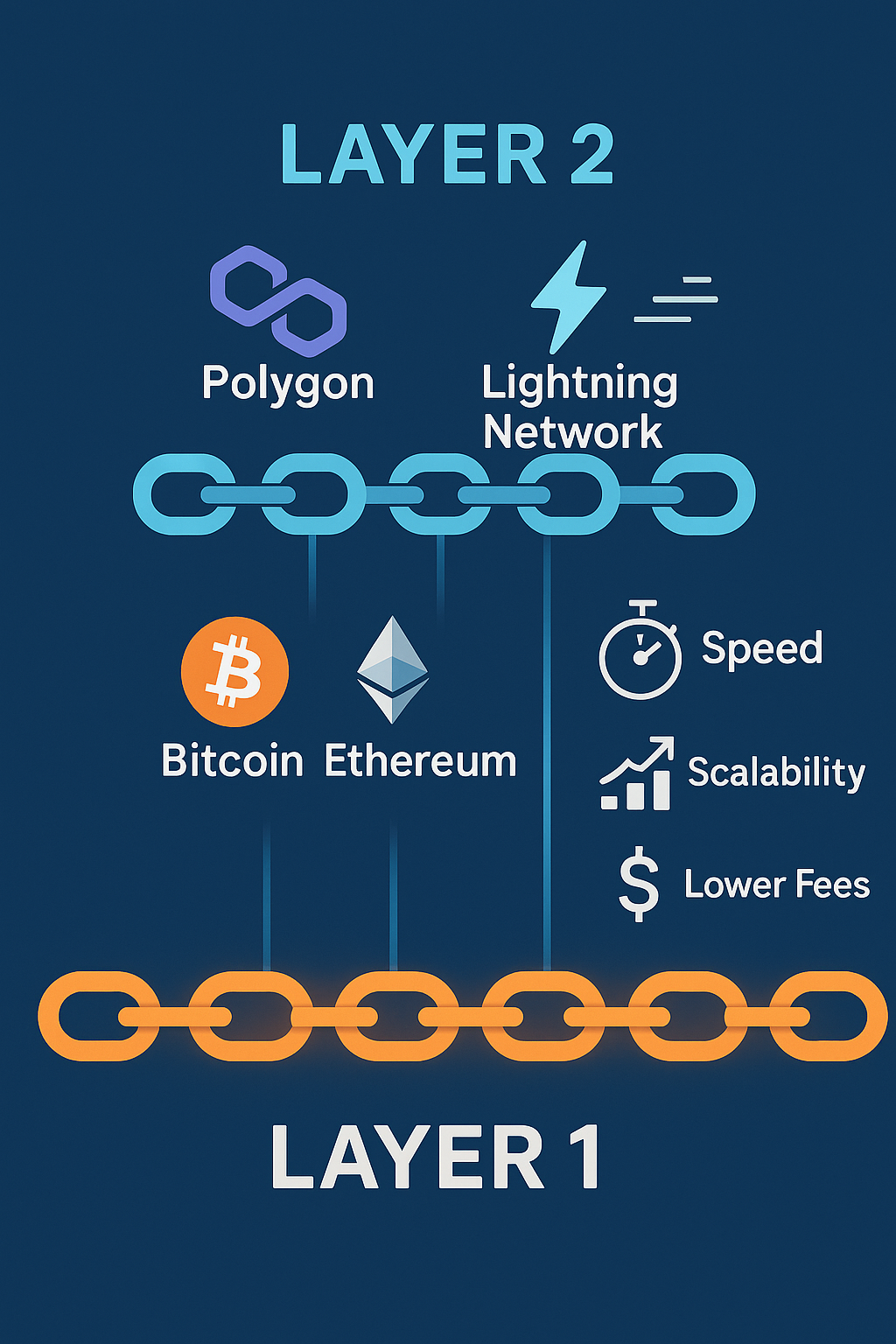
One of the most effective ways to reduce gas fees is to use Layer 2 solutions. These are secondary networks built on top of Ethereum that handle transactions off the main chain, then batch and settle them on Ethereum in bulk.
This approach dramatically reduces the cost per transaction for users. Popular Layer 2 solutions include:
- Arbitrum: A widely used Layer 2 network that processes transactions at a fraction of Ethereum mainnet costs.
- Optimism: Another leading Layer 2 platform known for lower fees and fast transaction finality.
- zk-Rollups: A cryptographic approach that bundles hundreds of transactions into a single proof, offering high efficiency and security.
- Polygon (MATIC): Often described as a Layer 2 solution, Polygon offers very low fees and has become a popular choice for DeFi and NFT applications.
How Gas Fees Compare Across Major Blockchains
Ethereum is not the only blockchain with transaction fees. Here is how some major networks compare:
| Blockchain | Fee Level | Key Characteristic |
|---|---|---|
| Ethereum | High (variable) | Most decentralized, widely used |
| Binance Smart Chain (BSC) | Low | Higher capacity, more centralized |
| Solana | Very Low | Fast processing, unique consensus |
| Polygon (MATIC) | Very Low | Ethereum-compatible Layer 2 |
Practical Tips to Manage and Reduce Your Gas Fees
You do not have to overpay on gas fees. Here are some straightforward strategies:
- Time your transactions wisely: Gas prices tend to be lower during off-peak hours — typically late nights or weekends in Western time zones. Tools like Etherscan’s Gas Tracker and Gas Now show real-time fee estimates to help you pick the right moment.
- Use Layer 2 networks: Platforms like Arbitrum and Optimism can reduce your transaction costs significantly compared to Ethereum mainnet, especially for frequent DeFi interactions.
- Adjust your gas limit and price manually: Most wallets allow you to customize these settings. If your transaction is not urgent, setting a lower gas price can save money — just avoid setting it so low that your transaction stalls or fails.
- Batch transactions where possible: Some DApps and wallets allow you to combine multiple actions into a single transaction, reducing the total gas spent.
- Explore alternative blockchains: For certain use cases, networks like Solana or Binance Smart Chain may offer a more cost-effective option, depending on your priorities around decentralization and security.
Gas fees are an unavoidable part of using blockchain networks, but they are far from unmanageable. By understanding what drives costs and using the right tools and networks, users can make smarter decisions and keep their transaction expenses under control. As Ethereum continues to evolve with Layer 2 adoption and protocol upgrades, the overall cost of using the network is expected to become more accessible over time.