
Enterprise digital transformation has moved from being a buzzword to a business necessity. Companies across industries are adopting advanced software, cloud platforms, and data-driven tools to stay competitive, serve customers better, and build a future-ready workforce. Here is a detailed look at how digital transformation is changing the way enterprises operate and grow.
Faster Innovation and Business Flexibility
Modern enterprises need to move fast. Companies using cloud platforms, modular software, and AI-powered tools can test new ideas and launch products in a fraction of the time it once took. This speed gives businesses the flexibility to respond to market changes quickly and meet customer expectations before competitors do.
Business agility is no longer optional. Enterprises that can adapt their processes and offerings rapidly are the ones that retain customers and attract new ones in a crowded marketplace.
Automation Drives Efficiency and Reduces Costs
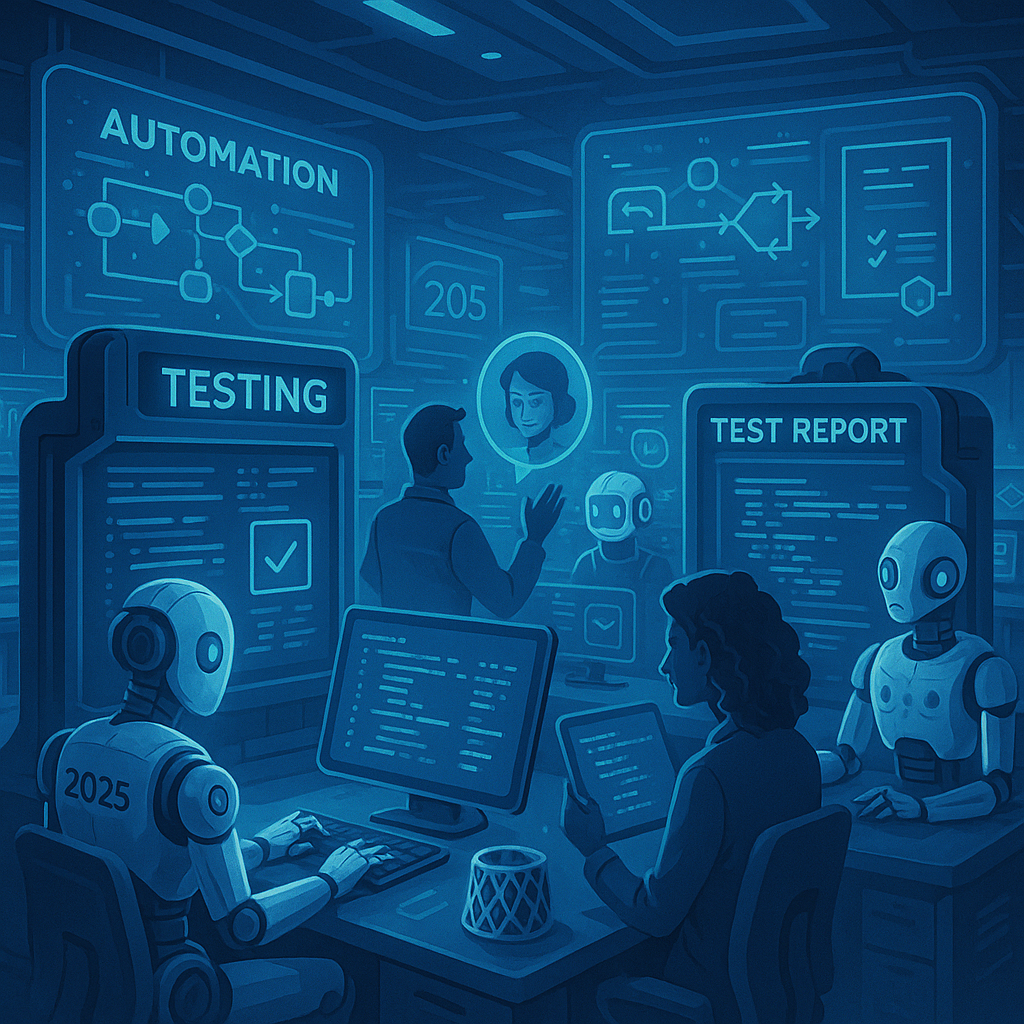
One of the most direct benefits of digital transformation is automation. Routine tasks across departments like finance, HR, IT, and operations can now be handled by software, freeing up employees to focus on higher-value work.
- Finance: Automated invoicing, expense tracking, and reporting reduce manual errors.
- HR: Recruitment, onboarding, and payroll processes become faster and more accurate.
- IT: Automated monitoring and incident response reduce downtime.
- Operations: Supply chain and inventory management improve with real-time data.
The result is lower operational costs, fewer human errors, and a workforce that spends time on work that actually drives growth.
Data-Driven Decisions and Smarter Customer Experiences
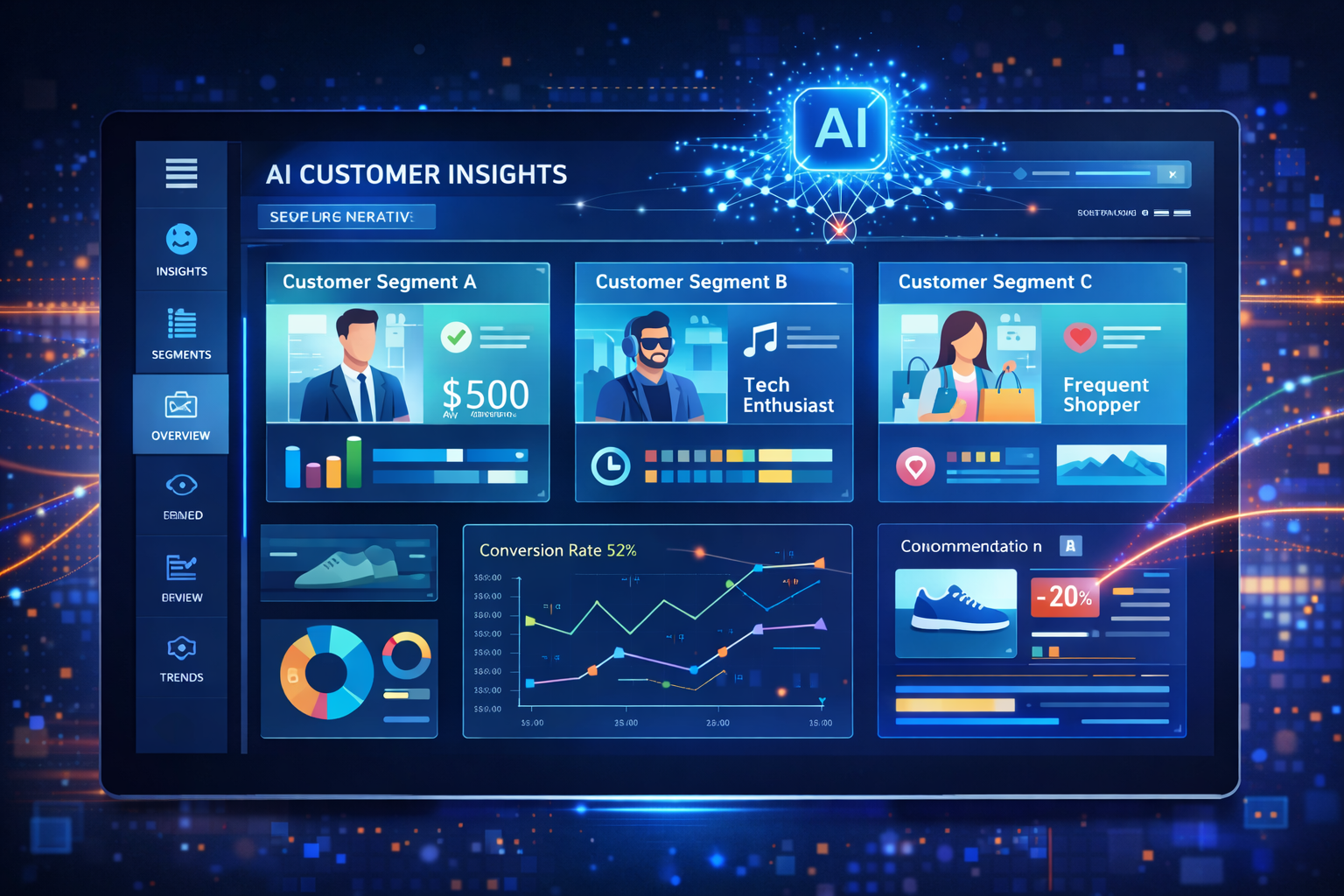
Enterprise software collects data from multiple sources across the business. Analytics tools and AI help leaders identify patterns, track performance metrics, and forecast trends with accuracy. This means decisions are based on real evidence rather than assumptions.
At the same time, digital transformation directly improves how businesses interact with customers. Tools like CRM systems, chatbots, and customer data platforms help enterprises understand buying behaviour, personalise communication, and engage customers across multiple channels. The outcome is higher customer satisfaction and stronger long-term loyalty.
| Business Area | Digital Tool Used | Key Benefit |
|---|---|---|
| Customer Service | CRM, Chatbots | Personalised engagement |
| Finance | Automation Software | Cost reduction, accuracy |
| Strategy | Analytics and AI | Smarter decision-making |
| Infrastructure | Cloud Platforms | Scalability and cost control |
| Security | Encryption, Access Control | Data protection, compliance |
Scalability, Security, and Compliance Made Simpler
Cloud-based software gives enterprises the ability to scale resources up or down based on demand. The pay-as-you-go model means businesses only pay for what they use, making it easier to manage budgets while supporting growth into new markets, remote teams, or rapid expansion phases without heavy infrastructure investment.
Security is another area where digital transformation delivers clear value. Modern enterprise software comes with built-in features such as data encryption, access controls, and real-time threat detection. These tools help companies protect sensitive information and stay compliant with industry regulations, which is increasingly important as data privacy standards tighten globally.
Workforce Transformation and Long-Term Competitive Advantage
Digital transformation does not just change systems — it changes people and culture. AI-powered applications, collaboration platforms, and low-code tools allow employees to complete work faster and with greater accuracy. Workers gain new skills, adapt to modern workflows, and contribute to a more agile organisation.
Enterprises that commit to digital transformation build a sustainable competitive edge. They operate faster, respond to customers more effectively, and adapt to future technology changes with less disruption. Companies that delay this shift risk falling behind in a business environment where digital capability is increasingly the baseline expectation, not a differentiator.
In short, enterprise digital transformation is not a one-time project. It is an ongoing commitment to using technology, data, and modern processes to build a business that is efficient, customer-focused, and ready for whatever comes next.