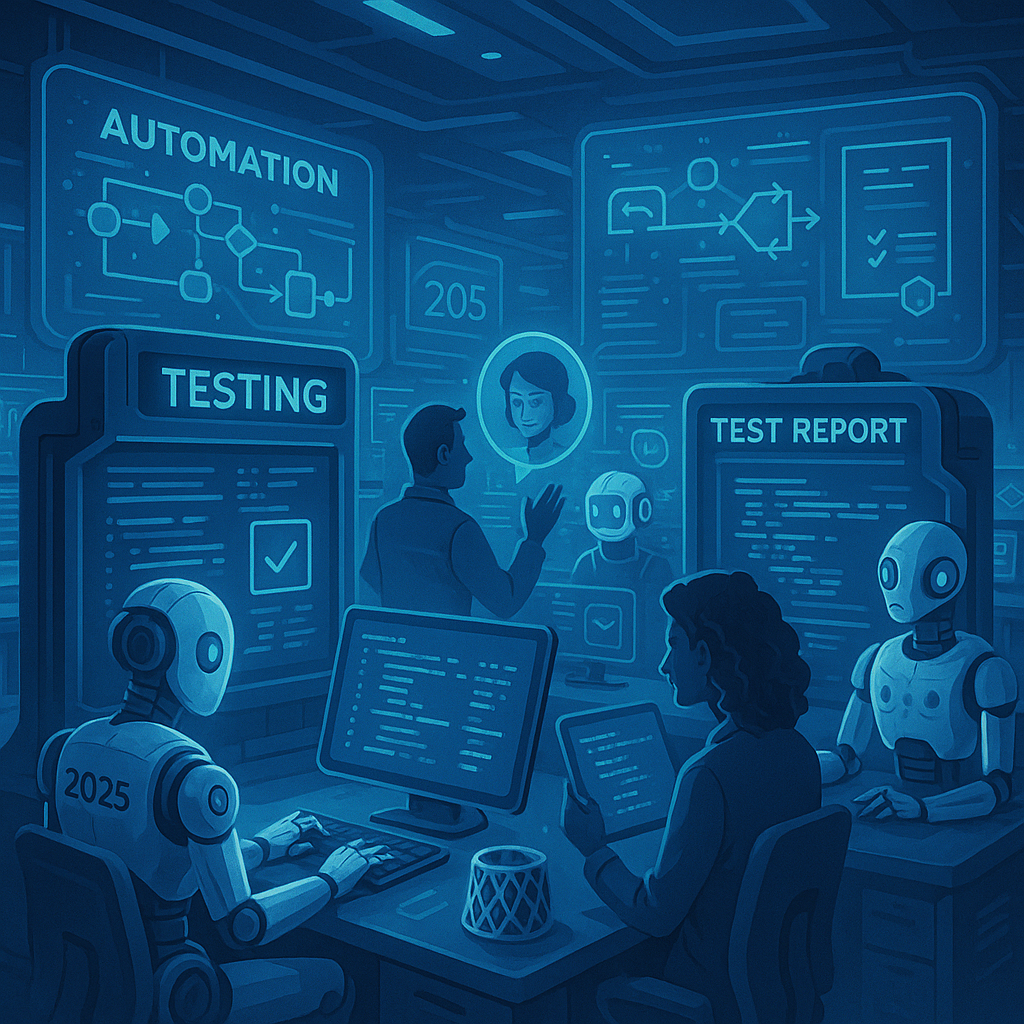

Every time you use an app or a smart device, data travels to distant cloud servers and back. This round trip can be slow, costly, and sometimes risky. Edge computing software changes that by processing data right where it is created — on the device itself or nearby. The result is faster responses, lower costs, and stronger privacy. Here is everything you need to know about edge computing software and why it matters.
What Is Edge Computing Software?
In a traditional setup, data from your phone, factory machine, or smart car travels all the way to cloud servers run by companies like Amazon, Google, or Microsoft. The server processes the data and sends back a response. This works fine for many tasks, but it creates problems when speed and reliability are critical.
Edge computing software solves this by moving the processing closer to the data source — whether that is a smartphone, a hospital wearable, or an industrial robot. Instead of waiting for a distant server, the device handles the task locally or at a nearby edge node.
This approach makes applications and devices:
- Faster — decisions happen in milliseconds, not seconds
- More reliable — they work even when internet connectivity is weak
- More private — sensitive data does not need to leave the device
- More cost-efficient — less data is sent to the cloud, reducing bandwidth costs
Why Edge Computing Matters: Key Benefits
The shift from centralised cloud processing to edge computing is driven by real, practical needs across industries. Here are the most important advantages:
- Low Latency: Self-driving cars and medical devices cannot afford delays. Edge computing enables split-second decisions that cloud servers simply cannot match.
- Cost Savings: Sending every piece of data to the cloud is expensive. Processing it locally reduces the volume of data transferred, cutting costs significantly.
- Offline Capability: Edge devices continue to function even without a strong or stable internet connection, making them ideal for remote locations.
- Data Privacy: Personal or sensitive information stays on the device rather than travelling across networks, reducing the risk of data breaches.
- Scalability: As the number of connected devices grows, edge computing distributes the processing load instead of overwhelming central servers.
Popular Edge Computing Software Platforms
Several major technology companies have built powerful edge computing tools. Here is a quick comparison of the leading platforms:
| Platform | Provider | Key Use |
|---|---|---|
| AWS IoT Greengrass | Amazon | Runs Amazon cloud features locally on IoT devices |
| Microsoft Azure IoT Edge | Microsoft | Deploys cloud intelligence directly on edge devices |
| Google Distributed Cloud Edge | Manages edge workloads for enterprises | |
| NVIDIA Edge AI | NVIDIA | Powers real-time AI for robots, vehicles, and hospitals |
Where Is Edge Computing Being Used Today?
Edge computing is no longer a future concept — it is already active across multiple sectors:
- Smart Cities: Traffic management systems that adjust signals in real time based on live vehicle data, reducing congestion without human intervention.
- Healthcare: Wearable devices that monitor patient vitals continuously and alert doctors instantly if something goes wrong, without relying on a distant server.
- Retail: Smart checkout systems that identify products and process payments without long queues or manual scanning.
- Manufacturing: Factory machines equipped with sensors that detect faults early and trigger maintenance alerts before a breakdown occurs.
- Autonomous Vehicles: Self-driving cars that process road conditions, obstacles, and navigation data locally to make safe decisions in real time.
What the Future Holds for Edge Computing Software
The growth of edge computing is closely tied to broader technology trends. As 5G networks expand across India and the world, edge computing will become significantly faster and more capable. Here is what to expect in the coming years:
- More applications will combine on-device processing with cloud backup, giving businesses the best of both worlds.
- Industries like robotics, virtual reality, and defence will increasingly depend on edge computing for real-time performance.
- Hybrid architectures — where cloud and edge systems work together — will become the standard for large enterprises.
- As smart devices multiply, edge computing will be essential to manage the massive volume of data they generate without overloading central infrastructure.
Edge computing software is reshaping how technology works at its most fundamental level. By bringing data processing closer to the source, it makes devices faster, more reliable, and more secure. Whether it is a hospital monitor, a factory robot, or a self-driving car, edge computing is the backbone that makes real-time intelligence possible. As 5G expands and connected devices multiply, its role across every industry will only grow stronger.