
Cyberattacks are no longer limited to targeting finished applications. Hackers now go after the tools, libraries, and services used to build software — a threat known as a software supply chain attack. To stay ahead, companies are turning to DevSecOps and supply chain security as their primary line of defence.
What Is DevSecOps and Why Does It Matter?
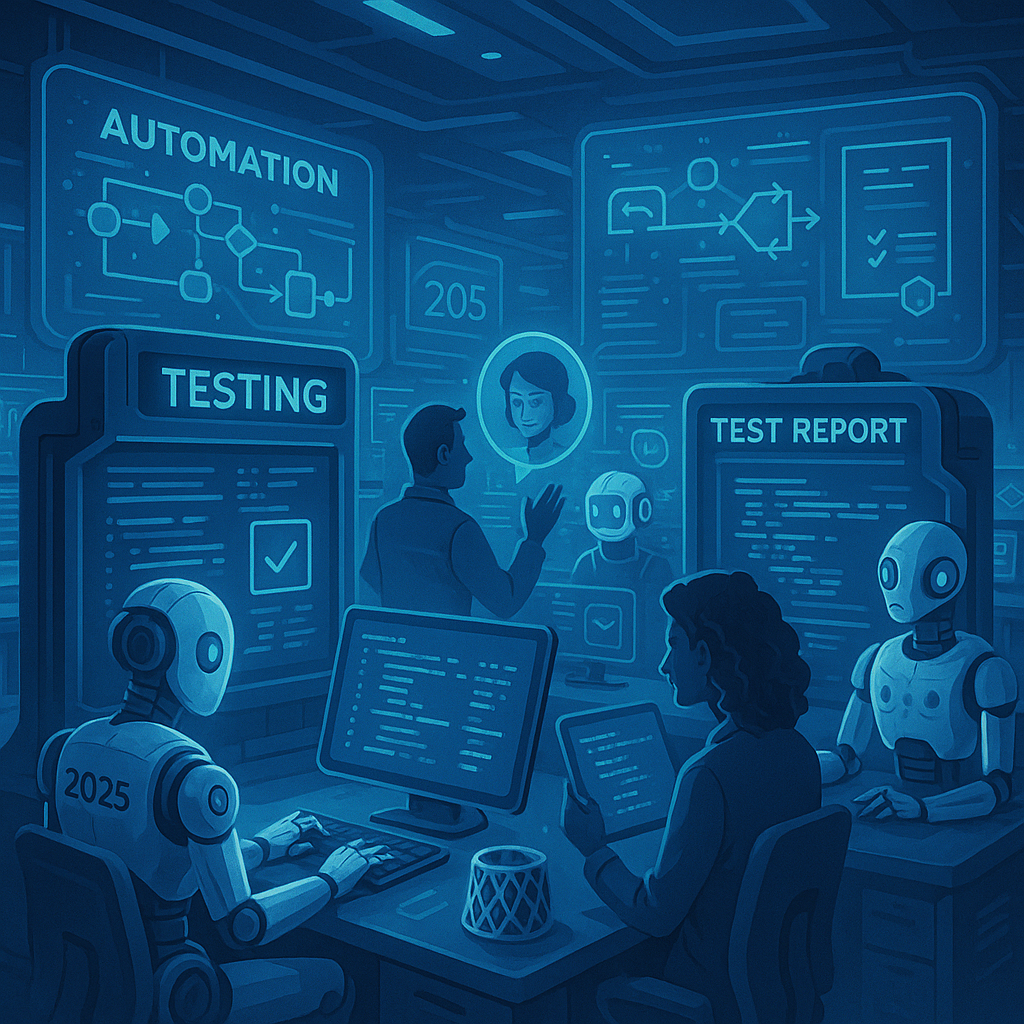
DevSecOps stands for Development + Security + Operations. It is an approach to software development where security is built into every stage of the process — not added as an afterthought at the end.
In traditional development, security checks often happened only after the software was ready to ship. This meant vulnerabilities could go undetected for months. DevSecOps changes that by making security a shared responsibility across developers, security teams, and operations staff from day one.
- Developers check for security issues throughout the coding process.
- Automated tools scan for vulnerabilities at every stage.
- Security is part of testing, deployment, and monitoring — not separate from it.
Think of it like building a house. You do not wait until the structure is complete to check if the wiring is safe. You inspect safety at every step — from laying the foundation to installing the roof.
Understanding Software Supply Chain Security
A software supply chain includes every component that goes into building an application. This covers:
- Source code written by developers
- Open-source libraries and frameworks
- APIs and third-party tools
- Cloud services and hosting servers
If an attacker compromises any one of these components, the entire application is at risk. The SolarWinds attack is one of the most well-known examples of this. In that incident, attackers inserted malicious code into a widely used software update, affecting thousands of organisations worldwide — including government agencies.
Supply chain security means protecting every link in this chain, not just the final product.
How DevSecOps and Supply Chain Security Work Together
Both approaches share a single goal: stopping attacks before they cause damage. When combined, they create a strong, layered defence for software development teams.
| Practice | What It Does |
|---|---|
| Catch Problems Early | Security checks happen during coding, not after release. |
| Protect Dependencies | Open-source and third-party tools are scanned for known risks. |
| Continuous Monitoring | Apps are watched for threats even after they go live. |
| Stay Compliant | Helps meet regulations like GDPR and HIPAA automatically. |
Practical Steps Companies Can Take Right Now
Implementing DevSecOps and supply chain security does not require a complete overhaul overnight. Businesses can start with these proven steps:
- Use SBOMs (Software Bill of Materials): A detailed list of every component inside your software, so you always know what you are running.
- Automated Security Testing: Tools that continuously scan code for errors, misconfigurations, and known vulnerabilities.
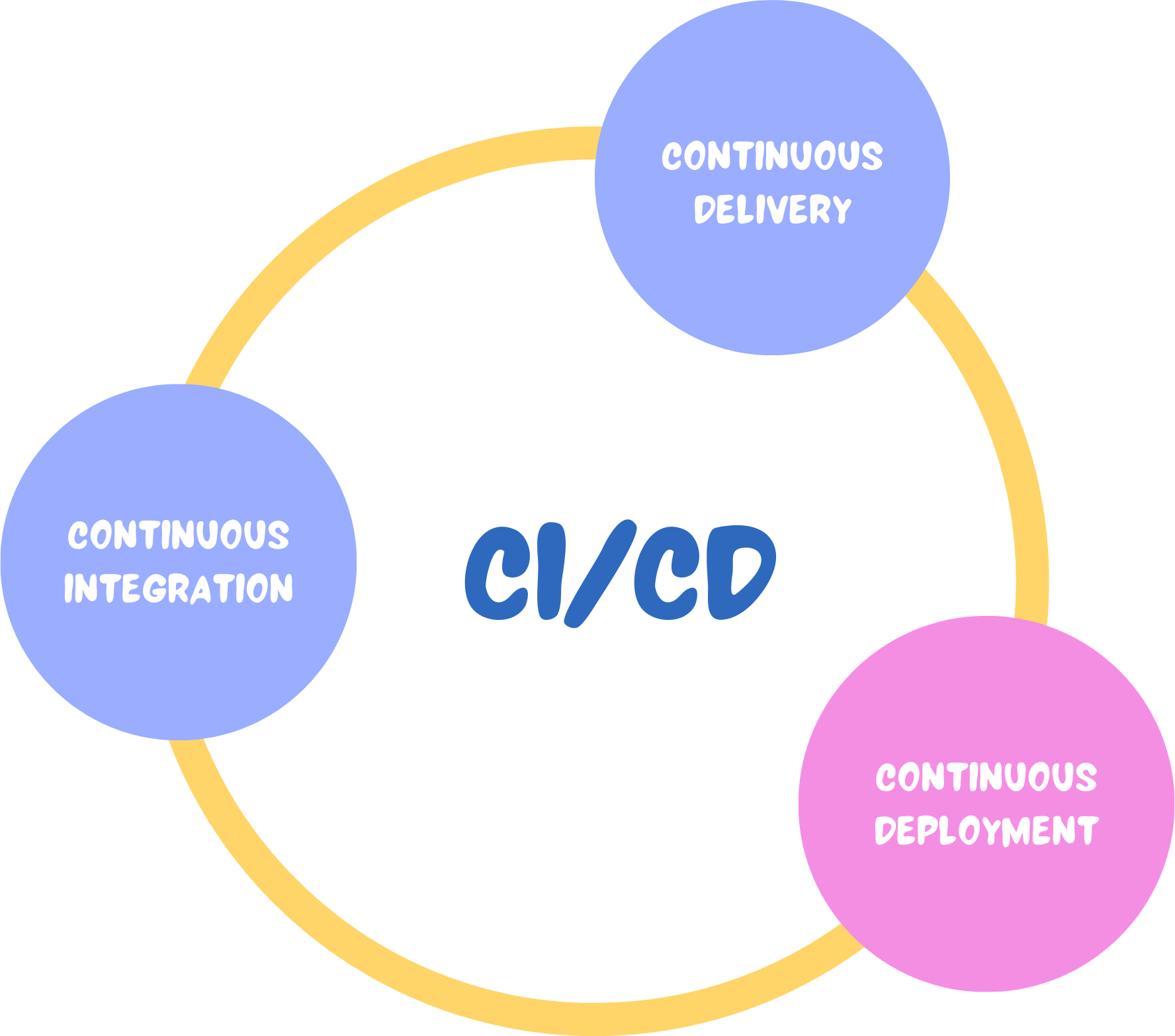
- Secure CI/CD Pipelines: Protect the build and deployment systems that move code from development to production.
- Zero-Trust Security Model: Verify every system and user access request — never assume anything is safe by default.
- Regular Updates and Patching: Keep all tools, libraries, and servers updated to close known security gaps.
Key Benefits of Combining DevSecOps With Supply Chain Security
Organisations that adopt this integrated approach gain several clear advantages:
- Lower risk of data breaches and costly cyberattacks.
- Stronger customer trust — users feel safer using applications that are built with security in mind.
- Faster software releases because security issues are caught early, reducing last-minute delays.
- Easier compliance with global data protection and industry regulations.
- Better team collaboration between developers, security professionals, and operations staff.
As cyber threats grow more sophisticated, businesses that treat security as a core part of software development — rather than a separate task — will be far better positioned to protect their users, their data, and their reputation. Combining DevSecOps with a strong software supply chain security strategy is not just good practice. In 2025 and beyond, it is essential.