
Businesses today face unique operational challenges that generic, off-the-shelf software often cannot fully address. Custom software development offers a targeted solution — building tools designed specifically around how a business works, what it needs, and where it wants to go. Whether you run a startup or an established enterprise, understanding custom software can help you make smarter technology decisions.
What Is Custom Software Development?
Custom software development is the process of designing, building, and deploying software tailored to the specific needs of a business or individual. Unlike packaged software sold to a mass market, custom software is built from the ground up to solve particular problems, support specific workflows, or achieve defined business goals.
This approach ensures the software fits naturally into existing operations rather than forcing a business to adapt its processes to suit a generic product. Companies across industries — from healthcare and finance to retail and logistics — rely on custom software to stay efficient and competitive.
Why Businesses Choose Custom Software Over Off-the-Shelf Solutions
There are several strong reasons why businesses invest in custom software development instead of purchasing ready-made products:
- Fits your exact needs: Custom software is built around your specific workflows, whether that involves inventory management, customer relationship tracking, or internal process automation. Off-the-shelf products often include features you don’t need while missing the ones you do.
- Scales with your business: As your company grows, custom software can grow with it. New modules, additional users, and higher data volumes can be accommodated without performance issues or costly platform migrations.
- Improves productivity: By automating repetitive tasks and optimising processes, custom software reduces manual errors, saves time, and helps teams work more efficiently across departments.
- Provides a competitive edge: Features built specifically for your business model can differentiate you from competitors who rely on the same generic tools. Unique functionality can improve customer experiences and strengthen your market position.
- Stronger security: Custom software can be designed with security measures tailored to your data and compliance requirements, reducing vulnerabilities that are more common in widely distributed commercial software.
The Custom Software Development Process: Step by Step
Building custom software follows a structured process to ensure the final product meets business expectations and performs reliably. Here is how the typical development lifecycle unfolds:
- Requirements gathering: The development team works closely with stakeholders to understand business goals, pain points, and desired functionality. This stage sets the foundation for everything that follows.
- Design: Developers and designers map out the software’s architecture, user interface, and user experience. A well-designed interface ensures employees can adopt and use the software without friction.
- Development: Programmers write the actual code using appropriate languages and frameworks, translating the approved design and requirements into a working product.
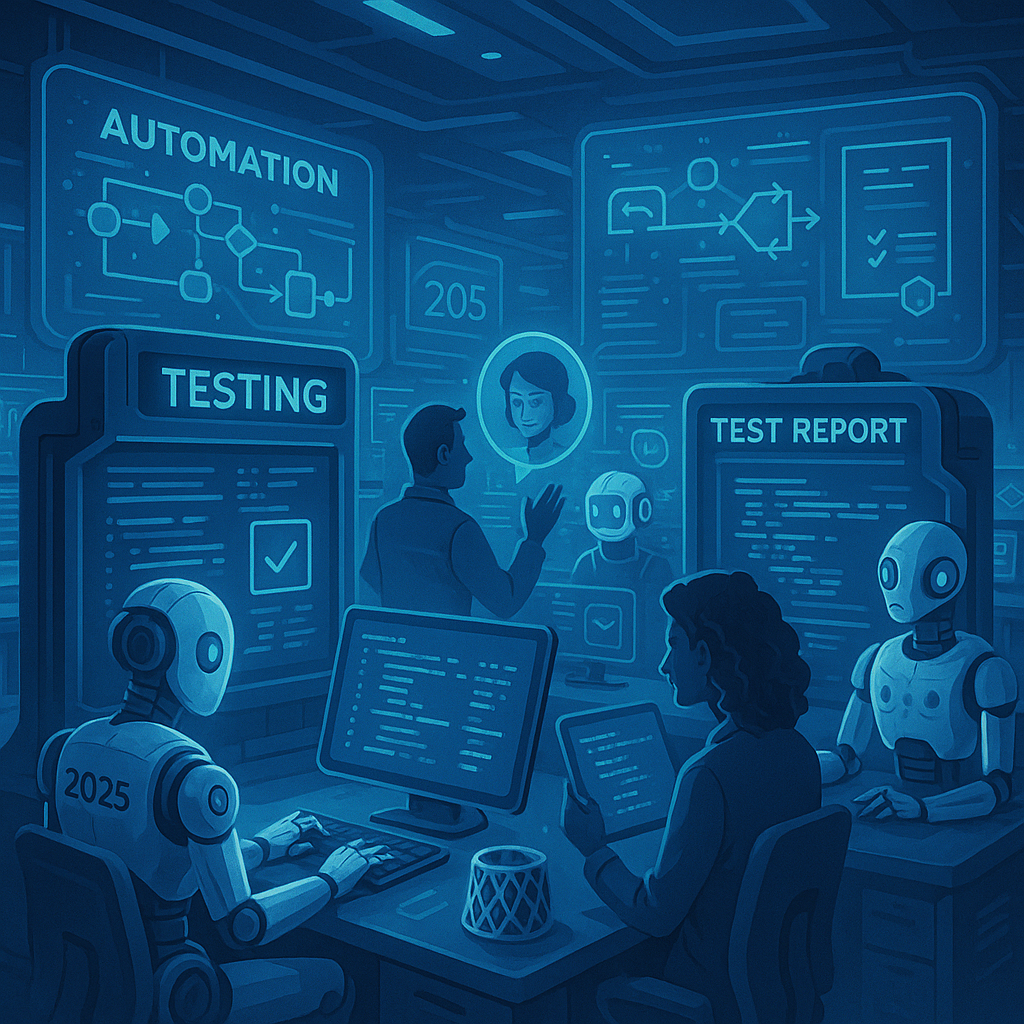
- Testing: Before release, the software undergoes thorough testing to identify and fix bugs, verify functionality, and confirm it meets quality standards.
- Launch and deployment: The software is installed within the company’s infrastructure. The development team typically assists with integration into existing systems and provides staff training.
- Maintenance and updates: Post-launch support keeps the software running smoothly. Regular updates address bugs, introduce new features, and ensure the software stays aligned with evolving business needs.
Custom Software vs. Off-the-Shelf Software: A Quick Comparison
| Feature | Custom Software | Off-the-Shelf Software |
|---|---|---|
| Fit for business needs | Fully tailored | Partial fit |
| Scalability | High | Limited |
| Upfront cost | Higher | Lower |
| Long-term value | Strong ROI over time | Recurring licensing fees |
| Security | Purpose-built protection | Generic security |
| Ownership | Full ownership | Vendor-dependent |
Is Custom Software Development Worth the Investment?
Custom software development is a long-term investment. The upfront cost is typically higher than purchasing a ready-made product, but businesses only pay for the features they actually need. Over time, the software adapts to changing requirements, reducing the need for expensive replacements or workarounds.
For businesses with complex processes, high data volumes, or specific compliance requirements, custom software often delivers a stronger return on investment than generic alternatives. It also gives companies full ownership and control over their technology, rather than depending on a third-party vendor’s roadmap or pricing decisions.
Choosing the right custom software development company is equally important. Look for a team with relevant industry experience, a clear development process, strong communication practices, and a track record of delivering reliable, maintainable software.
In short, custom software development is a practical choice for businesses that have outgrown generic tools or need technology that works precisely the way they do — not the other way around.