
Software development is going through a major shift. Developers no longer have to write every single line of code by hand. A new approach called Code 2.0, also known as AI-Augmented Development, is changing how programmers build software — making the process faster, smarter, and more accessible than ever before.
What Is AI-Augmented Development?
AI-Augmented Development means using AI-powered tools to assist developers during the coding process. Popular tools in this space include GitHub Copilot, ChatGPT, and Tabnine. These tools work alongside developers and can handle a wide range of tasks that used to take significant time and effort.
Here is what these AI coding tools can do:
- Suggest pre-written code snippets based on context
- Auto-complete entire functions
- Detect and fix bugs in existing code
- Generate basic documentation automatically
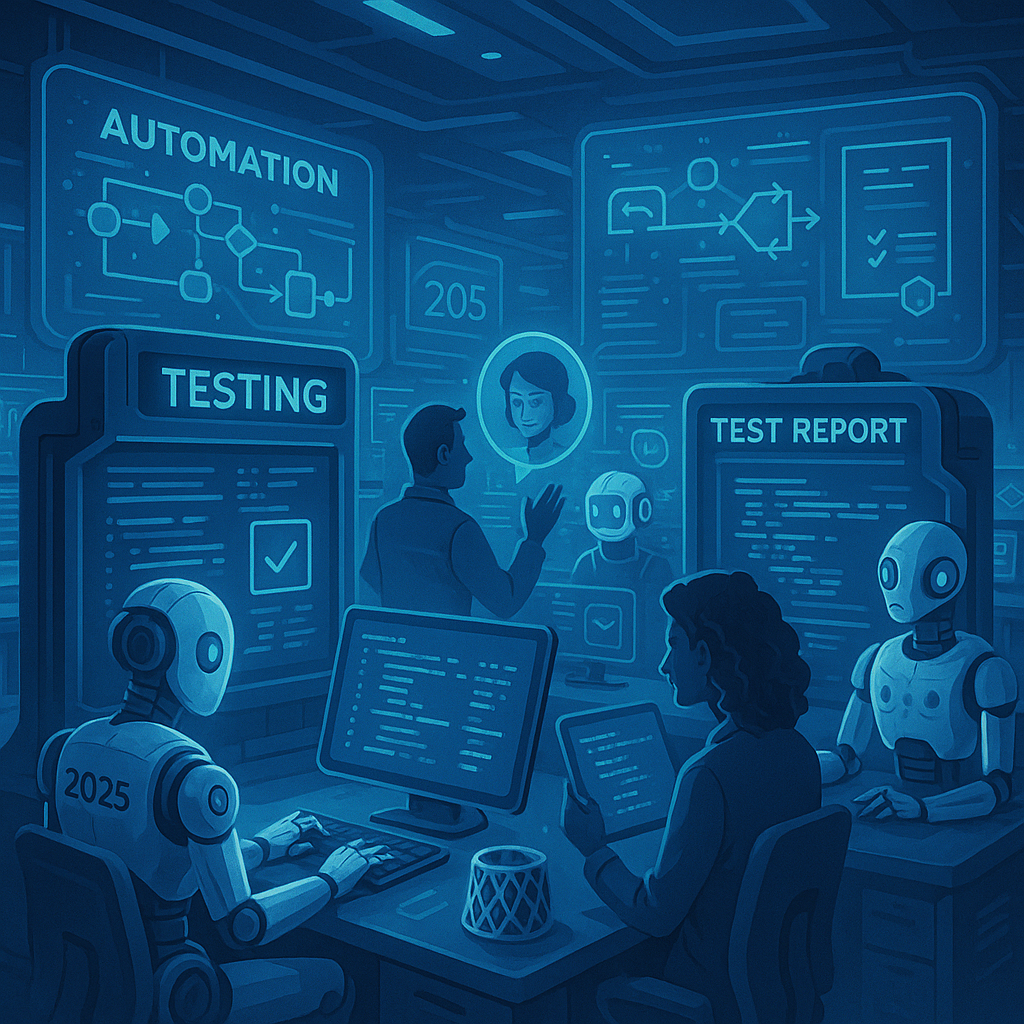
- Support and speed up the testing process
By handling these routine tasks, AI tools free up developers to focus on more complex and creative work — the kind that truly requires human thinking.
Code 1.0 vs Code 2.0: Understanding the Shift
To understand why Code 2.0 matters, it helps to compare it with how coding used to work.
| Stage | How It Works |
|---|---|
| Code 1.0 | Programmers write all code manually, line by line, without any automated assistance. |
| Code 2.0 | Programmers collaborate with AI tools that suggest, complete, and improve code in real time. |
Think of it like the difference between typing on a manual typewriter and using MS Word with spell-check and grammar suggestions. The writer still controls the content, but the tool makes the process much smoother.
Key Advantages of Code 2.0 for Developers and Businesses
The benefits of AI-Augmented Development go beyond just saving time. Here is a closer look at why this approach is gaining traction across the tech industry:
- Faster development: AI handles repetitive and time-consuming tasks, helping teams ship products quicker.
- Better code quality: AI tools spot errors early and suggest improvements, reducing the number of bugs that make it to production.
- Beginner-friendly: AI-powered low-code platforms allow people with little to no coding background to build basic applications on their own.
- Cost savings for businesses: Projects finish faster with fewer errors, which directly reduces development costs.
For startups working with small teams, these advantages can be the difference between launching on time or falling behind schedule.
Challenges and Risks to Watch Out For
While Code 2.0 brings real benefits, it also comes with challenges that developers and organisations need to take seriously.
- AI suggestions are not always accurate: Code generated by AI tools can contain errors or follow outdated practices. Developers must always review and verify AI output.
- Security vulnerabilities: Some AI-generated code may introduce security risks if used without proper review. This is especially critical for applications handling sensitive data.
- New skills are needed: Developers now need to learn how to work effectively with AI tools — including how to give the right instructions and critically evaluate the results.
The key takeaway here is that AI assists, but humans remain responsible for the final output. Developers who treat AI suggestions as a starting point rather than a finished product will get the best results.
Real-World Use Cases Across Industries
AI-Augmented Development is already being used across different sectors and experience levels:
- Startups use tools like GitHub Copilot to build and launch products faster with smaller engineering teams.
- Large enterprises use AI assistance to speed up complex, large-scale software projects that would otherwise take months longer.
- Students and learners use AI coding assistants to understand programming concepts faster and get instant feedback on their code.
This wide range of use cases shows that Code 2.0 is not just for experienced developers — it is reshaping how people at every skill level interact with software development.
What Does the Future of Coding Look Like?
Looking ahead, AI tools are expected to become even more capable. There is a real possibility that AI could eventually build complete applications with minimal human input. However, developers will continue to play a critical role in areas that require creativity, system design, and solving complex problems that go beyond pattern recognition.
Code 2.0 is not about replacing human developers. It is about building a working partnership between human intelligence and machine capability — where AI handles the repetitive groundwork and humans focus on the bigger picture.
As this partnership matures, the most valuable developers will be those who know how to work with AI tools effectively, guide them with precision, and apply critical thinking to the results they produce.
The future of software development belongs to those who adapt — and Code 2.0 is the clearest signal yet of where that future is heading.