
Modern software development has changed dramatically. Companies of all sizes are now building applications that run faster, scale better, and cost less to maintain. At the heart of this shift are two key concepts: cloud-native software and Kubernetes. Whether you are a developer, a tech enthusiast, or a business owner, understanding these tools can help you make smarter decisions about how software is built and managed today.
What Is Cloud-Native Software?
Cloud-native software refers to applications that are designed from the ground up to run in cloud environments. These are not just regular apps moved to the cloud — they are built specifically to take advantage of platforms like Amazon Web Services (AWS), Microsoft Azure, and Google Cloud.
The key idea behind cloud-native development is flexibility. These apps can be updated quickly, scaled to handle millions of users, and deployed across different cloud platforms without major changes.
Here are the main characteristics of cloud-native software:
- Microservices architecture: The app is broken into small, independent parts. Each part can be updated or fixed without affecting the rest of the application.
- Containers: The code and its settings are packaged into containers — self-contained units that run consistently across any environment.
- Easy scalability: As user traffic grows, the app can scale up automatically to handle the load.
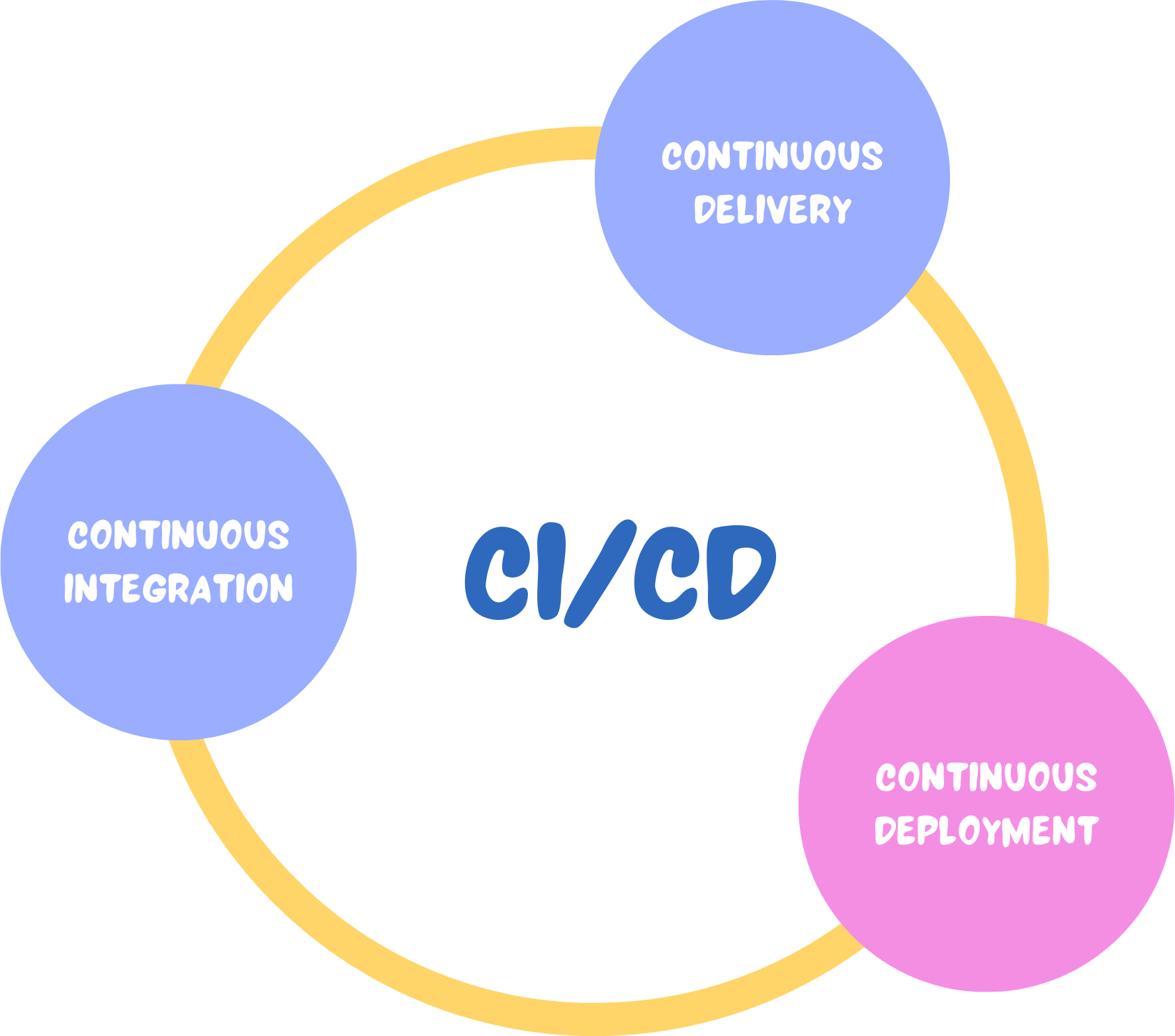
- CI/CD pipelines: Continuous Integration and Continuous Deployment tools allow teams to push new code and updates frequently and reliably.
- Multi-cloud compatibility: Cloud-native apps can run on different cloud platforms, giving businesses more flexibility and avoiding vendor lock-in.
What Is Kubernetes and How Does It Work?
Kubernetes — often written as K8s — is an open-source platform used to manage and run containers at scale. Think of it as an intelligent supervisor that keeps your containers running smoothly, decides where they should run, and steps in automatically when something goes wrong.
Originally developed by Google, Kubernetes is now maintained by the Cloud Native Computing Foundation (CNCF) and is widely used across industries worldwide.
Key functions of Kubernetes include:
- Automated management: It starts, stops, and restarts applications without any manual input from developers.
- Load balancing: It distributes incoming traffic evenly so no single container gets overwhelmed.
- Self-healing: If a container or part of the app fails, Kubernetes automatically replaces it.
- Zero-downtime deployments: Teams can roll out updates without taking the application offline.
- Security and configuration management: It handles sensitive data like passwords and API keys securely.
Cloud-Native vs Traditional Software: Key Differences
To understand why cloud-native and Kubernetes matter, it helps to compare them with traditional software development approaches.
| Feature | Traditional Software | Cloud-Native Software |
|---|---|---|
| Deployment | On-premise servers | Cloud platforms (AWS, Azure, GCP) |
| Scalability | Manual and slow | Automatic and fast |
| Updates | Infrequent, risky | Frequent, low-risk via CI/CD |
| Architecture | Monolithic | Microservices-based |
| Cost model | Fixed infrastructure cost | Pay-as-you-go, on-demand |
Why Businesses Are Adopting Cloud-Native and Kubernetes in 2025
The adoption of cloud-native technologies and Kubernetes has accelerated significantly. Businesses across sectors — from startups to large enterprises — are making the switch for clear, practical reasons:
- Faster feature releases: Teams can ship new features and fixes much more quickly using automated pipelines.
- Handling traffic spikes: Apps can scale up instantly during high-demand periods and scale back down to save costs.
- Lower infrastructure costs: Resources are used only when needed, reducing wasteful spending on idle servers.
- Multi-cloud strategy: Companies can run workloads across AWS, Azure, and Google Cloud simultaneously, reducing dependency on a single provider.
- Improved reliability: With Kubernetes managing containers, apps stay online even when individual components fail.
Real-world examples show just how powerful these tools are. Netflix uses Kubernetes to stream content to hundreds of millions of users globally without interruption. Spotify relies on it to manage its music platform and personalisation features. Banks and fintech companies use Kubernetes to build secure, real-time financial applications that handle millions of transactions daily.
What This Means for Developers and Tech Professionals
For anyone working in software development or planning to enter the tech industry, cloud-native skills are increasingly in demand. Employers across sectors are actively looking for professionals who understand:
- Container technologies like Docker
- Kubernetes orchestration and cluster management
- CI/CD pipeline setup and management
- Microservices design and deployment
- Cloud platforms such as AWS, Azure, and Google Cloud
Learning these tools not only makes you more employable but also prepares you to work on the kind of large-scale, high-performance systems that power today’s most-used digital products.
Cloud-native development and Kubernetes are not passing trends. They represent a fundamental shift in how software is built, deployed, and maintained. As more businesses move their operations to the cloud, the demand for professionals skilled in these areas will only grow stronger through 2025 and beyond.