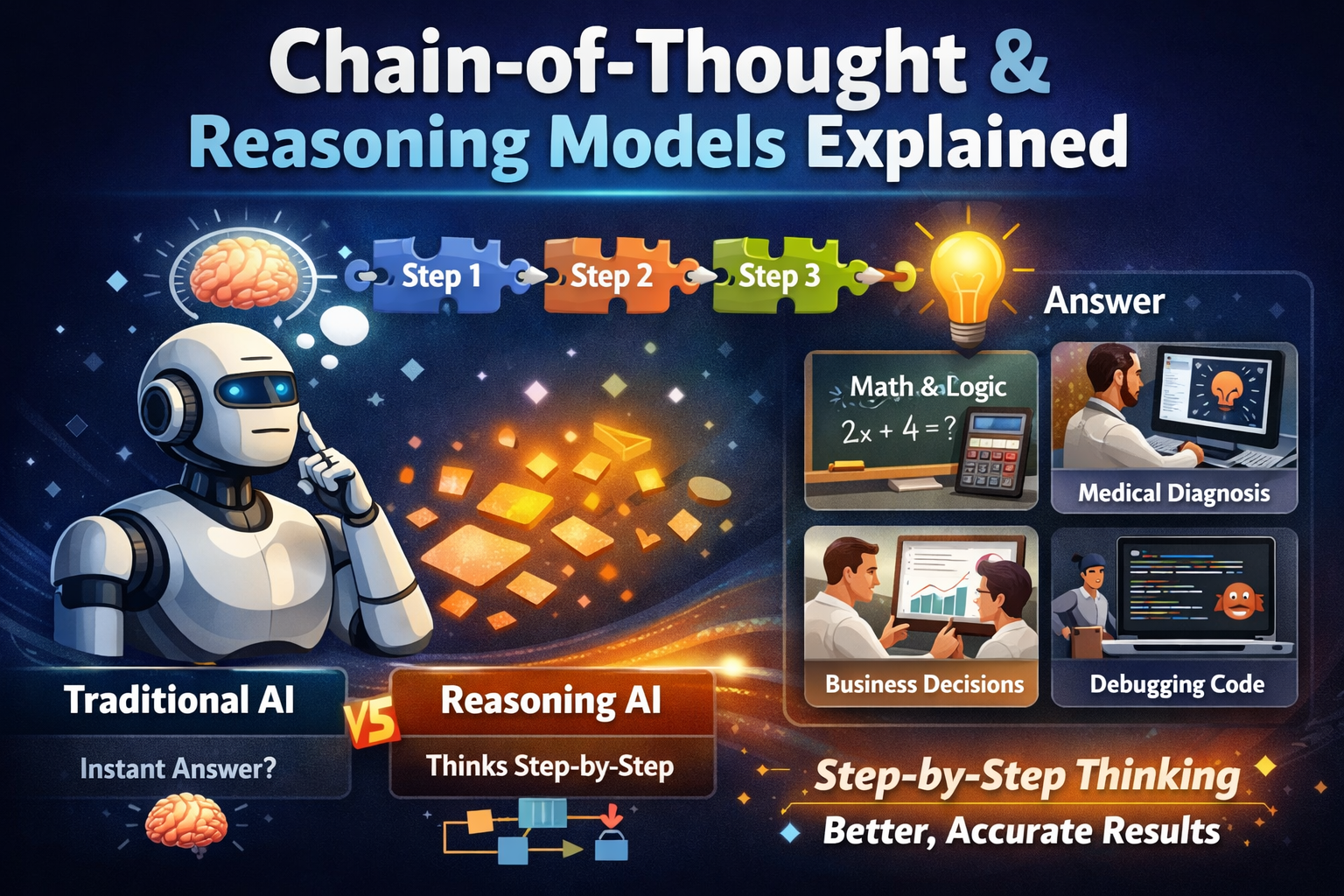

The internet is quietly shifting from a human-first space to one where AI bots interact with each other more than humans do. As we head into 2025, this shift — often called “Bot vs Bot” — is forcing businesses, marketers, and content creators to completely rethink how they approach SEO and online visibility.
What Does “Bot vs Bot” Actually Mean?
Not long ago, a person would type a query into a search engine, click on a website, and read the content directly. That process is changing fast. Today, AI-powered tools like ChatGPT, Google Gemini, and other digital assistants read and process content on behalf of users.
Here is what these bots now do automatically:
- Summarise long articles into short, digestible answers
- Evaluate and recommend products without the user visiting a single product page
- Respond to user queries directly, often without sending any traffic to the source website
This means a growing portion of online activity now involves one bot reading content created for another bot — and then deciding what a human sees next. The human is no longer the first reader. The bot is.
How AI Bots Are Changing the Way Content Is Consumed
When you publish a blog post, a news article, or a product page today, an AI crawler or chatbot often reads it before any human does. This has real consequences for how content performs online.
Consider these everyday examples:
- A user asks a chatbot a question. The bot scans multiple websites and delivers a single, combined answer — no click required.
- Google’s AI Overviews appear at the top of search results, summarising content from several pages before the user even sees the links below.
- Shopping assistants compare prices and features across sites and present a recommendation directly to the buyer.
The result is straightforward: people no longer see your content directly — they see what an algorithm chooses to show them. Your content must first pass through a machine before it reaches a human eye.
Why This Shift Has a Major Impact on SEO
This bot-first reality is creating significant changes in how SEO works. The old playbook of targeting keywords and building backlinks is still relevant, but it is no longer enough on its own.
Here are the key ways SEO is being affected:
- Machines read content first: If your content is not structured clearly and written in plain language, AI systems may skip or misrepresent it entirely. Clear headings, simple sentences, and logical flow are now critical.
- Website traffic is declining: Because AI tools answer questions directly, fewer users click through to actual websites. Businesses need new strategies to maintain visibility and engagement.
- New ranking signals are emerging: Beyond keywords and links, AI systems now favour content that includes organised metadata such as schema markup, reliable sourcing, and easy-to-process explanations.
- Algorithm competition is intensifying: Websites are no longer just competing for human clicks. They are competing to be selected by AI systems that filter and present information on behalf of users.
| Old SEO Priority | New SEO Priority in Bot-Driven World |
|---|---|
| Keyword density | Clear, machine-readable content structure |
| Backlink volume | Source authority and trustworthiness |
| Click-through rate from humans | Being cited or selected by AI systems |
| Page ranking on Google | Inclusion in AI-generated answers and summaries |
What Businesses and Content Creators Must Do Now
Adapting to a bot-first internet requires a shift in mindset. SEO is no longer just about reaching the top of a search results page. The real goal now is making sure AI systems understand, trust, and reference your content.
Practical steps to stay relevant in this new environment include:
- Use structured data and schema markup so bots can easily identify what your content is about
- Write with clarity and authority — avoid vague language and unsupported claims
- Focus on Answer Engine Optimisation (AEO) and Generative Engine Optimisation (GEO), two emerging strategies designed to help content get picked up by AI-driven tools
- Build genuine topical authority in your niche so AI systems recognise your site as a reliable source
- Keep content factually accurate and well-cited, since AI tools tend to favour credible, verifiable information
The Future of SEO in a Bot-Dominated Internet
The rise of a bot-driven internet does not mean SEO is dead. It means SEO is evolving into something broader and more complex. Businesses that understand this shift early will have a clear advantage over those still optimising only for traditional search rankings.
Going forward, winning online will depend less on chasing keywords and more on being the source that automated systems trust enough to recommend. The companies that build that trust — through clear content, strong authority, and proper technical structure — will be the ones that thrive as AI continues to reshape how information travels across the web.
In short, the next phase of digital visibility is not just about people finding your site. It is about AI systems choosing your content as the best answer — and that requires a completely different approach to how content is created, structured, and published.