
Blockchain technology has come a long way from its origins as the backbone of Bitcoin. Today, it is reshaping industries ranging from healthcare and supply chains to finance and environmental sustainability. Here is a clear look at the most important blockchain trends and what they mean for businesses, developers, and everyday users.
Beyond Cryptocurrency: Blockchain’s Expanding Role Across Industries
While Bitcoin and other cryptocurrencies remain prominent, blockchain’s real strength lies in its ability to solve practical problems across multiple sectors. Its core features — transparency, security, and decentralization — make it valuable far beyond digital payments.
- Supply Chain Transparency: Companies use blockchain to track products from manufacturing to final delivery. This reduces fraud, prevents counterfeiting, and gives consumers confidence in product authenticity.
- Healthcare Data Security: Blockchain helps protect sensitive patient records while allowing authorised parties to access and share data without compromising privacy.
- Financial Services: Banks and financial institutions are adopting blockchain to speed up transactions, reduce fraud, and lower operational costs.
These applications show that blockchain is not just a technology trend — it is a practical tool that addresses real-world challenges in meaningful ways.
Smart Contracts and DeFi: Changing How Money Works
Two of the most talked-about developments in the blockchain space are smart contracts and decentralised finance, commonly known as DeFi.
- Smart Contracts: These are self-executing agreements written directly into code. They automatically carry out the terms of a contract when conditions are met, removing the need for middlemen and reducing both costs and delays.
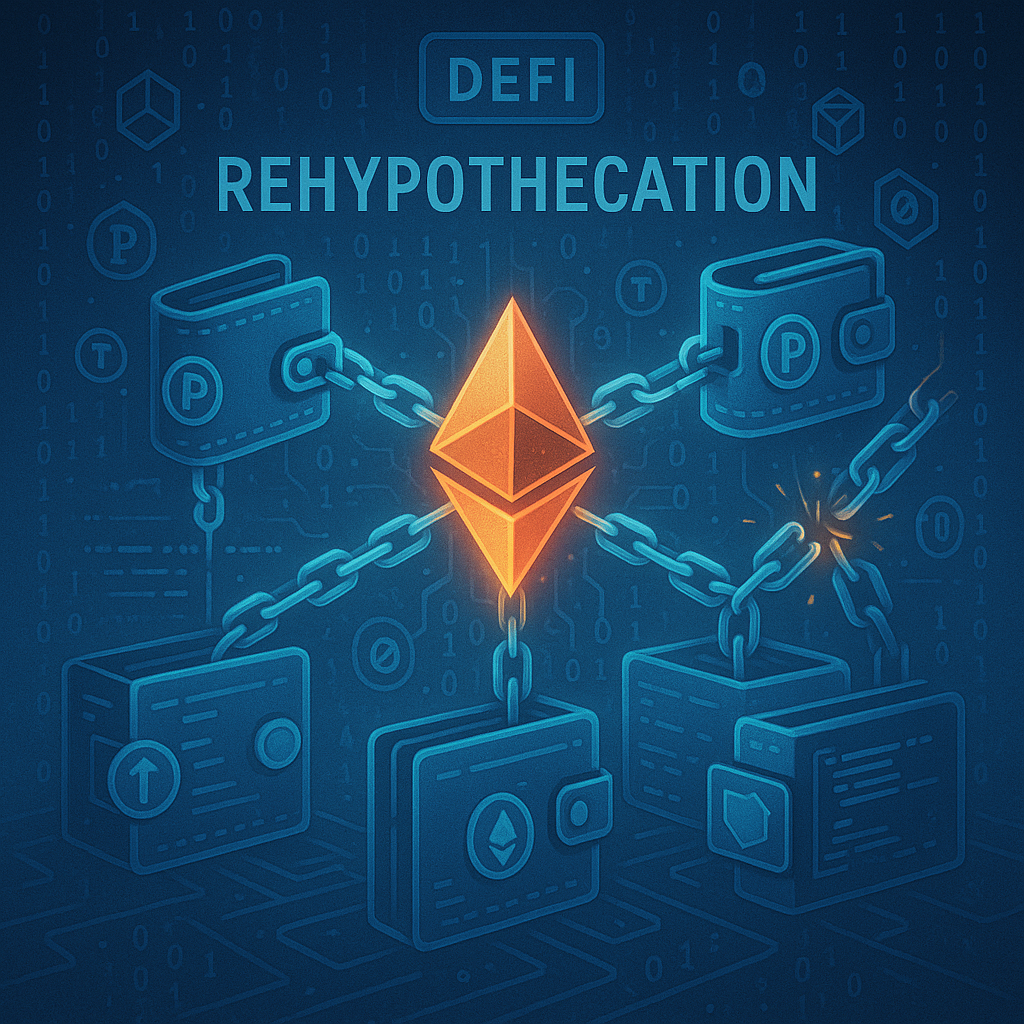
- DeFi Growth: Decentralised finance platforms offer services like lending, borrowing, yield farming, and decentralised exchanges — all without traditional banks. This makes financial services more accessible to people who may not have access to conventional banking.
However, the rapid growth of DeFi also brings challenges. Regulatory clarity and stronger security measures are essential to ensure the sector remains stable and trustworthy over the long term.
Scalability and Interoperability: Solving Blockchain’s Core Technical Challenges
For blockchain to reach mainstream adoption, it must handle large volumes of transactions quickly and work smoothly across different networks. Significant progress is being made on both fronts.
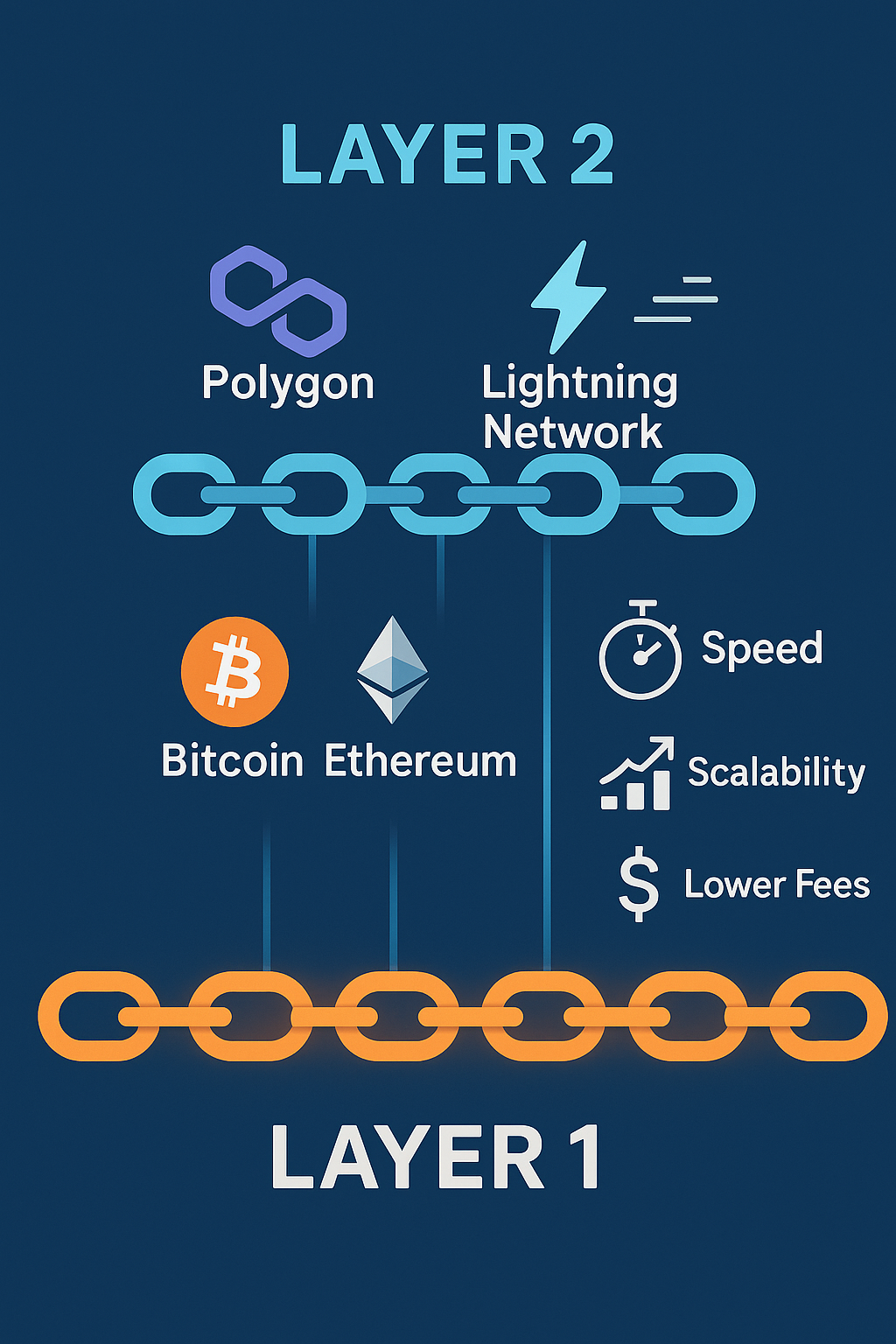
- Layer 2 Scaling Solutions: Technologies such as rollups and sidechains process transactions off the main blockchain, reducing congestion and making the network faster and cheaper to use.
- Interoperability Projects: Platforms like Polkadot and Cosmos are designed to allow different blockchain networks to communicate and share data with each other, creating a more connected and functional ecosystem.
| Challenge | Solution | Example |
|---|---|---|
| Slow transaction speed | Layer 2 scaling | Rollups, Sidechains |
| Isolated blockchain networks | Interoperability protocols | Polkadot, Cosmos |
| High energy consumption | Proof of Stake consensus | Ethereum’s PoS upgrade |
These technical improvements are making blockchain more practical for everyday applications, from retail payments to government record-keeping.
Blockchain and Sustainability: The Push for Greener Solutions
One of the biggest criticisms of blockchain has been its environmental impact. Traditional Proof of Work (PoW) systems, like the one originally used by Bitcoin, consume enormous amounts of energy. The industry is actively working to address this concern.
- Proof of Stake (PoS): This consensus mechanism uses far less energy than PoW. Ethereum’s landmark shift from PoW to PoS is one of the most significant examples of the industry moving toward sustainability.
- Carbon-Neutral Initiatives: Several blockchain projects are now investing in renewable energy sources and carbon offset programmes to reduce their environmental footprint.
As the technology scales up, maintaining a focus on environmental responsibility will be critical. Sustainable blockchain development is not just good ethics — it is increasingly becoming a business and regulatory requirement.
What the Future Holds for Blockchain Technology
Blockchain is still evolving, and its potential continues to grow. From improving financial systems and protecting sensitive data to enabling greener digital infrastructure, blockchain is becoming a foundational part of the digital economy.
For businesses and developers, staying informed about these developments is essential. The organisations that understand and adapt to blockchain’s capabilities — while addressing its challenges around security, regulation, and scalability — will be best positioned to benefit from what this technology offers.
The road ahead for blockchain is promising. With continued investment in innovation and responsible development, it has the potential to create more transparent, efficient, and equitable systems across the global economy.