
Blockchain technology is advancing rapidly, addressing two of its biggest challenges — security and scalability. As more businesses and individuals look to adopt digital transactions, newer innovations are making blockchain faster, safer, and more affordable than ever before.
What Is Blockchain and Why Does It Matter?
Blockchain is a decentralised digital ledger that records transactions across thousands of computers simultaneously. Each block in the chain contains a set of verified transactions, and once added, it cannot be altered without changing every subsequent block — making tampering nearly impossible.
Because no single authority controls the network, blockchain offers a level of transparency and trust that traditional centralised systems struggle to match. This is why industries ranging from finance and healthcare to supply chain and real estate are exploring its potential.
How Blockchain Is Strengthening Transaction Security
Security remains one of blockchain’s strongest selling points. Two key methods are driving this forward:
- Cryptographic Techniques: Every transaction on a blockchain is encrypted using complex mathematical algorithms. This encryption makes it nearly impossible for unauthorised parties to access or alter transaction data, ensuring both privacy and integrity.
- Consensus Mechanisms: Before any transaction is added to the blockchain, the network must agree it is valid. Mechanisms like Proof of Work (PoW) and Proof of Stake (PoS) require participants to verify transactions collectively. This process prevents fraud and eliminates the risk of double-spending, significantly strengthening overall network security.
Together, these methods create a system where trust is built into the technology itself, rather than relying on a central authority.
Solving the Scalability Problem: Sharding and Layer 2 Solutions
One of the biggest criticisms of blockchain has been its inability to handle large volumes of transactions quickly. Traditional blockchains can slow down significantly during peak usage. Two major innovations are changing this:
- Sharding: This technique divides the blockchain into smaller segments called shards. Each shard processes its own set of transactions independently, allowing the network to handle multiple transactions simultaneously. The result is a significant boost in processing speed without compromising security.
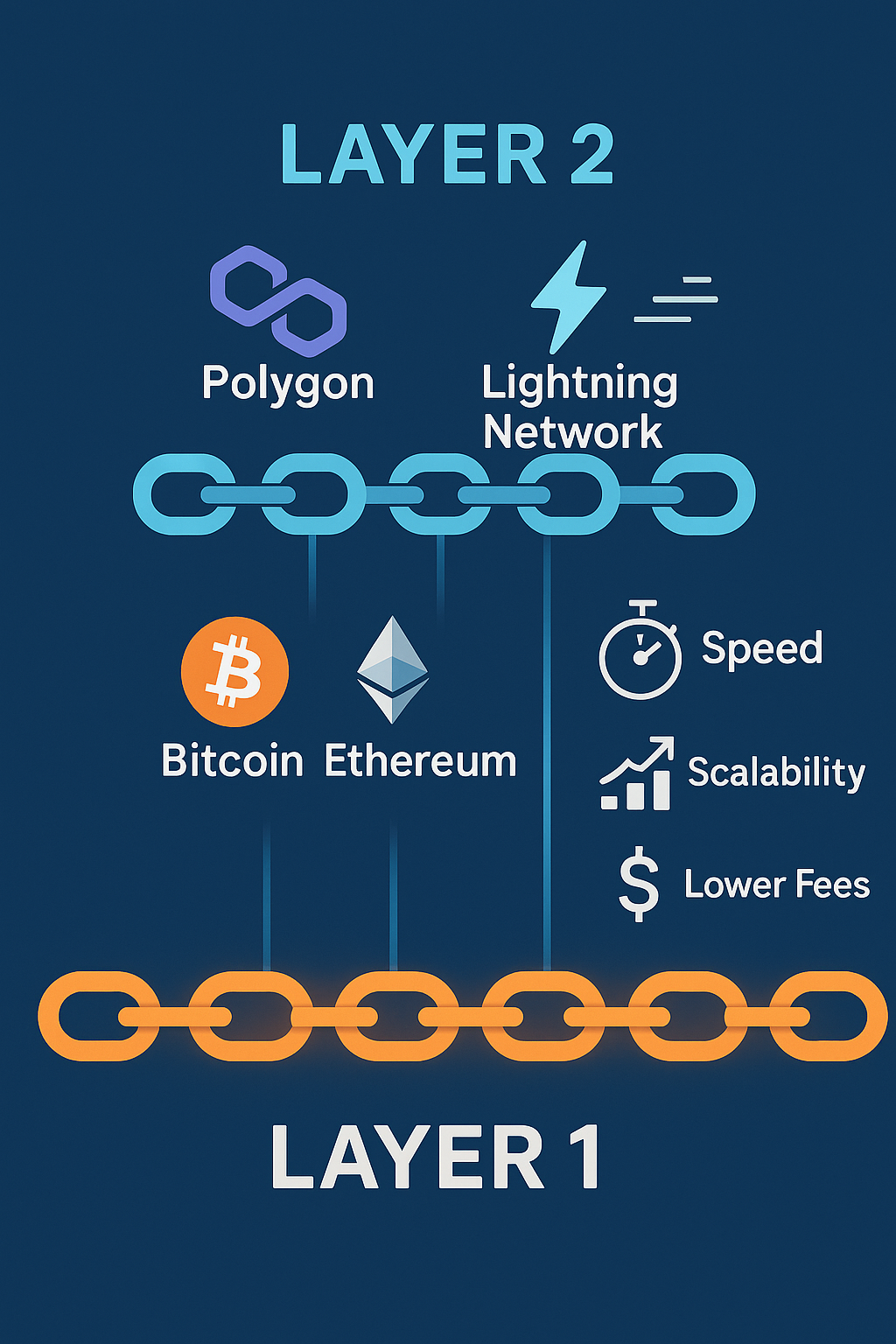
- Layer 2 Solutions: These are secondary frameworks built on top of the main blockchain. Examples include the Lightning Network for Bitcoin and Plasma for Ethereum. By processing transactions off the main chain and only settling final results on-chain, Layer 2 solutions reduce network congestion and dramatically improve transaction speeds.
| Scalability Solution | How It Works | Example |
|---|---|---|
| Sharding | Splits blockchain into smaller shards for parallel processing | Ethereum 2.0 |
| Layer 2 Solutions | Processes transactions off-chain, settles on-chain | Lightning Network, Plasma |
What These Innovations Mean for Mainstream Adoption
For blockchain to move beyond niche use cases, it needs to be practical for everyday users and businesses. Recent advancements are making that possible in two important ways:
- Lower Transaction Costs: High fees have historically discouraged widespread use. As scalability improves, the cost per transaction drops, making blockchain accessible to small businesses and individual users who previously found it too expensive.
- Faster Processing Times: Speed is critical for mainstream acceptance. With sharding and Layer 2 solutions in place, blockchain networks can now process transactions much more quickly, offering an experience comparable to traditional payment systems.
These improvements are gradually removing the barriers that once kept blockchain confined to tech-savvy early adopters and large enterprises.
The Road Ahead for Blockchain Technology
The combination of stronger security protocols and improved scalability is positioning blockchain as a viable infrastructure for mainstream digital transactions. Industries that depend on secure, transparent, and fast data exchange — such as banking, logistics, and healthcare — stand to benefit the most.
As consensus mechanisms become more energy-efficient and Layer 2 networks mature, the gap between blockchain’s potential and its real-world performance continues to narrow. The technology is no longer just a concept for the future — it is actively being built into the systems people use today.
In conclusion, blockchain’s latest innovations in transaction security and network scalability are bringing it closer to everyday usability. With falling costs, faster speeds, and stronger security, blockchain is steadily earning its place as a trusted foundation for the digital economy.