Blockchain technology is steadily changing how businesses manage their supply chains. From tracking food safety to verifying luxury goods, this distributed ledger system is helping companies build more transparent, secure, and efficient operations across the globe.
What Is Blockchain and Why Does It Matter for Supply Chains?
Blockchain is a decentralised digital ledger that records transactions across a network of computers. Unlike traditional systems that rely on a single central database, blockchain distributes data across multiple nodes, making it extremely difficult to alter or tamper with records.
This core feature makes blockchain highly suitable for supply chain management, where trust, accuracy, and traceability are critical. Every participant in the chain — from manufacturers to retailers — can access the same verified data in real time.
Key Benefits of Blockchain in Supply Chain Operations
- Transparency: Every stakeholder can view a product’s complete history, which builds accountability and reduces disputes between parties.
- Security: Transactions are encrypted and tamper-proof, which significantly reduces the risk of fraud and unauthorised data changes.
- Efficiency: Blockchain automates record-keeping and reduces paperwork, speeding up processes that traditionally took days.
- Traceability: Products can be tracked at every stage of their journey, from raw material sourcing to final delivery.
- Cost Reduction: By eliminating intermediaries and automating transactions through smart contracts, companies can lower operational costs over time.
Real-World Applications of Blockchain in Supply Chains
Several industries are already using blockchain to solve real supply chain problems. Here are some notable examples:
Food Safety: Retail giants like Walmart use blockchain to trace food products from farms to store shelves. If a contamination issue arises, the affected batch can be identified and removed quickly, protecting consumers and reducing waste.
Luxury Goods Authentication: High-end brands are using blockchain to assign unique digital identities to products like watches, handbags, and diamonds. This helps buyers verify authenticity and prevents counterfeit goods from entering the market.
Automotive Manufacturing: Car manufacturers track components from production to assembly using blockchain. This ensures only approved parts are used, improving both safety standards and quality control.
Pharmaceutical Industry: In healthcare, blockchain helps verify the authenticity of medicines, reducing the risk of counterfeit drugs reaching patients — a concern that has serious public health implications.
| Industry | Blockchain Use Case | Key Benefit |
|---|---|---|
| Food & Retail | Farm-to-shelf tracking | Faster contamination response |
| Luxury Goods | Product authentication | Counterfeit prevention |
| Automotive | Parts tracking | Quality and safety assurance |
| Pharmaceuticals | Drug verification | Reduced counterfeit medicines |
The Future of Blockchain in Supply Chain Management
The adoption of blockchain in supply chains is expected to grow significantly across multiple sectors. Here is what the future looks like:
Integration with IoT Devices: When blockchain is combined with Internet of Things (IoT) sensors, companies can monitor product conditions in real time. Sensors can track temperature, humidity, and location during transit, ensuring goods are stored and shipped under optimal conditions.
Sustainability and Regulatory Compliance: Governments and corporations are increasingly looking at blockchain to meet environmental regulations and sustainability goals. The technology can help verify sustainable sourcing, track carbon emissions, and confirm fair labour practices across global supply chains.
Wider Industry Adoption: Beyond food and luxury goods, sectors like healthcare, retail, and heavy manufacturing are expected to adopt blockchain at scale, making supply chains faster, cheaper, and more reliable.
Challenges That Still Need to Be Addressed
Despite its promise, blockchain adoption in supply chains comes with real obstacles:
- High Initial Costs: Setting up a blockchain-based supply chain system requires significant investment, which can be a barrier for small and medium-sized businesses. However, long-term savings in efficiency and security often justify the upfront expense.
- Integration with Legacy Systems: Many businesses still rely on older supply chain management software that may not be compatible with blockchain. Upgrading these systems and training staff adds to the complexity of adoption.
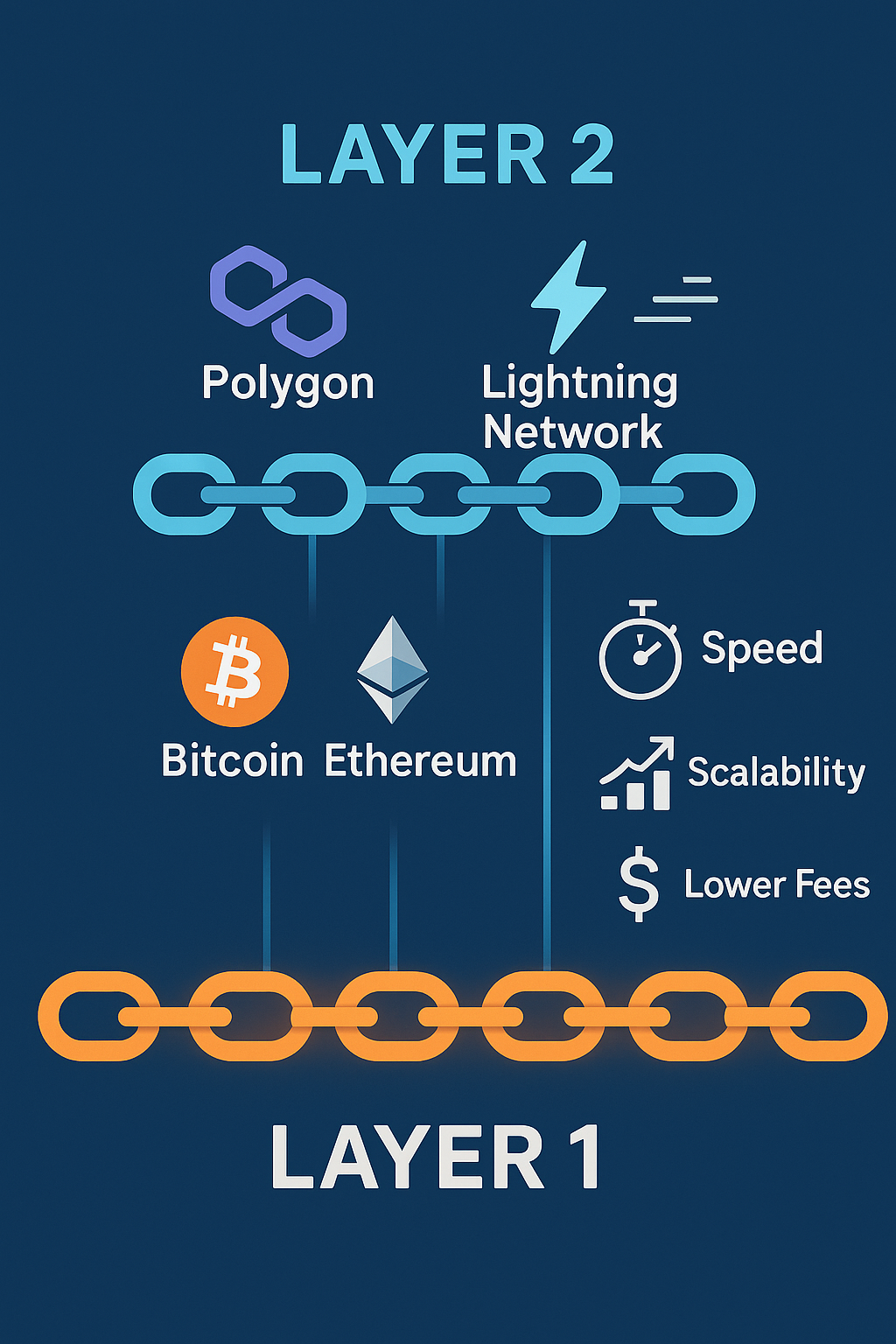
- Scalability Issues: As more transactions are added to a blockchain network, processing speeds can slow down. Developers are actively working on improved blockchain architectures and layer-two solutions to address this challenge.
Blockchain holds strong potential to reshape global supply chains, but widespread adoption will require collaboration between technology providers, businesses, and regulators to overcome these hurdles.
As the technology matures and costs come down, more companies — including smaller players — are likely to integrate blockchain into their supply chain operations, making global trade more transparent and trustworthy than ever before.