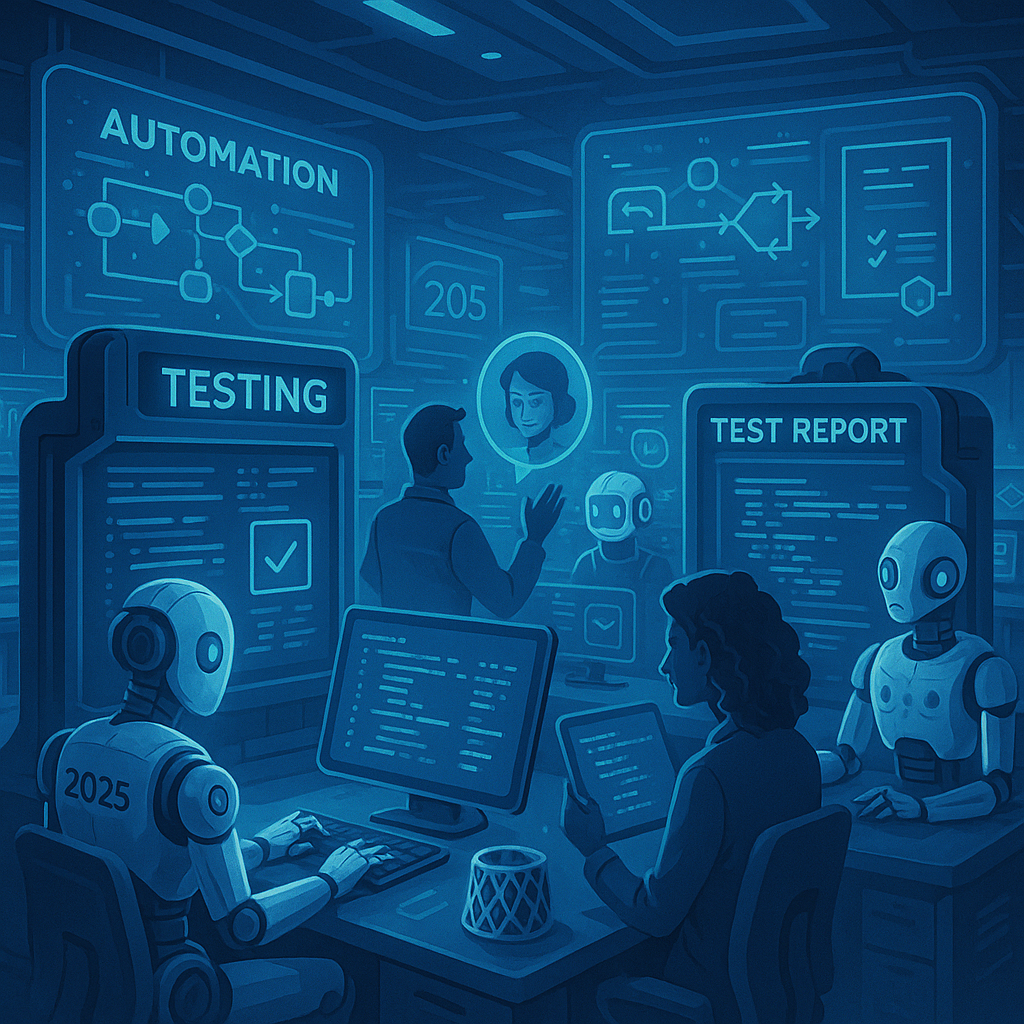

Every developer knows the frustration of chasing down a stubborn bug. Whether it is a missing semicolon or a deep logic error buried across hundreds of lines, debugging can eat up hours of productive time. AI-powered debugging tools are changing that reality, helping developers spot and fix issues faster than ever before.
What Is AI-Powered Debugging?
AI-powered debugging refers to the use of smart software tools that help developers find, understand, and correct code errors more efficiently. These tools are trained on massive amounts of code and error data, which allows them to detect problems and suggest fixes — sometimes before the developer even notices something is wrong.
Instead of spending hours reading through confusing error logs, developers can now rely on AI to scan those logs instantly and point directly to the issue. This saves time and reduces the mental load that comes with complex debugging sessions.
How AI Detects Bugs Faster Than Manual Review
AI tools work by analyzing code and application behavior in real time. Here is how they help speed up bug detection:
- Automatic log scanning: AI reviews large error logs and highlights what actually matters, so developers do not waste time on irrelevant output.
- Root cause analysis: Rather than just showing where an error occurred, AI can often trace the bug back to its original source, even when it is buried deep in the codebase.
- Proactive risk detection: Advanced AI systems can identify risky code patterns and alert developers before those patterns cause real problems in production.
This combination of speed and depth makes AI a valuable partner during the debugging process, especially on large or complex projects.
How AI Suggests and Applies Code Fixes
Beyond finding bugs, modern AI tools can also recommend or automatically apply corrections. Here is what they offer:
- Real-time fix suggestions: Tools like GitHub Copilot, Amazon CodeWhisperer, and Tabnine suggest code corrections as you type, reducing the chance of introducing new errors.
- Quick fixes in editors: Code editors such as VS Code and IntelliJ IDEA now use AI to offer instant fixes for common issues like missing imports, wrong syntax, and formatting errors.
- Automated test generation: AI can create unit tests or review existing ones to confirm that everything still works correctly after a bug has been fixed.
Popular AI Debugging Tools Developers Are Using
Several AI tools have become go-to options for developers looking to speed up their debugging workflow:
- Sentry – Monitors web and mobile app errors in real time and provides detailed context around each issue.
- GitHub Copilot – Offers intelligent code suggestions directly inside your editor while you write.
- DeepCode – Analyzes code quality and recommends smarter fixes compared to traditional linters.
- Tabnine / Codeium – Provides fast, AI-driven code completion that helps prevent bugs before they are written.
Most of these tools support multiple programming languages and integrate smoothly into existing development environments.
| Tool | Primary Use | Best For |
|---|---|---|
| Sentry | Real-time error monitoring | Web and mobile apps |
| GitHub Copilot | Code suggestions and fixes | All developers |
| DeepCode | Code quality analysis | Code review and security |
| Tabnine / Codeium | AI code completion | Speed and accuracy |
Benefits and Limitations of AI Debugging
AI debugging brings clear advantages, but it also has some limitations developers should keep in mind.
Key benefits:
- Reduces time spent finding bugs by automating log analysis and pattern detection.
- Lowers mental fatigue during long debugging sessions.
- Increases overall productivity so developers can focus on building features.
- Improves code quality through smarter, context-aware suggestions.
- Supports both beginner developers and large teams working on complex codebases.
Limitations to watch out for:
- AI can miss bugs that depend on specific business logic or context it was not trained on.
- Suggestions may sometimes be too generic or not fully accurate for your situation.
- Developers must always review and understand any changes AI recommends before applying them.
- Over-relying on AI tools can gradually weaken a developer’s own problem-solving skills.
AI works best as a support tool, not a replacement for developer judgment and experience.
What the Future of AI Debugging Looks Like
The next few years are likely to bring even more powerful debugging capabilities. Developers can expect:
- Conversational AI assistants that walk through bugs step by step in plain language.
- Personalized auto-fixes tailored specifically to a project’s codebase and coding style.
- Full-system debugging where AI handles backend, frontend, and deployment errors together in one view.
As these tools mature, the gap between writing code and shipping reliable software will continue to shrink. Debugging may eventually become as simple as describing a problem and watching the fix appear.
For now, the best approach is to use AI debugging tools as a smart assistant — one that speeds up your workflow, catches errors early, and helps you write better code every day.