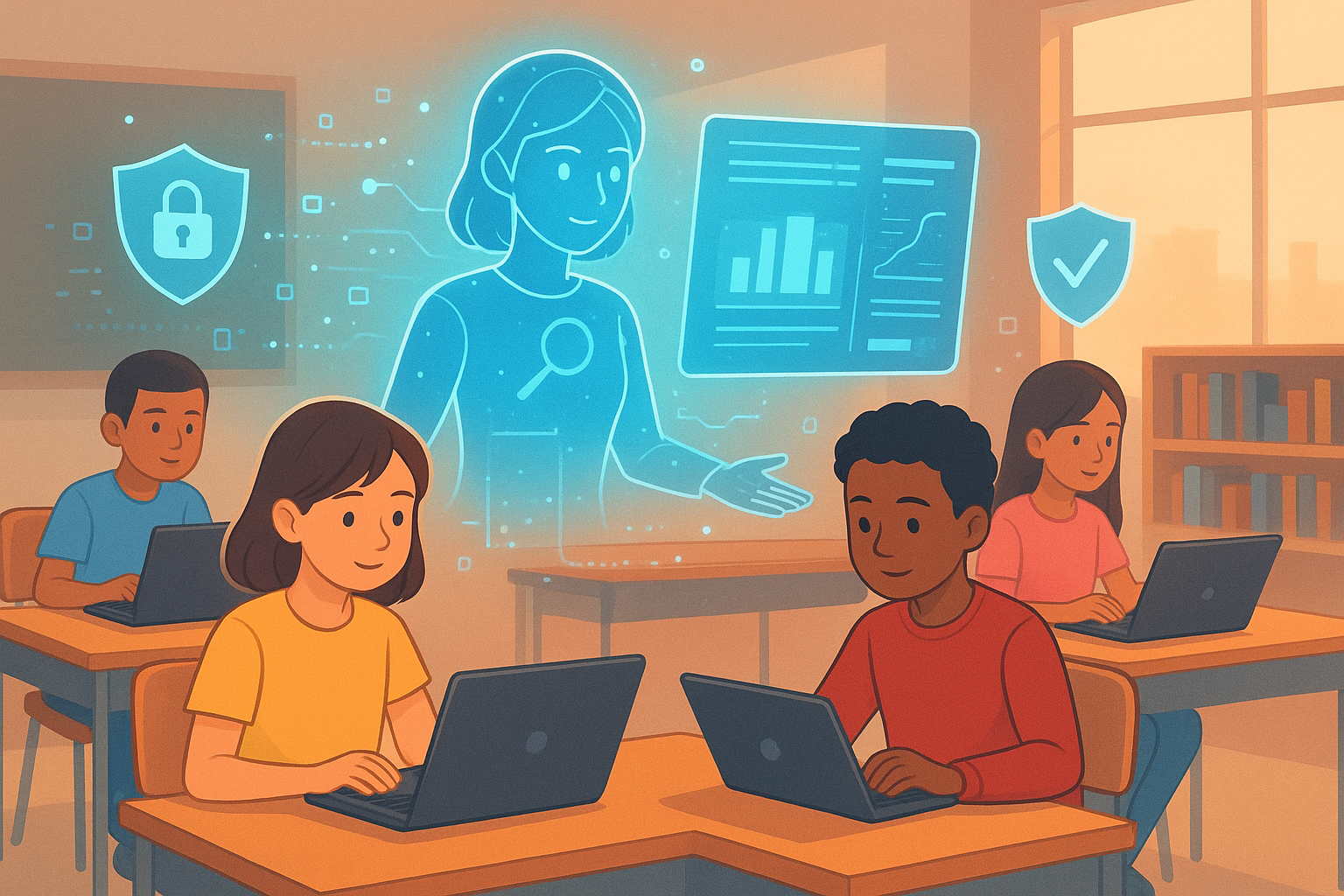
Schools across India and the world are rapidly adopting artificial intelligence tools to improve learning outcomes. From personalized lessons to automated grading, AI is reshaping classrooms. But as these tools collect more student data, privacy and ethical concerns are growing louder among parents, teachers, and policymakers.
How AI Is Changing the Way Students Learn
AI is being applied across education in ways that were unimaginable a decade ago. These tools are not just making learning faster — they are making it more targeted and effective.
- Personalized Learning: AI analyzes each student’s strengths, weaknesses, and learning pace to create customized study plans. Students no longer have to follow a one-size-fits-all curriculum.
- Automated Grading and Feedback: AI can grade assignments and tests quickly, giving students instant feedback. This frees up teachers to spend more time on actual instruction.
- Virtual Tutors and Chatbots: Intelligent tutoring systems help students with homework or concept clarity at any hour, extending support beyond school hours.
- Predictive Analytics: AI can flag students who may be falling behind, allowing schools to step in early with targeted support before problems worsen.
These benefits are real and measurable. However, all of them depend on collecting and processing large amounts of student data — and that is where the concerns begin.
The Privacy Risks That Come With AI in Schools
AI systems in education collect a wide range of sensitive information. This typically includes personal details like names, ages, and contact information, academic performance records, grades and test scores, and behavioral and interaction patterns on digital platforms.
When this data is not handled carefully, several risks arise:
- Data Misuse: Student information shared with third-party AI vendors could be used for purposes beyond education, including targeted advertising or profiling.
- Lack of Transparency: Many parents and students do not know what data is being collected or how it is stored and used.
- Algorithmic Bias: If an AI system is trained on biased data, it may produce unfair assessments or recommendations that disadvantage certain groups of students.
- Third-Party Security Risks: Many AI tools are managed by external companies. If these vendors do not maintain strong cybersecurity practices, data breaches become a real threat.
What Parents and Teachers Are Saying
Concerns about AI in schools are not limited to tech experts. Surveys suggest that around 70% of parents are opposed to sharing their children’s data with AI platforms. Their worries center on safety, fairness, and the potential for personal information to be misused.
Teachers, on the other hand, see the value in AI tools but are equally concerned about ethical data use. Most educators want clear guidelines on what data can be collected and how it should be protected before they feel comfortable integrating AI into their classrooms.
This gap between enthusiasm for AI’s potential and anxiety about its risks is one of the biggest challenges schools face today.
Practical Steps Schools Can Take to Protect Student Data
The good news is that schools and AI providers can take concrete steps to reduce privacy risks without giving up the benefits of these tools.
- Collect Only What Is Necessary: AI systems should be configured to gather only the data directly needed for learning. Unnecessary personal details should never be collected.
- Be Transparent With Families: Schools should clearly communicate to students and parents what data is collected, how it is stored, and who has access to it.
- Use Strong Data Security: Encryption, secure servers, and regular security audits help prevent unauthorized access and data leaks.
- Anonymize or Synthesize Data: AI models can be trained on anonymized or synthetic datasets, protecting real student identities while still producing effective learning tools.
- Follow Privacy Laws: Schools must comply with regulations such as GDPR in Europe, FERPA in the United States, and relevant data protection laws in India to ensure legal and ethical data handling.
| Privacy Risk | Recommended Solution |
|---|---|
| Data misuse by third parties | Vet AI vendors carefully; limit data sharing |
| Lack of transparency | Share clear data policies with parents and students |
| Algorithmic bias | Regular audits and diverse training datasets |
| Security breaches | Encryption and strong cybersecurity protocols |
Building Ethical AI Practices in Education
Protecting data is important, but ethical AI goes further. It means ensuring that AI tools are fair, accountable, and always serve the best interests of students.
- Fair Assessments for All: AI must deliver unbiased results regardless of a student’s gender, race, socioeconomic background, or language.
- Human Oversight Must Remain: Teachers should always be in the loop. AI should assist educators, not replace their judgment or their relationship with students.
- Regular Audits: AI systems should be reviewed periodically to catch errors, biases, or emerging security vulnerabilities before they cause harm.
When schools commit to ethical AI practices, they build trust with families and create an environment where technology genuinely supports learning rather than creating new problems.
The path forward for AI in education is clear: embrace the tools that help students learn better, but never at the cost of their safety, privacy, or dignity. Schools that get this balance right will be the ones that truly benefit from what AI has to offer.
Frequently Asked Questions
AI tools in education commonly collect personal details such as names, ages, and contact information, along with academic performance data like grades and test scores, and behavioral data such as how students interact with digital platforms and learning materials.
Schools can protect student privacy by collecting only necessary data, being transparent with parents about data use, using encryption and strong cybersecurity measures, anonymizing student data where possible, and complying with privacy laws such as GDPR or FERPA.
Yes, surveys indicate that around 70% of parents are opposed to sharing their children's data with AI platforms. Their main concerns include data misuse, lack of transparency about how information is used, and potential security risks from third-party AI vendors.