
Software development is going through a major shift. AI-powered tools are now helping developers write code faster, catch bugs earlier, and ship products more reliably. This change is not just about automation — it is about making the entire development process smarter and more efficient for teams of all sizes.
What Is AI-Driven Software Engineering?
AI-driven software engineering refers to the use of artificial intelligence tools and techniques to assist in building, testing, and managing software applications. These tools can suggest code, detect errors, automate documentation, and even predict system failures before they occur.
Rather than replacing developers, these tools act as intelligent assistants. They handle repetitive and time-consuming tasks so that engineers can focus on solving complex problems and building better products.
Key Ways AI Is Helping Developers Today
AI is being applied across multiple stages of the software development lifecycle. Here is how it is making a real difference:
- Automatic Code Suggestions: Tools like GitHub Copilot suggest code snippets as developers type, reducing manual effort and speeding up the coding process significantly.
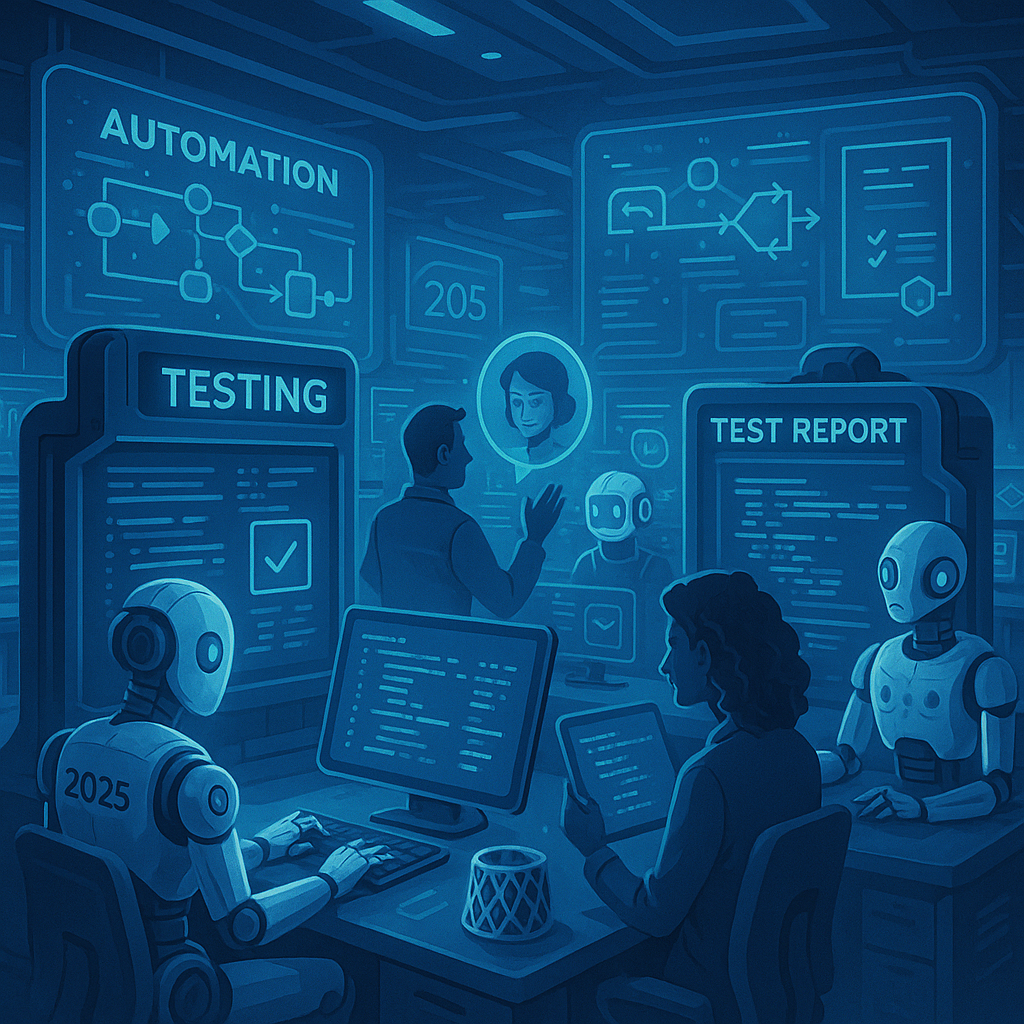
- Faster Bug Detection: AI can simulate user interactions and test applications at scale, identifying bugs and vulnerabilities before software reaches end users.
- Automated Code Reviews: Platforms like DeepCode analyze large volumes of code to flag issues and recommend improvements based on patterns from millions of code examples.
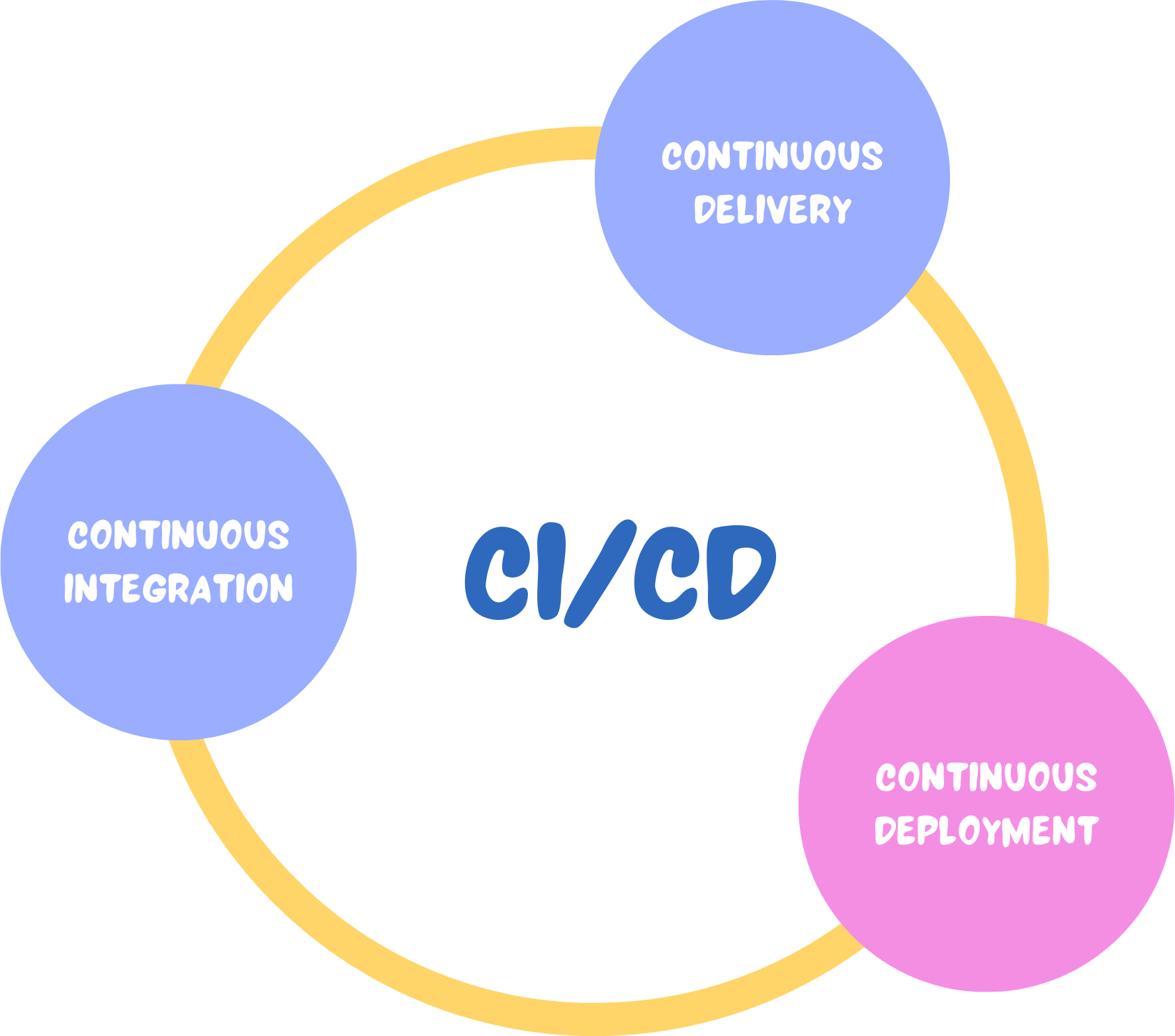
- Workflow Automation: Routine tasks such as documentation, code formatting, and deployment checks can be automated, freeing developers to focus on higher-value work.
- Predictive Maintenance: Some organizations use AI to monitor live applications and predict potential failures before they impact users, keeping systems stable and reliable.
Benefits and Challenges: A Quick Comparison
| Benefits | Challenges |
|---|---|
| Saves developer time on repetitive tasks | Requires human oversight to ensure code quality |
| Improves overall code quality and reliability | Needs investment in training and infrastructure |
| Speeds up software releases and updates | Raises concerns around data privacy and security |
| Reduces development costs over time | Risk of bias in AI-generated code or decisions |
| Gives companies a competitive advantage | Teams need upskilling to work effectively with AI tools |
Real-World Tools Leading the Change
Several tools are already making a strong impact in the industry:
- GitHub Copilot — Developed by GitHub and powered by OpenAI, it provides real-time code suggestions directly inside popular code editors.
- DeepCode — Uses machine learning to scan code repositories and surface potential bugs, security issues, and performance problems.
- Predictive Maintenance Platforms — Used by enterprises to monitor production systems and flag anomalies before they cause downtime.
These tools are not limited to large tech companies. Startups and mid-size businesses are also adopting them to compete more effectively and deliver software faster.
What the Future Looks Like for Software Development
The role of AI in software engineering will only grow in the coming years. As these tools become more capable, they will handle increasingly complex tasks — from designing system architecture to writing entire modules of code with minimal human input.
However, the human element will remain essential. Developers will need to guide, review, and validate AI outputs to ensure they meet business requirements and ethical standards. Skills like critical thinking, system design, and problem-solving will become even more valuable as routine coding tasks get automated.
Companies that start building AI-assisted workflows today will be better positioned to scale their engineering teams, reduce time-to-market, and maintain higher software quality as competition intensifies.
In short, AI-driven software engineering is not a distant concept — it is already here, and it is reshaping how software gets built, tested, and delivered across the industry.