
The internet is changing fast, and Web3 is at the centre of that shift. Built on blockchain technology, Web3 promises a digital world where users — not corporations — hold real power over their data, identity, and assets. If you have heard the term but are not sure what it means, here is a clear and practical breakdown of how Web3 ecosystems work and why they matter.
What Is a Web3 Ecosystem?
A Web3 ecosystem is a network of decentralized technologies that together form the next generation of the internet. Unlike Web2 — the current internet dominated by platforms like Google, Meta, and Amazon — Web3 shifts control away from big corporations and gives it back to individual users.
At its core, Web3 runs on blockchain networks. These are distributed digital ledgers that record transactions transparently and securely without needing a central authority. Tools like smart contracts, cryptocurrencies, and decentralized applications (dApps) are the building blocks of this new digital environment.
Think of it this way: in Web2, you use a platform and the platform owns your data. In Web3, you own your data, your digital assets, and your identity — and no single company can take that away.
Why Web3 Matters for Everyday Users
Web3 is not just a technical upgrade. It changes the relationship between users and the internet in meaningful ways.
- Data ownership: Your personal data belongs to you, stored in blockchain wallets and decentralized identity systems — not on a company’s server.
- Trustless transactions: Smart contracts execute automatically based on pre-set rules. No middleman, no delays, no hidden fees.
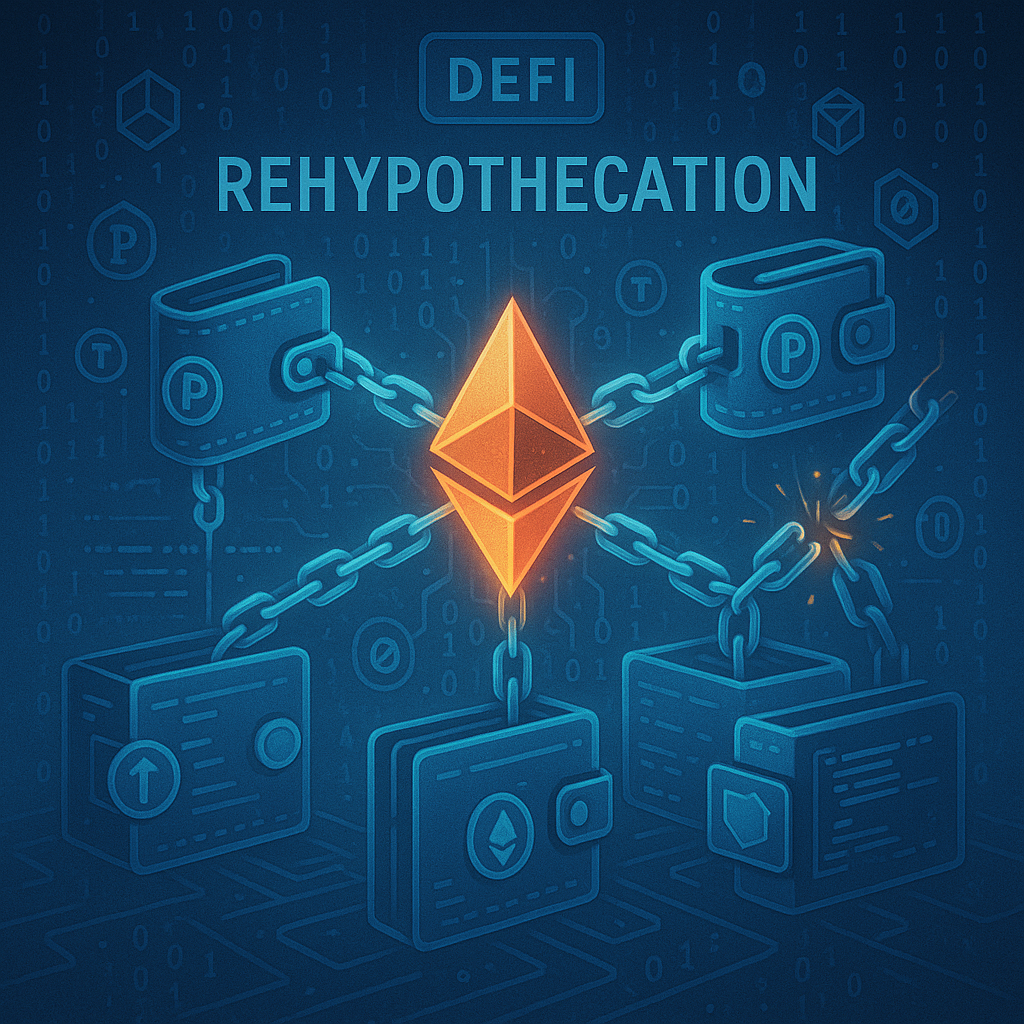
- Financial access: Through Decentralized Finance (DeFi), anyone with an internet connection can borrow, lend, trade, or earn — without needing a bank account.
- Community power: Decisions about platforms are made by users through Decentralized Autonomous Organizations (DAOs), not by a board of directors.
These features make Web3 particularly relevant for people in regions where access to traditional financial services is limited or where digital privacy is a growing concern.
Key Components That Make Up a Web3 Ecosystem
A Web3 ecosystem is not a single product or platform. It is a collection of interconnected technologies working together. Here are the main components:
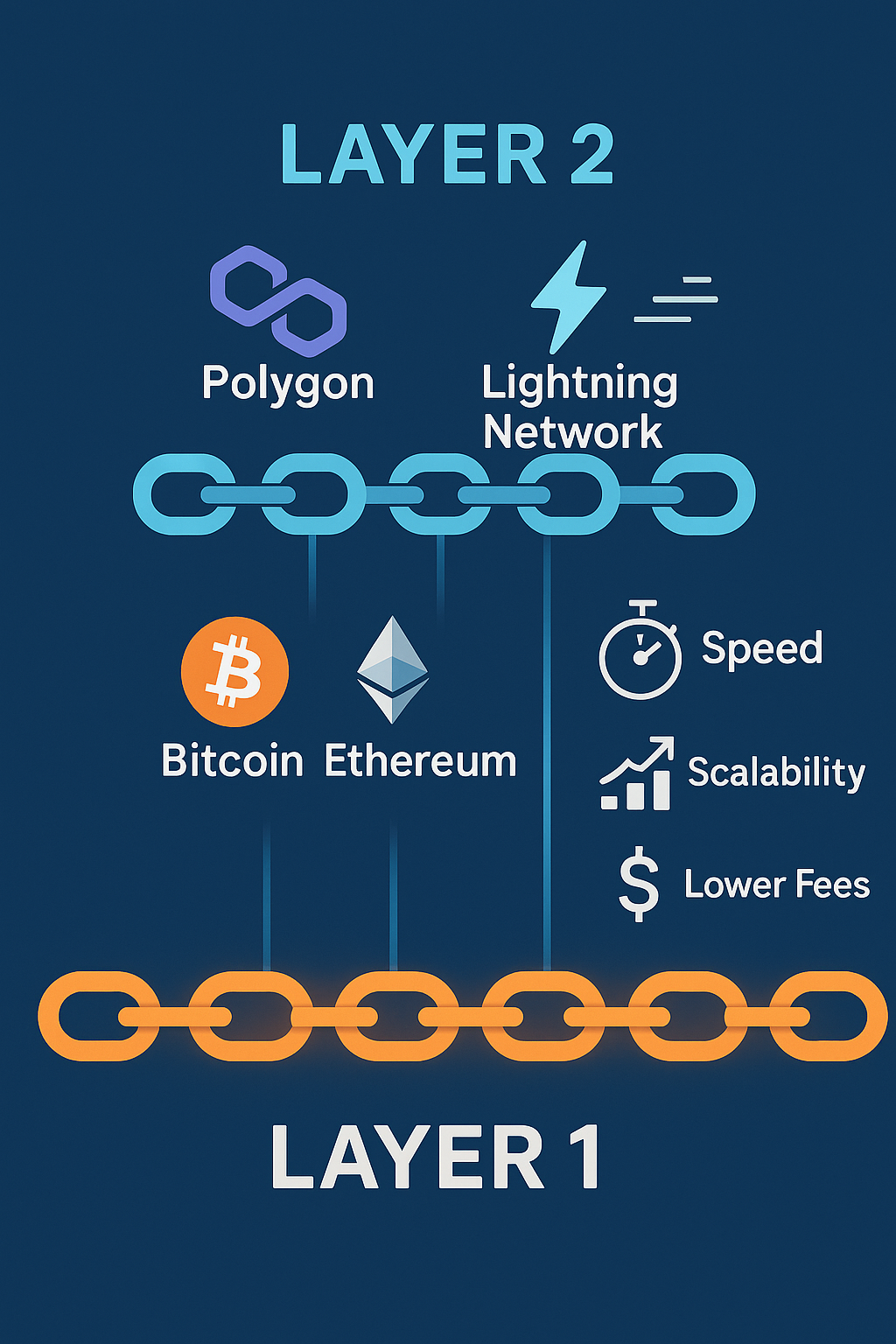
- Blockchain networks — such as Ethereum, Solana, and Polygon, which serve as the foundation for all Web3 activity
- Decentralized applications (dApps) — apps that run on blockchain instead of centralized servers
- Cryptocurrencies — digital currencies used for transactions and value transfer within the ecosystem
- Smart contracts — self-executing code that automates agreements without human intervention
- NFTs and tokenized assets — digital tokens that represent ownership of unique items or real-world assets
- Decentralized identity systems — tools that let users verify who they are without relying on a central authority
- Storage networks like IPFS — decentralized file storage that keeps data available without depending on a single server
- DAOs — community-led governance structures that replace traditional corporate decision-making
- Cross-chain tools and bridges — technology that allows different blockchain networks to communicate and share assets
| Feature | Web2 | Web3 |
|---|---|---|
| Data Control | Owned by corporations | Owned by users |
| Transactions | Requires intermediaries | Trustless via smart contracts |
| Governance | Centralized companies | Community via DAOs |
| Finance | Banks and institutions | DeFi platforms |
| Identity | Platform-controlled | User-controlled wallets |
Where Web3 Is Being Used Right Now
Web3 is no longer just a concept. It is actively powering several fast-growing industries across the world:
- Decentralized finance (DeFi) platforms — enabling lending, borrowing, and trading without banks
- Play-to-earn games — where players earn real cryptocurrency or NFTs as in-game rewards
- Metaverse projects — virtual worlds where users can own land, assets, and experiences
- Decentralized social media — platforms where users control their content and data
- Creator economy via NFTs — artists and creators can sell digital work directly to buyers without platforms taking large cuts
- Tokenization of real-world assets — turning physical assets like real estate or art into tradeable digital tokens
Each of these use cases is growing in adoption, making Web3 ecosystems increasingly relevant for businesses, developers, and everyday users alike.
Challenges and the Road Ahead for Web3
Web3 is promising, but it is not without challenges. Scalability remains a concern — some blockchain networks struggle to handle large volumes of transactions quickly. User experience is another hurdle, as interacting with dApps and wallets can still feel complex for newcomers.
Regulatory clarity is also evolving. Governments across the world, including India, are still working out how to approach cryptocurrencies, DeFi, and digital assets. Security risks such as smart contract bugs and phishing attacks targeting wallet users are real concerns that the ecosystem is actively working to address.
Despite these challenges, investment in Web3 infrastructure continues to grow. Developers are building better tools, networks like Ethereum are improving their efficiency, and user-friendly interfaces are making Web3 more accessible to a broader audience.
Web3 ecosystems represent a genuine shift in how the internet is structured — one that puts users at the centre rather than at the edges. As blockchain technology matures and adoption grows, understanding Web3 is becoming less of a niche interest and more of a practical necessity for anyone navigating the digital world.
Frequently Asked Questions
A Web3 ecosystem is a network of blockchain-based technologies — including smart contracts, cryptocurrencies, dApps, and DAOs — that together create a decentralized internet where users own and control their data, identity, and digital assets instead of corporations.
Web2 is the current internet where platforms like Google and Meta control user data and make decisions centrally. Web3 shifts that control to users through blockchain technology, allowing trustless transactions, community governance via DAOs, and true digital ownership through wallets and tokens.
Web3 ecosystems are actively used in decentralized finance (DeFi) for banking without banks, play-to-earn gaming, NFT-based creator economies, metaverse projects, decentralized social media, and tokenization of real-world assets like property and art.