Identity theft and data breaches have become serious concerns in a world where personal information is stored across countless digital platforms. Traditional identity verification systems rely on centralized databases, making them attractive targets for cybercriminals. Blockchain technology offers a fundamentally different approach — one that is decentralized, tamper-resistant, and puts users in control of their own data.
What Is Blockchain and Why Does It Matter for Identity?
Blockchain is a shared digital ledger that records transactions across a distributed network of computers. Instead of storing all data in one central location, it spreads information across multiple nodes, making it extremely difficult for any single party to alter or compromise the data.
For identity verification, this structure offers three core advantages:
- Decentralization: No single entity controls the data, which significantly reduces the risk of large-scale breaches.
- Immutability: Once information is recorded on a blockchain, it cannot be changed or deleted, ensuring long-term accuracy.
- Transparency: Authorized participants can view and verify transactions, building trust across the system.
How Blockchain Strengthens the Identity Verification Process
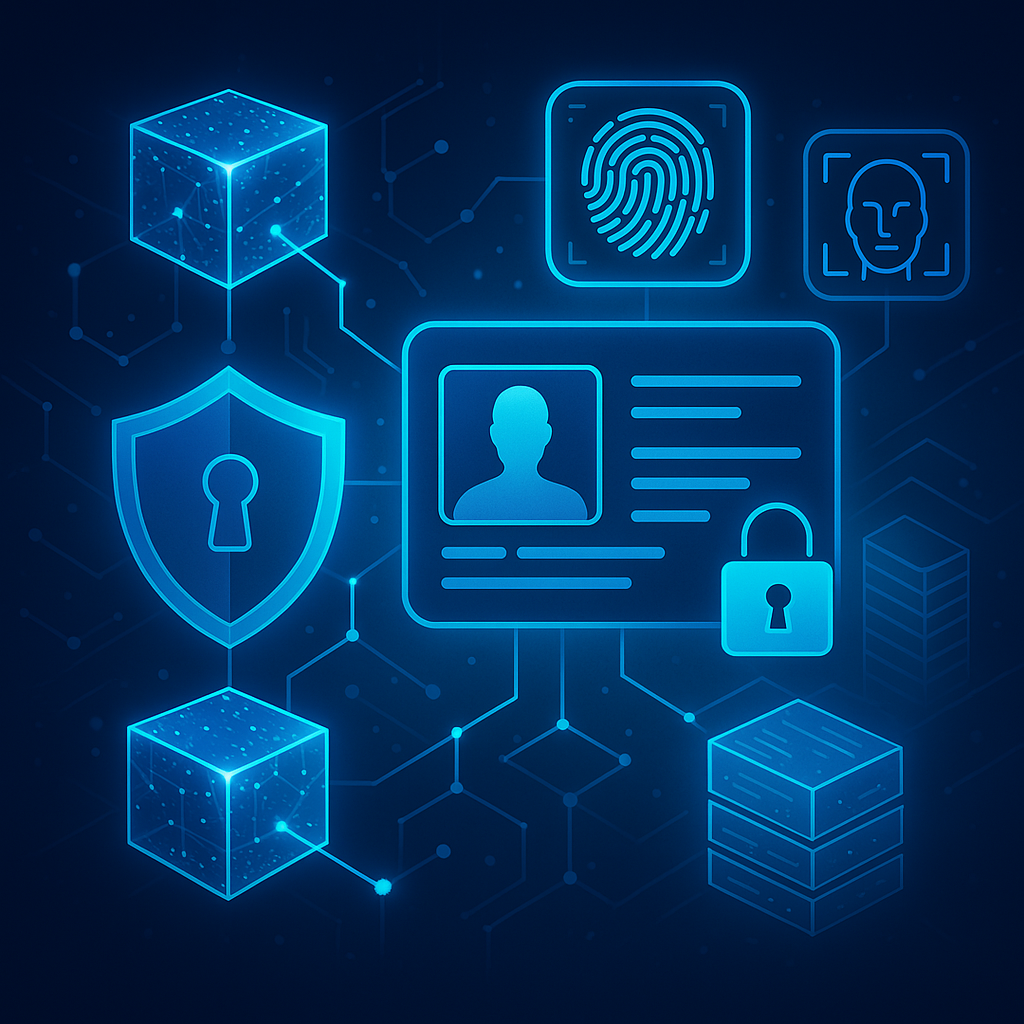
Traditional identity systems store sensitive personal data in central databases — a setup that has repeatedly proven vulnerable to hacking. Blockchain addresses this by distributing data so there is no single point of failure.
Beyond security, blockchain gives individuals direct control over their digital identities. Users can decide exactly what information they share and with whom, reducing unnecessary data exposure and improving privacy. This concept is often called self-sovereign identity.
Each identity on a blockchain is tied to a unique cryptographic digital signature. This makes it nearly impossible for fraudsters to impersonate someone else. Since records are immutable, verified data cannot be altered after the fact — adding another layer of protection against identity fraud.
Real-World Applications Across Key Sectors
Blockchain-based identity verification is already being explored and adopted across several industries:
| Sector | Use Case | Key Benefit |
|---|---|---|
| Banking and Finance | KYC (Know Your Customer) verification | Faster onboarding, reduced fraud |
| Healthcare | Patient identity and medical records | Secure access, improved patient safety |
| Government Services | Digital IDs for voting, taxes, welfare | Reduced identity theft, accurate benefit delivery |
| E-Commerce and Online Platforms | Secure logins and transactions | Lower fraud rates, safer user experience |
In banking, blockchain can accelerate KYC processes that currently take days or weeks, cutting costs and improving the customer experience. In healthcare, it ensures that only authorized medical staff can access patient records, protecting sensitive health data. Governments can use blockchain-based digital IDs to make public services more secure and efficient, while e-commerce platforms can reduce fraudulent transactions and account takeovers.
Challenges That Still Need to Be Addressed
Despite its clear potential, blockchain-based identity verification faces real obstacles before it can achieve widespread adoption:
- Regulatory Compliance: Any blockchain identity solution must align with data protection laws such as the GDPR in Europe and similar frameworks in other regions. The immutable nature of blockchain can sometimes conflict with the right to be forgotten under such laws.
- Integration with Existing Systems: Most organizations rely on legacy infrastructure. Migrating to or connecting with blockchain systems requires significant investment in both time and resources.
- User Adoption: For blockchain identity systems to work at scale, both individuals and institutions need to understand and trust the technology. Building that confidence takes time and education.
What the Future Looks Like for Blockchain Identity Systems
The push toward decentralized identity solutions is gaining momentum globally. Several governments and private sector organizations are already piloting blockchain-based digital ID programs. As regulatory frameworks mature and technology becomes more accessible, these systems are expected to become more mainstream.
The combination of self-sovereign identity, cryptographic security, and decentralized data storage positions blockchain as one of the most promising tools for solving the identity verification challenges of the digital era. For individuals, it means greater privacy and control. For businesses and governments, it means more reliable, fraud-resistant verification processes.
Blockchain will not replace every existing identity system overnight, but its adoption is likely to grow steadily as the limitations of centralized databases become harder to ignore. Organizations that begin exploring blockchain-based identity solutions now will be better positioned to protect their users and comply with evolving data security standards in the years ahead.
Frequently Asked Questions
Traditional identity systems store data in centralized databases that are vulnerable to hacking. Blockchain distributes data across multiple nodes, making it extremely difficult to alter or breach. Each identity is tied to a unique cryptographic signature, and once data is recorded, it cannot be changed, making verification more secure and reliable.
Self-sovereign identity refers to a model where individuals have full control over their own digital identity data. Using blockchain, users can decide what personal information to share and with whom, without relying on a central authority like a government database or a tech company to manage their credentials.
The key challenges include regulatory compliance — particularly aligning with laws like GDPR — integrating blockchain with existing legacy systems, and achieving broad user adoption. Organizations also need to invest time and resources to transition to blockchain-based identity infrastructure.