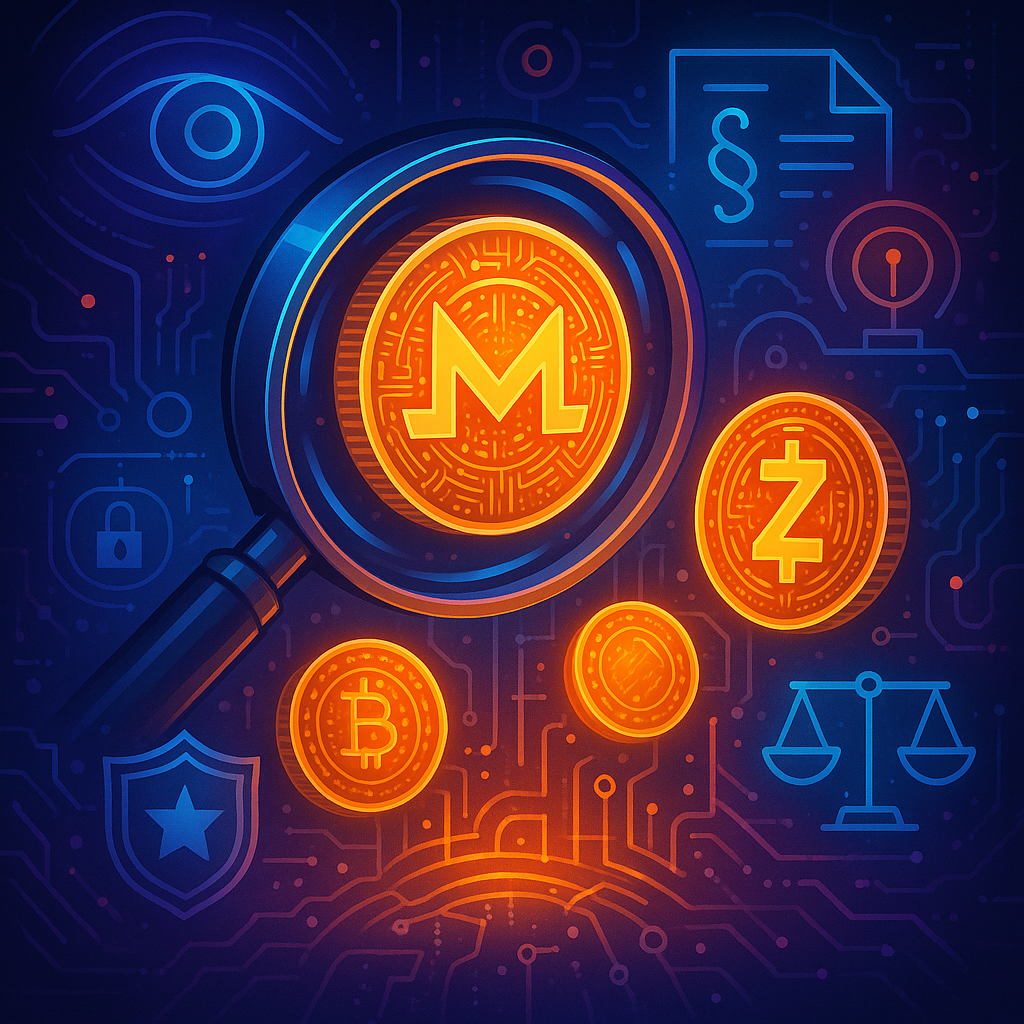
Privacy coins have long offered users a way to conduct financial transactions without leaving a visible trail. But as governments tighten their grip on the cryptocurrency sector, coins like Monero (XMR) and Zcash (ZEC) are facing serious regulatory challenges. The debate between financial privacy and legal compliance is heating up — and the outcome could reshape the future of anonymous digital currencies.
What Are Privacy Coins and How Do They Work?
Privacy coins are a category of cryptocurrencies designed to offer stronger anonymity than mainstream options like Bitcoin or Ethereum. While Bitcoin transactions are recorded on a public blockchain that anyone can view, privacy coins use advanced cryptographic techniques to conceal key transaction details.
Specifically, privacy coins hide:
- The sender’s identity — who is sending the funds
- The receiver’s identity — who is receiving the funds
- The transaction amount — how much is being transferred
- Wallet addresses — which accounts are involved
This level of confidentiality appeals to individuals who value financial privacy, as well as people living in countries where financial freedom is restricted or surveillance is widespread.
Major Privacy Coins: Monero, Zcash, Dash, Beam, and Grin
Several privacy-focused cryptocurrencies exist today, each using different methods to protect user data.
| Coin | Privacy Method | Privacy Type |
|---|---|---|
| Monero (XMR) | Ring Signatures, Stealth Addresses | Private by default |
| Zcash (ZEC) | zk-SNARKs (zero-knowledge proofs) | Optional (transparent or shielded) |
| Dash | CoinJoin mixing | Optional privacy |
| Beam | MimbleWimble protocol | Private by default |
| Grin | MimbleWimble protocol | Private by default |
Monero is widely considered the most private of all, using Ring Signatures to mix transaction data and Stealth Addresses to prevent wallet tracking. Zcash takes a more flexible approach, allowing users to choose between transparent and shielded transactions using zk-SNARKs — a zero-knowledge proof system that verifies data without actually revealing it.
Why Regulators Are Targeting Privacy Coins
Governments and financial regulators across the world are increasingly concerned that privacy coins can be misused for illegal purposes. The main worries include:
- Money laundering — hiding the origins of illegally obtained funds
- Tax evasion — concealing income or assets from tax authorities
- Dark web transactions — buying or selling illegal goods anonymously
- Terrorism financing — funding illegal activities without detection
Because privacy coins make transaction tracking extremely difficult — or in some cases impossible — they conflict directly with global financial compliance frameworks such as AML (Anti-Money Laundering) regulations and KYC (Know Your Customer) requirements. These rules require financial institutions to verify user identities and monitor transactions for suspicious activity.
How Different Countries Are Responding
The global regulatory response to privacy coins has been varied but is generally moving toward stricter controls.
- United States: The Internal Revenue Service (IRS) has offered financial rewards to contractors who can break Monero’s privacy features, signaling how seriously US regulators view the threat posed by untraceable transactions.
- European Union: The EU’s Markets in Crypto Assets (MiCA) framework does not explicitly ban privacy coins, but its transparency requirements could effectively restrict their use on regulated platforms.
- South Korea and Japan: Both countries have gone further, with major exchanges in these nations delisting privacy coins entirely to comply with local financial laws.
As compliance pressure grows, many cryptocurrency exchanges worldwide are voluntarily removing privacy coins from their platforms to avoid legal trouble. This reduces the accessibility of these coins for everyday users and limits their liquidity.
The Tension Between Privacy Rights and Legal Compliance
At the core of this debate is a fundamental question: Is financial privacy a right or a risk?
Supporters of privacy coins argue that financial confidentiality is a basic digital right, especially in an era of mass surveillance and data breaches. They point out that cash transactions have always been private, and digital currencies should offer the same protection.
Regulators, on the other hand, argue that anonymous transactions create serious security risks and make it harder to fight financial crime. They want the ability to trace funds when investigating illegal activity.
Some projects are trying to find a middle ground. Zcash, for example, offers optional transparency — users can choose to make transactions visible when required by law. Monero, however, keeps all transactions private by default, which makes it a much bigger target for regulators and law enforcement agencies.
What Could Happen Next for Privacy Coins?
The road ahead for privacy coins is uncertain, but several possible directions are emerging:
- Decentralization as a shield: Because privacy coins operate on decentralized networks, outright bans may be difficult to enforce. Users can still access them through peer-to-peer platforms even if exchanges delist them.
- Hybrid privacy models: New coins or updated protocols may offer privacy features alongside optional compliance tools, allowing users to share transaction data with authorities when legally required.
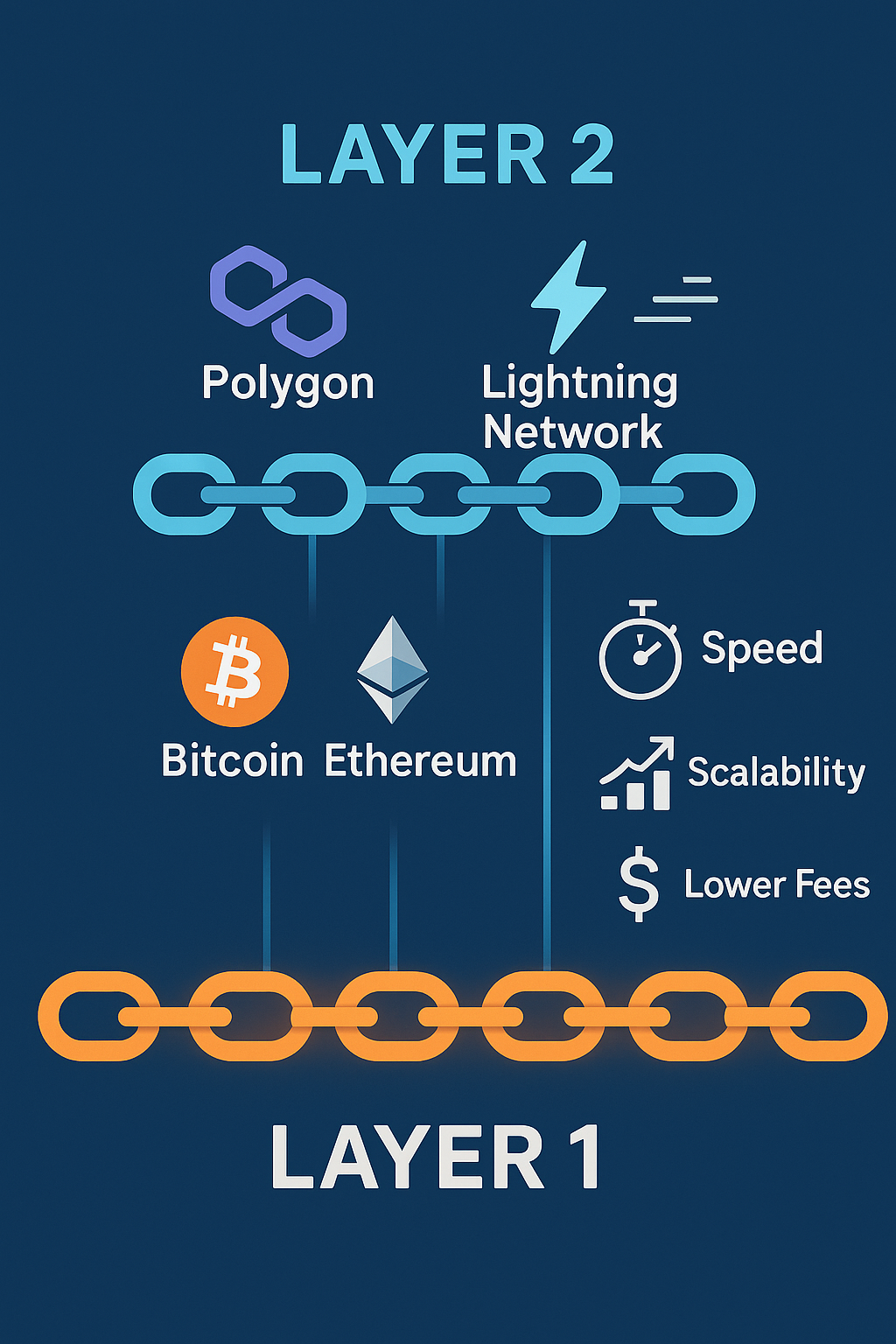
- Privacy features in mainstream coins: Technologies like layer-2 solutions and coin-mixing tools could bring stronger privacy to Bitcoin and Ethereum, reducing the need for dedicated privacy coins.
- Continued delistings: More exchanges may remove privacy coins as regulations tighten globally, making them harder to buy and sell through mainstream platforms.
Widespread adoption of privacy coins will likely remain limited unless a workable balance between user privacy and regulatory oversight can be found. The outcome of this ongoing tension will have significant implications not just for privacy coins, but for the broader principle of financial privacy in the digital world.
For now, Monero, Zcash, and their counterparts remain at the center of one of the most important debates in the cryptocurrency space — one that touches on technology, law, civil liberties, and the future of money itself.
Frequently Asked Questions
Monero uses Ring Signatures and Stealth Addresses to make all transactions private by default. Zcash, on the other hand, gives users a choice between transparent and shielded transactions using zk-SNARKs technology. This means Monero offers stronger default privacy, while Zcash is more flexible for regulatory compliance.
Privacy coins are not universally illegal, but their legal status varies by country. Countries like South Korea and Japan have delisted them from exchanges. The EU's MiCA framework may restrict their use, and the US IRS has actively worked to trace Monero transactions. Holding or using privacy coins may still be legal in many places, but access through regulated exchanges is becoming more limited.
Privacy coins may survive due to their decentralized nature, which makes outright bans hard to enforce. However, widespread mainstream adoption will be difficult unless hybrid models emerge that balance user privacy with legal compliance requirements like AML and KYC. Some experts believe privacy features could also be integrated into mainstream coins like Bitcoin through layer-2 technologies.