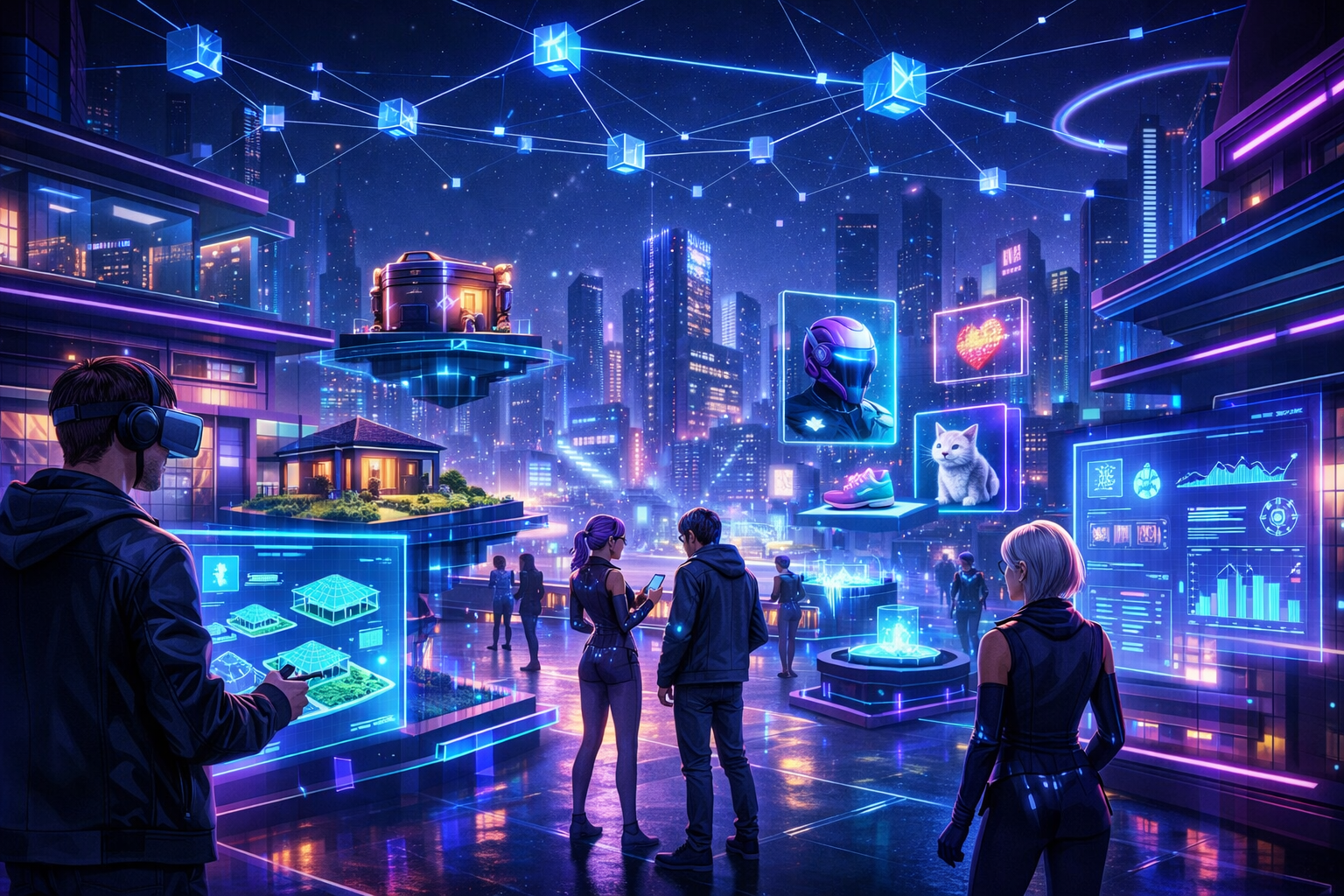
The metaverse is no longer just a concept from science fiction. It is becoming a real digital space where people work, shop, socialize, and build businesses. At the heart of this virtual world lies a growing economy — one that is powered by blockchain technology. Understanding how this works can help you see why so many creators, investors, and brands are paying close attention.
What Is a Metaverse Economy?
A metaverse economy functions much like the real-world economy, but entirely within a virtual environment. Users can buy and sell digital items such as avatar clothing, virtual land, collectibles, and in-game assets.
These transactions happen between real people using real money — often in the form of cryptocurrency. The economy is driven by supply and demand, just like any traditional market. What makes it different is that everything exists digitally, and ownership is verified through blockchain technology.
How Blockchain Makes Virtual Transactions Secure
Blockchain acts as a transparent, tamper-proof digital record book. Every time a user buys or sells something in the metaverse, that transaction is recorded on the blockchain. No single person or company controls this record, which means the data cannot be altered or manipulated.
This removes the need for middlemen like banks or payment processors. Users get direct control over their digital assets, and transactions are faster, more transparent, and more secure. Key benefits of blockchain in the metaverse include:
- Transparency: All transactions are publicly visible and verifiable.
- Security: Data stored on the blockchain cannot be changed or deleted.
- Decentralisation: No central authority controls the system.
- Global access: Anyone with an internet connection can participate.
- User ownership: Assets belong to the user, not the platform.
NFTs and the Concept of True Digital Ownership
Non-fungible tokens, or NFTs, are unique digital tokens stored on the blockchain. They serve as proof of ownership for digital items in the metaverse. When you purchase a piece of virtual land or a digital outfit, it is recorded as an NFT in your digital wallet.
This is a significant shift from traditional online platforms where the platform itself owns everything. With NFTs, users have real ownership. They can hold, sell, or trade their assets freely without needing permission from any company.
For example, platforms like Decentraland and The Sandbox allow users to buy virtual land as NFTs. These plots of land have been sold for thousands of dollars, with some prime locations fetching even higher prices.
Virtual Land, Business, and the Creator Economy
Virtual real estate is one of the fastest-growing segments of the metaverse economy. Brands and individuals are purchasing digital land to build shops, offices, galleries, and event venues.
Major companies have already set up a presence in virtual worlds. Users can explore digital stores, attend virtual concerts, and even rent out their virtual spaces to earn income. This has created a new kind of creator economy where users are not just consumers — they are also earners and entrepreneurs.
Here is a quick comparison of how the traditional economy and metaverse economy differ:
| Feature | Traditional Economy | Metaverse Economy |
|---|---|---|
| Ownership Proof | Physical documents or platform records | NFTs on blockchain |
| Currency | Fiat money | Cryptocurrency |
| Middlemen | Banks, brokers | Minimal or none |
| Access | Location-dependent | Global and borderless |
| Earning Models | Jobs, trade, investment | Play-to-earn, create-to-earn, rent |
Challenges Facing Metaverse Economies Today
Despite the excitement, metaverse economies still face real hurdles. Some of the most common challenges include:
- High entry costs: Some digital assets and virtual land parcels are priced beyond the reach of average users.
- Regulatory uncertainty: Governments around the world are still figuring out how to regulate digital assets and virtual transactions.
- Technical barriers: Understanding blockchain, crypto wallets, and NFTs can be confusing for new users.
- Market volatility: The value of digital assets can change rapidly, creating financial risk.
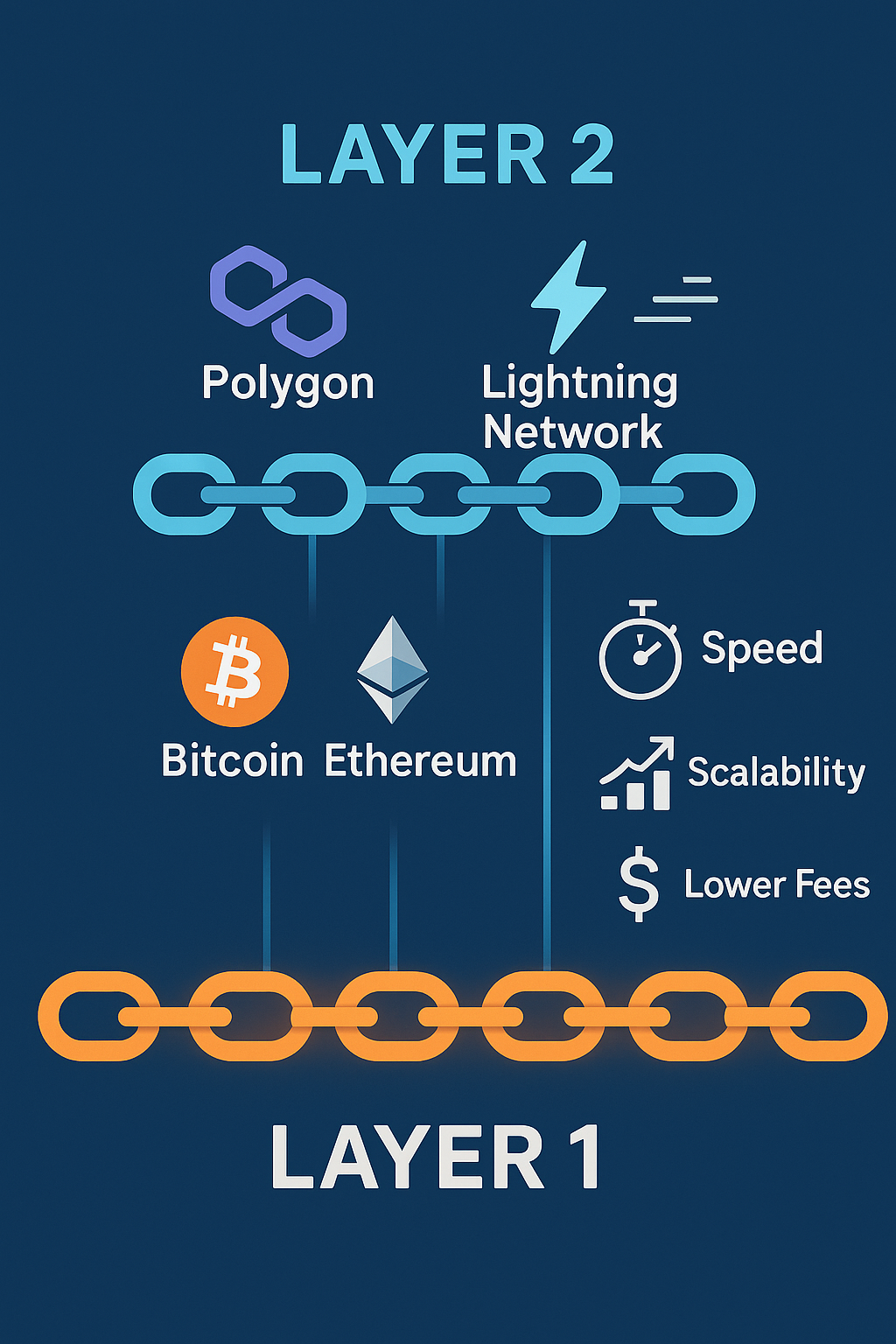
- Scalability issues: Some blockchain networks face speed and cost challenges during high-traffic periods.
These challenges are real, but they are not permanent. As technology matures and regulations become clearer, the barriers to entry are expected to lower significantly.
What the Future Holds for Blockchain-Powered Virtual Worlds
The future of metaverse economies looks strong. As virtual reality and augmented reality hardware improves, the metaverse experience will become more immersive and accessible. More businesses are expected to establish a digital presence, and more users will explore earning opportunities within these virtual spaces.
Web3 technologies, which include blockchain, decentralised finance, and NFTs, are expected to form the backbone of the next generation of the internet. The metaverse is a key part of that vision — a space where digital and real-world economies increasingly overlap.
In conclusion, blockchain-powered metaverse economies are reshaping how people think about ownership, work, and commerce in the digital world. Whether you are a creator, investor, or curious user, understanding this space today puts you ahead of a shift that is already well underway.
Frequently Asked Questions
A metaverse economy is a virtual economic system within a digital world where users can buy, sell, and trade digital assets such as virtual land, avatar items, and collectibles using cryptocurrency and blockchain technology.
Blockchain provides a secure, transparent, and tamper-proof record of all transactions in the metaverse. It removes the need for middlemen, ensures digital ownership through NFTs, and allows users from anywhere in the world to participate freely.
Yes. Users can earn money in the metaverse through play-to-earn games, selling digital creations like clothing or buildings as NFTs, renting virtual land, and hosting paid events or experiences in virtual spaces.