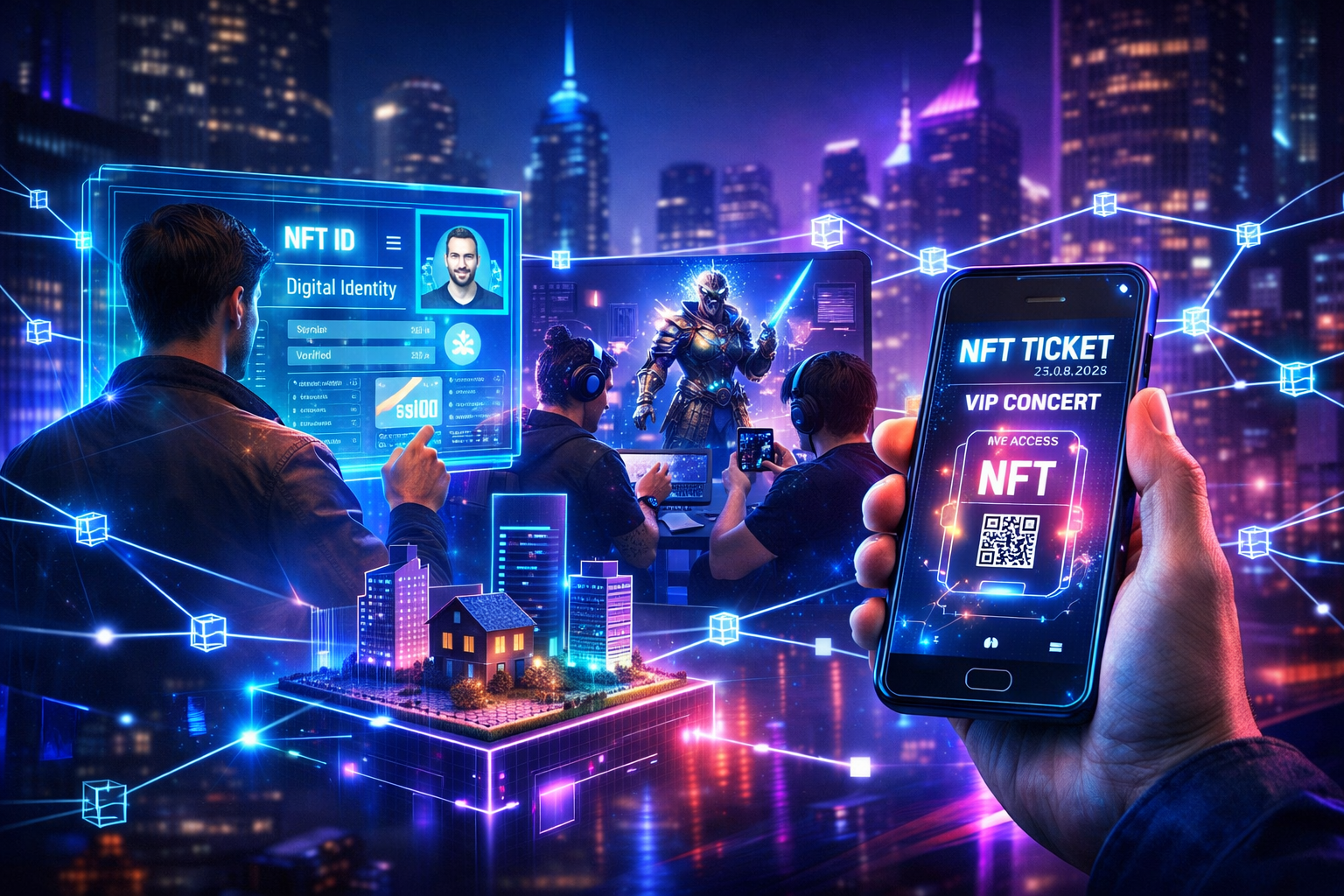
Most people still associate NFTs with expensive digital art and speculative trading. But a new wave of NFTs is changing that perception fast. Called Utility NFTs, these tokens are built to offer real, practical benefits — from gaming rewards to event tickets and even digital identity. Here is a clear look at what utility NFTs are, how they work, and why they matter.
What Are Utility NFTs?
A utility NFT is a blockchain-based token that gives its holder access to something useful — not just ownership of a digital image. Think of it as a digital key that opens doors to services, memberships, experiences, or exclusive content.
Unlike collectible NFTs that derive value purely from rarity or aesthetics, utility NFTs are designed with a specific function in mind. Their value comes from what they allow you to do, not just what they look like.
- They can grant access to events, platforms, or communities
- They can represent membership in a brand loyalty program
- They can serve as verifiable credentials or identity documents
- They can represent ownership of physical or digital assets
NFTs in Gaming: Players Now Truly Own Their Items
Gaming is one of the fastest-growing areas for utility NFTs. In traditional games, items like weapons, skins, or characters are owned by the game company — not the player. If the game shuts down, those items disappear.
With NFT-based gaming, players truly own their in-game assets. A rare sword or a unique character skin stored as an NFT can be sold, traded, or transferred to another game that supports the same blockchain standard.
This gives real monetary value to time spent gaming and creates a new kind of digital economy around play-to-earn models. Games built on blockchain networks are already attracting millions of players globally.
NFT Tickets, Memberships, and Brand Loyalty
Utility NFTs are also reshaping how events and brands connect with their audiences.
Event Tickets: Instead of paper tickets or QR codes, NFT tickets stored on a blockchain cannot be duplicated or forged. Concertgoers and sports fans can hold NFT tickets that also unlock VIP perks, backstage access, or exclusive merchandise. Organizers benefit from transparent resale tracking and reduced fraud.
Brand Memberships: Several brands are now issuing NFTs as digital membership cards. Holding a specific NFT can give customers early access to product launches, exclusive discounts, or special community events. This builds a stronger, more loyal customer base compared to traditional loyalty points.
| Use Case | Traditional Method | Utility NFT Advantage |
|---|---|---|
| Event Tickets | Paper or QR code tickets | Fraud-proof, transferable, includes perks |
| Membership Cards | Physical or app-based cards | Blockchain-verified, tradeable, exclusive access |
| Game Items | Owned by game company | Truly owned by player, sellable anytime |
| Property Ownership | Paper deeds, legal documents | Transparent, accessible, fractional ownership |
Digital Identity and Real Estate: Bigger Applications Ahead
Digital Identity: Utility NFTs could replace traditional passwords and identity verification systems. Using blockchain, a person can log into platforms, verify their credentials, and control their personal data — all without relying on a central authority. This approach offers stronger privacy and reduces the risk of data breaches.
Real Estate: Property transactions are typically slow, expensive, and paper-heavy. NFTs can represent ownership of a property or even a fractional share of it. This makes real estate investment more accessible to ordinary people and speeds up the buying and selling process through smart contracts on the blockchain.
Looking further ahead, utility NFTs could also be used for education certificates, job verification records, and everyday financial transactions — making them a foundational part of the Web3 ecosystem.
Benefits, Challenges, and What to Watch Out For
Utility NFTs bring several clear advantages:
- Security: Stored on blockchain, they are tamper-proof and verifiable
- Transparency: Ownership history and transaction records are publicly accessible
- Real-world value: They connect blockchain technology to practical daily use
- New income opportunities: Players, creators, and investors can earn through NFT ecosystems
However, there are genuine challenges that cannot be ignored:
- Many users still lack awareness of how utility NFTs work
- Regulatory frameworks around NFTs and crypto remain unclear in many countries, including India
- The broader cryptocurrency market remains volatile, which can affect NFT values
- Technical barriers like wallet setup and gas fees can discourage new users
Education and clear regulation will be key to making utility NFTs mainstream. Businesses and governments both have a role to play in building trust around this technology.
Utility NFTs represent a genuine shift in how blockchain technology is being applied. They move the conversation away from speculation and toward practical, everyday use. Whether it is owning a game character, attending a concert with a fraud-proof ticket, or verifying your identity online, utility NFTs are quietly building the infrastructure for a more connected digital world. As awareness grows and regulations catch up, their role in daily life is only set to expand.
Frequently Asked Questions
A utility NFT is a blockchain token that gives its holder access to a real benefit such as event entry, game items, membership perks, or digital identity verification. Unlike regular collectible NFTs that are valued mainly for their appearance or rarity, utility NFTs are valued for what they allow you to do.
Utility NFTs stored on a blockchain are tamper-proof and verifiable, which makes them secure by design. However, buyers should be cautious about the platform they use, check for regulatory compliance in their country, and be aware that the broader crypto market can be volatile.
Yes, utility NFTs can technically be used in India, but the regulatory framework around NFTs and cryptocurrencies is still evolving. Indian users should stay updated on government guidelines from SEBI and the Finance Ministry before making significant investments in NFTs.