
Software development has changed dramatically over the past decade. Applications are now cloud-based, globally connected, and constantly under threat from cyberattacks. DevSecOps is the approach that brings security directly into the software development process — not as an afterthought, but as a core part of every stage. Here is a complete look at what DevSecOps means, how it works, and why it matters for businesses and developers today.
What Is DevSecOps and Why Does It Exist?
DevSecOps stands for Development, Security, and Operations. It is a modern software engineering practice where security is built into every phase of the development lifecycle — from planning and coding to testing, deployment, and beyond.
Traditionally, security was treated as a final checkpoint before software was released. Teams would build the product first and then hand it over to a security team for review. This approach was slow, expensive, and often led to serious vulnerabilities being discovered too late.
DevSecOps changes this by making security a shared responsibility across all teams. Developers, security professionals, and operations staff work together from day one. The result is software that is faster to build and safer to use.
The Shift-Left Security Approach: Catching Problems Early
One of the most important ideas in DevSecOps is shift-left security. The term refers to moving security checks earlier in the development process — to the left on a project timeline.
Instead of waiting until the software is complete, teams run security checks during the coding and testing phases. This means vulnerabilities are found and fixed while they are still small and manageable. Fixing a security flaw during development costs far less — in time and money — than fixing one after a product has already been deployed.
Key practices in shift-left security include:
- Running automated code scans during development
- Performing security testing alongside functional testing
- Reviewing code for known vulnerability patterns before merging
- Training developers to write secure code from the start
How Automation Powers DevSecOps
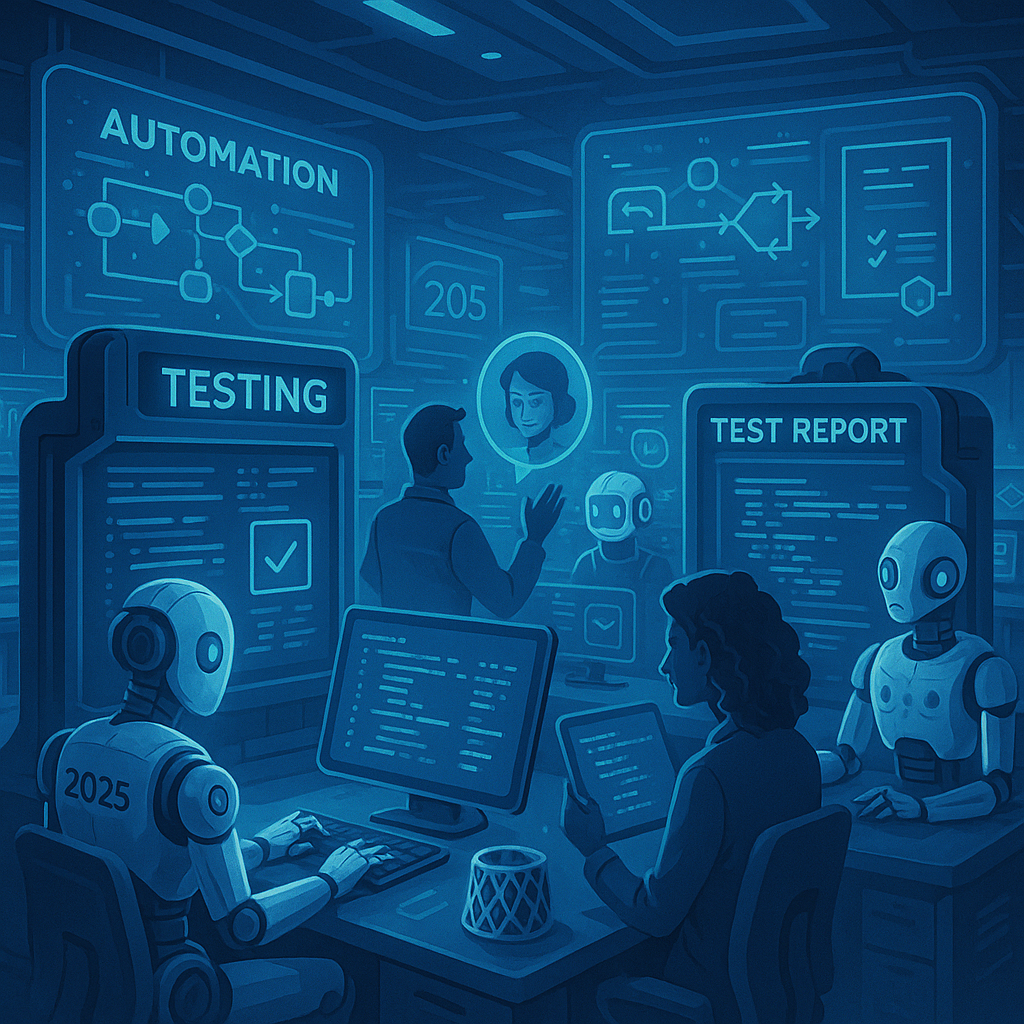
Automation is at the heart of a working DevSecOps framework. Without it, adding security to every stage of development would slow teams down significantly. Automated tools handle much of the heavy lifting, allowing developers to focus on building features while security checks run in the background.
Common automated security tasks in a DevSecOps pipeline include:
- Static Application Security Testing (SAST): Scans source code for vulnerabilities without running the application
- Dynamic Application Security Testing (DAST): Tests running applications for security weaknesses
- Software Composition Analysis (SCA): Checks open-source libraries and dependencies for known flaws
- Container and infrastructure scanning: Identifies misconfigurations in cloud environments
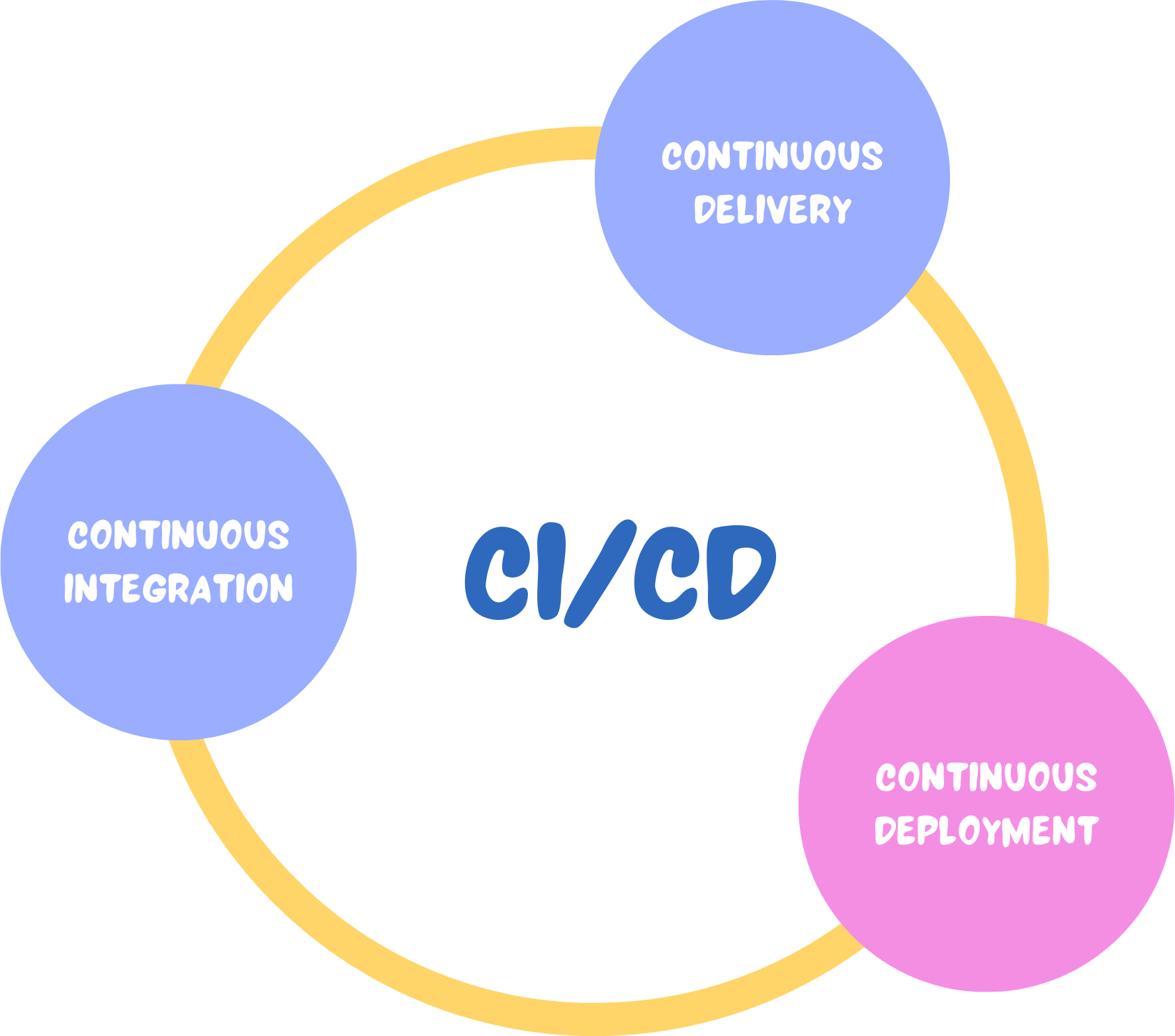
These tools integrate directly into CI/CD pipelines, meaning every code change is automatically checked before it moves forward. This keeps the development pace high while maintaining strong security standards.
Continuous Monitoring and Collaboration: Security After Deployment
DevSecOps does not end when software goes live. Continuous monitoring is a critical part of the process. Once an application is deployed, it is watched around the clock for unusual activity, new threats, or signs of a breach.
This ongoing vigilance allows teams to respond quickly when something goes wrong. Rather than discovering a problem weeks after it happens, continuous monitoring can flag an issue within minutes.
Equally important is the culture of collaboration that DevSecOps promotes. Security is no longer the sole responsibility of a dedicated security team. Instead:
- Developers take ownership of writing secure code
- Operations teams ensure secure configurations in production
- Security experts provide guidance, tools, and oversight throughout
This shared responsibility model reduces communication gaps, speeds up decision-making, and leads to better overall software quality.
Benefits of Security-Driven Software Engineering for Businesses
Adopting a DevSecOps approach delivers real, measurable advantages for organisations of all sizes. Here is a comparison of traditional development versus security-driven development:
| Aspect | Traditional Development | DevSecOps Approach |
|---|---|---|
| Security timing | End of development cycle | Every stage of development |
| Vulnerability detection | Late, costly to fix | Early, cheaper to resolve |
| Team responsibility | Security team only | Shared across all teams |
| Release speed | Slower due to late reviews | Faster with automated checks |
| Compliance | Harder to maintain | Built into the process |
Beyond the technical gains, security-driven software engineering builds customer trust. Users are more likely to rely on products from companies that take data protection seriously. It also helps businesses meet regulatory compliance requirements, avoiding penalties and reputational damage.
The Road Ahead: Why DevSecOps Will Only Grow in Importance
Cyber threats are growing in both volume and sophistication. Ransomware attacks, data breaches, and supply chain vulnerabilities have affected organisations across every industry. As software systems become more complex — with microservices, containers, and multi-cloud environments — the attack surface only expands.
Companies that embed security into their development culture are far better positioned to handle these challenges. DevSecOps is not a one-time project. It is an ongoing commitment to building software that is reliable, compliant, and resilient against threats.
As more organisations adopt cloud-native architectures and accelerate their digital operations, DevSecOps will become a standard expectation rather than a competitive advantage.
In short, security-driven software engineering is the responsible path forward for any team that builds, maintains, or depends on software in a connected world. By treating security as a foundation rather than a feature, businesses can deliver faster, safer, and more trustworthy products to their users.