Owning a share of a luxury apartment or a famous painting once required serious wealth. Today, blockchain technology is changing that reality through a process called tokenization. By converting physical assets into digital tokens, tokenization is opening up investment opportunities to a much wider audience — and reshaping how assets are bought, sold, and managed.
What Is Tokenization of Real-World Assets?
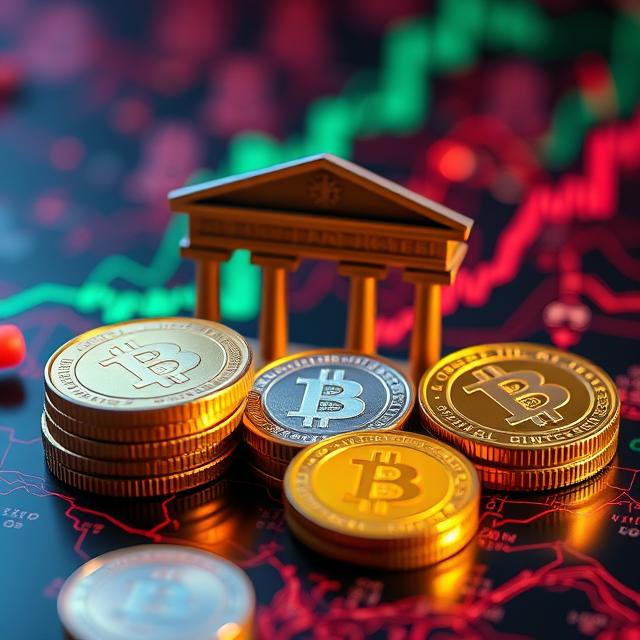
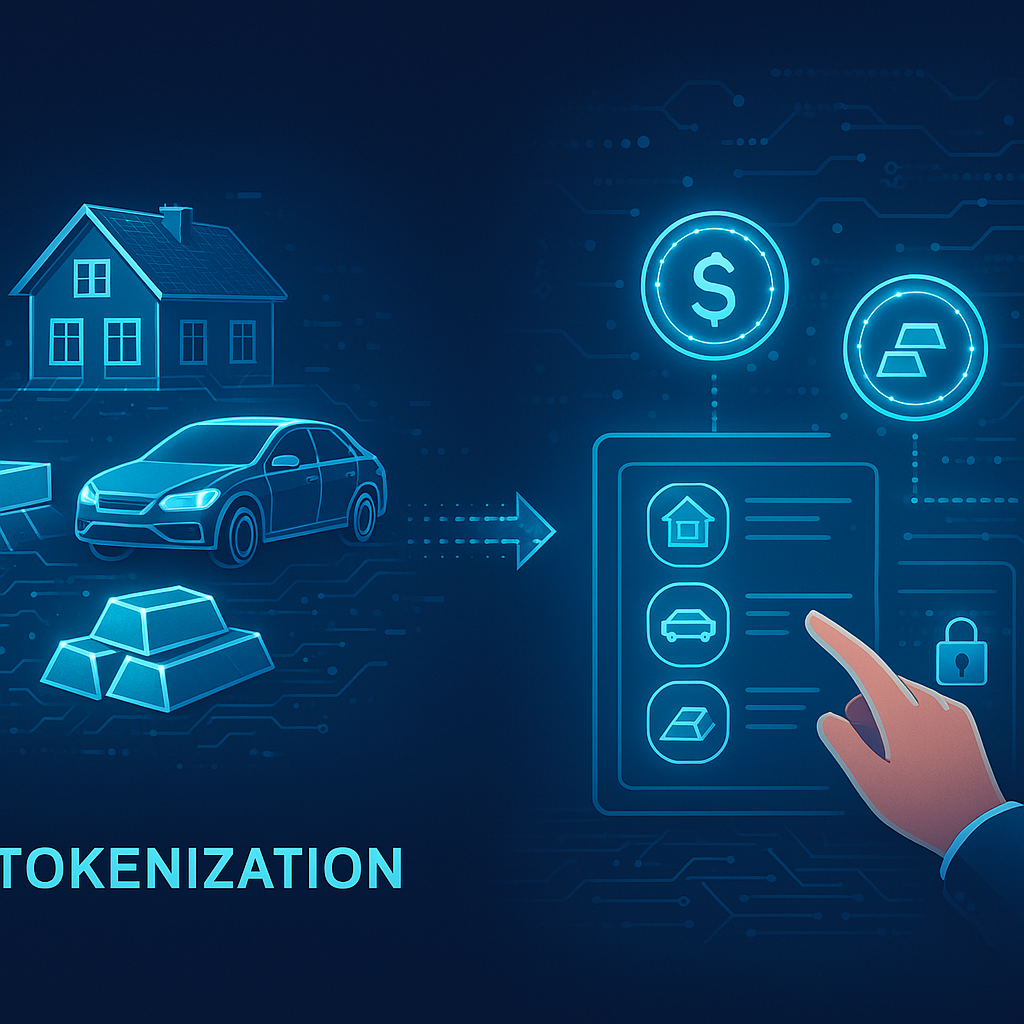
Tokenization is the process of converting a real-world asset — such as property, artwork, gold, or company shares — into a digital token stored on a blockchain. Each token represents a fractional ownership stake in that asset.
Think of it like slicing a pie. Instead of one person buying the whole pie, many people can each own a slice. This makes high-value assets accessible to investors who could not previously afford them outright.
The blockchain acts as a secure, transparent ledger that records every transaction. This means ownership records are tamper-resistant and easy to verify at any time.
How Does Tokenization Work? A Step-by-Step Breakdown
The tokenization process follows a clear sequence:
- Select the Asset: The asset to be tokenized is identified — this could be real estate, fine art, commodities like gold or oil, or business equity.
- Create Digital Tokens: Digital tokens representing the asset are created and issued on a blockchain network.
- Divide Ownership: The asset is split into multiple tokens, allowing several investors to hold fractional shares simultaneously.
- Trade on Digital Platforms: Token holders can buy, sell, or transfer their tokens on digital marketplaces with significantly less paperwork and fewer intermediaries than traditional asset trading.
Smart contracts — self-executing agreements coded on the blockchain — often automate key steps like dividend distribution, ownership transfers, and compliance checks, reducing the need for middlemen.
Key Benefits of Tokenizing Real-World Assets
Tokenization brings several practical advantages for both investors and asset owners:
| Benefit | What It Means for You |
|---|---|
| Improved Liquidity | Assets like property that are traditionally hard to sell can now be traded faster and with less friction. |
| Fractional Ownership | Investors can buy small portions of expensive assets without needing large capital. |
| Global Access | Anyone with an internet connection can invest, regardless of their location. |
| Transparency and Security | All transactions are recorded on the blockchain, making them secure and publicly verifiable. |
| Faster Settlements | Trades can settle in minutes rather than days, reducing counterparty risk. |
Real-Life Use Cases of Asset Tokenization
Tokenization is already being applied across several sectors:
- Real Estate: Investors can purchase fractional shares of high-value residential or commercial properties without buying the entire building. This lowers the entry barrier significantly.
- Art and Collectibles: Rare paintings, sculptures, and antiques can be co-owned by multiple investors through tokenized shares, making the art market more inclusive.
- Commodities: Physical commodities like gold, silver, and oil can be tokenized, making trading simpler and more accessible to retail investors.
- Business Shares: Companies — especially startups — can issue tokenized equity to raise capital quickly from a global pool of investors.
- Farmland and Infrastructure: Agricultural land and infrastructure projects are emerging as new frontiers for tokenized investment.
Challenges and Risks to Consider
Despite its promise, tokenization comes with real challenges that investors and businesses must understand before participating:
- Regulatory Uncertainty: Many countries, including India, are still developing clear legal frameworks for tokenized assets. Rules around ownership rights, taxation, and investor protection remain unsettled in several jurisdictions.
- Technical Complexity: Setting up and managing digital wallets, understanding blockchain networks, and navigating token platforms can be confusing for first-time users.
- Token Valuation: Determining a fair market price for digital tokens — especially for unique assets like art — can be difficult and subjective.
- Cybersecurity Risks: Like all digital systems, blockchain platforms are not entirely immune to hacking, smart contract bugs, or platform failures.
What the Future Holds for Tokenization
The tokenization of real-world assets is still in its early stages, but momentum is building rapidly. Financial institutions, technology companies, and regulators around the world are paying close attention.
As legal frameworks mature and blockchain technology becomes more user-friendly, tokenization is expected to expand into new asset classes — from sports teams and music royalties to farmland and infrastructure bonds. Global consulting firms have projected that the tokenized asset market could grow into the trillions of dollars over the next decade, though exact timelines depend heavily on regulatory progress.
For Indian investors, this trend is particularly relevant as the country’s digital infrastructure grows and interest in alternative investments rises. Keeping an eye on regulatory developments from bodies like SEBI and RBI will be important for anyone looking to participate in this space.
Tokenization is not a distant concept — it is already reshaping how assets are owned and traded. Understanding the basics now puts investors and businesses in a stronger position to benefit as the market matures.
Frequently Asked Questions
Real-world asset tokenization is the process of converting a physical asset — such as property, gold, or artwork — into digital tokens on a blockchain. Each token represents a fractional share of that asset, allowing multiple people to own and trade portions of it easily.
India does not yet have a comprehensive legal framework specifically for tokenized real-world assets. Regulatory bodies like SEBI and RBI are still developing guidelines. Investors should stay updated on regulatory announcements before participating in tokenized asset platforms.
A wide range of assets can be tokenized, including real estate, fine art, collectibles, gold and other commodities, company shares, farmland, and even sports teams. Essentially, any asset with measurable value can potentially be represented as a digital token on a blockchain.