Digital document signing has become common across industries, but questions around security and authenticity remain. Blockchain-based e-signatures are emerging as a powerful answer to these concerns, offering a tamper-proof, transparent, and globally accessible way to sign legal agreements online.
What Are Blockchain-Based e-Signatures?
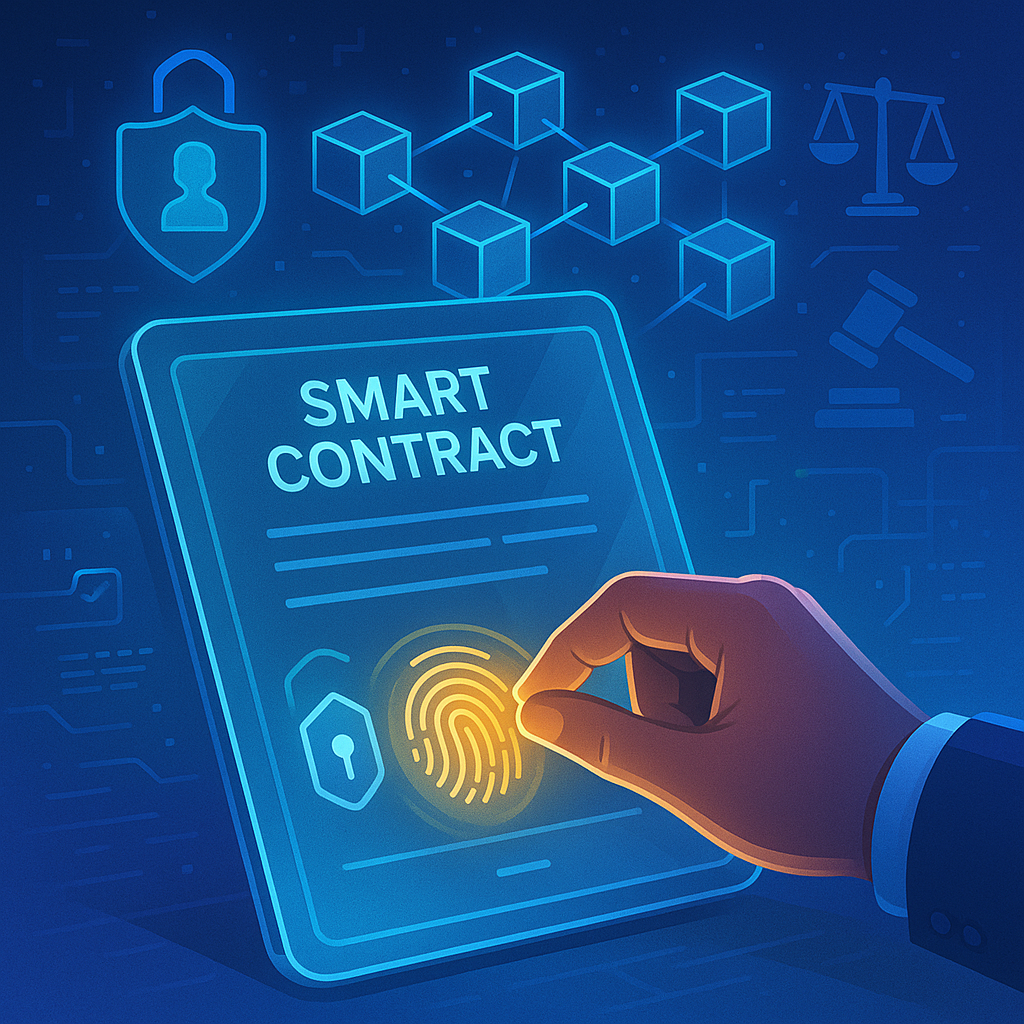
A blockchain-based e-signature is a digital signature recorded and verified on a blockchain network. When a person signs a document, that action is stored as an encrypted entry across multiple computers simultaneously — not on a single server controlled by one company.
This distributed approach means the record cannot be quietly altered or deleted after the fact. Every signature is permanent, timestamped, and traceable. In simple terms, it is a more secure and trustworthy way to sign documents online compared to traditional e-signature methods.
Why Traditional e-Signatures Fall Short for Legal Agreements
Most e-signature platforms in use today store signing records on their own private servers. While convenient, this creates a real vulnerability. If that server is hacked, the company goes out of business, or someone with access manipulates the data, the integrity of your signed agreement could be compromised.
Blockchain addresses this directly. Here is why it offers a stronger foundation for legal documents:
- Distributed security: Data is encrypted and spread across a network of computers, making it extremely difficult to tamper with.
- Immutable records: Once a signature is recorded on the blockchain, it cannot be changed or erased by any single party.
- Accurate audit trail: The system automatically logs who signed, when they signed, and in what order — creating a reliable timeline for any future legal dispute.
- No single point of failure: Unlike centralised servers, a blockchain network does not collapse if one node goes offline.
Key Benefits of Using Blockchain for e-Signatures
Businesses and legal professionals considering blockchain-based signing tools can expect several practical advantages:
- Tamper-proof documents: No party can alter the content of a signed agreement without detection.
- Instant signing from anywhere: Signatories can complete agreements in real time from any location in the world.
- Cross-border acceptance: Blockchain signatures are not tied to any single country’s infrastructure, making them suitable for international contracts.
- Detailed legal evidence: Every step of the signing process is recorded, providing strong evidence if a contract is ever disputed in court.
- Reduced paperwork and costs: Eliminating physical documents and courier processes saves both time and money.
| Feature | Traditional e-Signature | Blockchain e-Signature |
|---|---|---|
| Storage | Single company server | Distributed network |
| Tamper resistance | Moderate | Very high |
| Audit trail | Limited | Complete and timestamped |
| Cross-border use | Depends on platform | Globally accessible |
| Legal evidence strength | Moderate | Strong |
Real-World Adoption: Who Is Using Blockchain Signatures Today?
Blockchain-based e-signatures are no longer just a concept being discussed in tech circles. Several organisations are already putting them to practical use:
- DocuSign, one of the world’s leading e-signature platforms, has been exploring blockchain integration to strengthen document security and verification.
- Signatura and similar newer companies have built their entire platforms around blockchain e-signing, targeting businesses that need higher levels of document protection.
- Estonia, widely regarded as one of the most digitally advanced governments in the world, has implemented blockchain technology to protect legal signatures and citizen data at a national level.
These examples show that adoption is already happening across both the private sector and government institutions, signalling a broader shift in how legal agreements will be handled going forward.
What the Future Holds for Blockchain and Legal Tech
As more legal and business processes move online, the demand for secure and verifiable digital signatures will only grow. Blockchain-powered e-signatures are well-positioned to become the standard, particularly for high-value contracts, cross-border transactions, and agreements where authenticity is critical.
Smart contracts — self-executing agreements coded directly onto a blockchain — take this a step further by automating the enforcement of contract terms without needing a middleman. This combination of blockchain signatures and smart contracts could significantly change how legal agreements are created, signed, and executed in the years ahead.
Regulatory frameworks in many countries are still catching up, but momentum is clearly building. Legal professionals, businesses, and governments that adopt this technology early are likely to benefit from greater efficiency, reduced fraud risk, and stronger legal standing in disputes.
Blockchain-based e-signatures are not a distant possibility — they are already being used, and their role in legal agreements is set to grow significantly. For anyone involved in drafting, signing, or managing contracts, understanding this technology is becoming increasingly important.
Frequently Asked Questions
In many countries, blockchain-based e-signatures can be legally binding, provided they meet the requirements set by local electronic signature laws. However, legal recognition varies by jurisdiction, so it is important to check the specific regulations in your country before relying on them for critical agreements.
A regular digital signature is typically stored on a single company's server, which can be vulnerable to tampering or data loss. A blockchain e-signature is recorded across a distributed network of computers, making it nearly impossible to alter or delete, and providing a complete, timestamped audit trail.
DocuSign has been exploring blockchain integration for enhanced document security. Newer platforms like Signatura are built entirely on blockchain signing technology. At the government level, Estonia has implemented blockchain to protect legal signatures and citizen data as part of its national digital infrastructure.