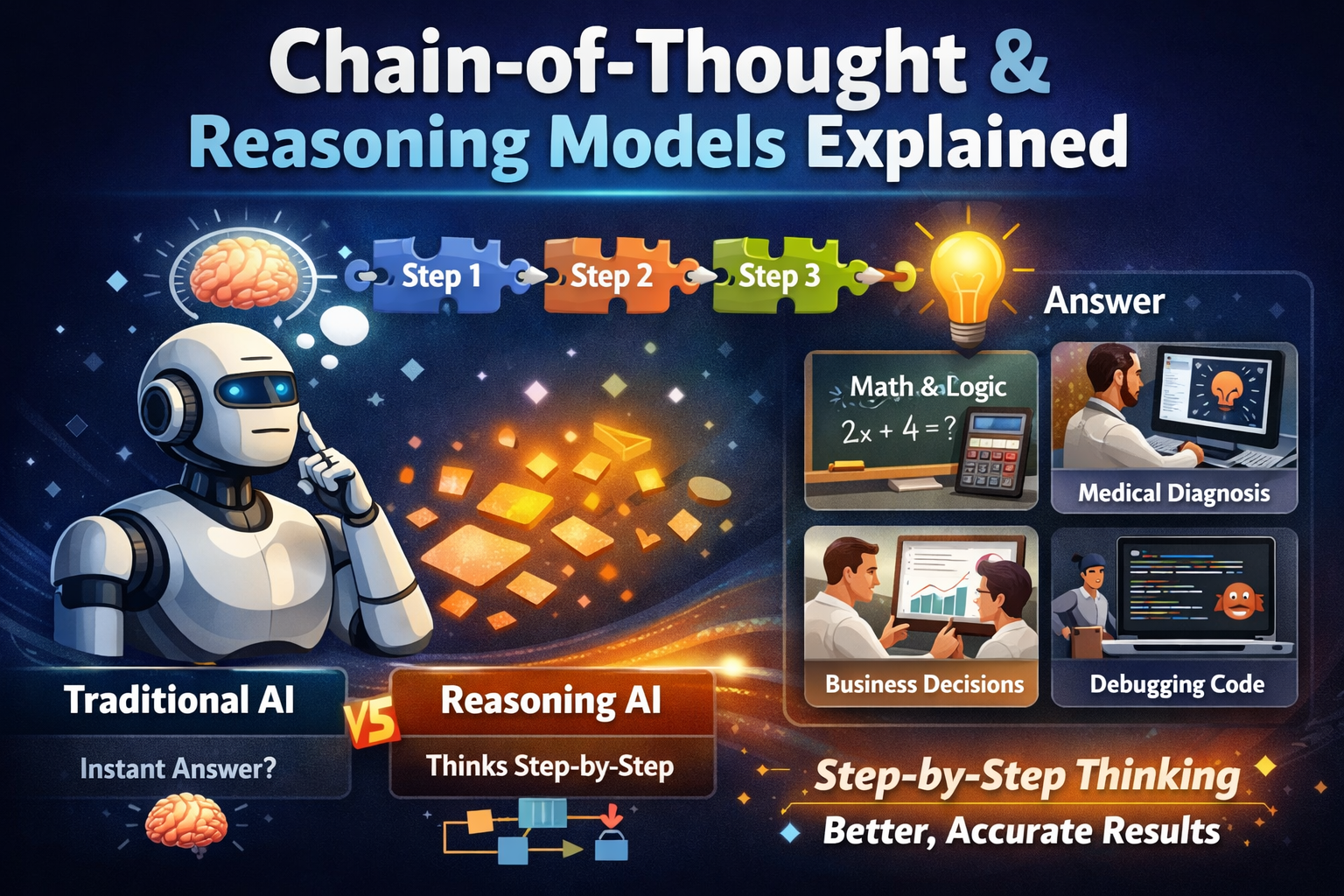
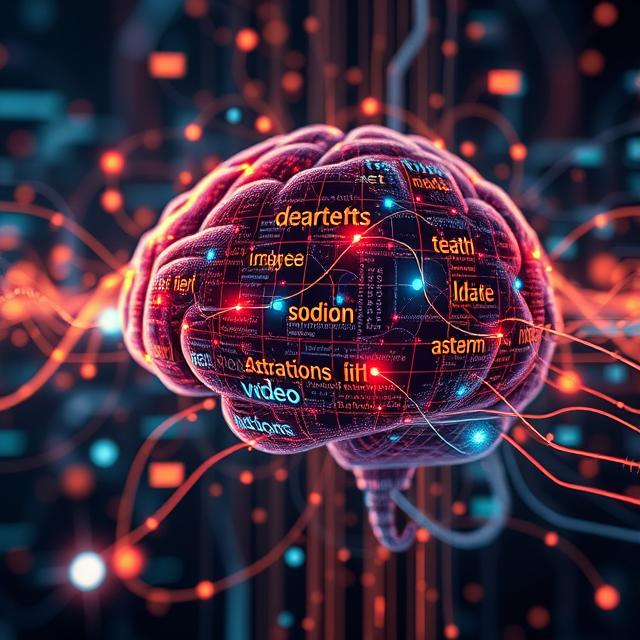
Artificial intelligence has come a long way from processing just one type of data at a time. Multimodal learning is a rapidly growing area in AI that teaches machines to understand and combine multiple forms of data — text, images, audio, and video — all at once. This approach helps AI systems mirror the way humans naturally perceive the world, making them smarter, more accurate, and better equipped for real-world tasks.
Why Multimodal Learning Matters for AI Development
Traditional AI models are built to handle a single data type. A text-based model reads and processes language. An image recognition model identifies objects in pictures. But the real world rarely works in isolation — we experience information through multiple channels simultaneously.
Think about watching a news video. To truly understand what is happening, you need to process the visuals, the spoken words, and sometimes even on-screen text at the same time. Multimodal learning gives AI systems this same ability. By training on different data types together, these models develop a richer understanding of context, which allows them to tackle more complex and nuanced tasks with greater accuracy.
Key Components That Make Multimodal Learning Work
Multimodal learning relies on three core processes that work together to build a capable AI system:
- Data Fusion: This is the process of combining different types of data into a single, unified representation. The goal is to ensure that information from each data type — or modality — complements the others, creating a more complete and detailed picture for the model to learn from.
- Feature Extraction: Before data can be combined, the AI must identify and pull out the most important features from each modality. For example, it might extract key phrases from a transcript, detect dominant objects in an image, or isolate specific sound patterns from an audio file.
- Model Integration: Once the relevant features are extracted, advanced algorithms are used to build AI models that can process and learn from all these combined inputs simultaneously. This requires sophisticated architecture capable of handling diverse data formats without losing accuracy.
Challenges Researchers Face in Multimodal Learning
Despite its promise, multimodal learning comes with significant technical hurdles that researchers are actively working to overcome:
- Data Alignment: One of the biggest challenges is making sure that data from different sources corresponds to the same event or object. For instance, syncing audio with the correct video frame is critical for the model to make accurate inferences. Misalignment can lead to poor learning outcomes.
- Computational Complexity: Processing multiple data types at once demands considerably more computing power than single-modality models. Handling text, images, and audio simultaneously requires advanced hardware and efficient algorithms to avoid bottlenecks.
- Data Imbalance: Not all modalities have equal amounts of high-quality training data. Text data is widely available, but labelled video or audio datasets can be scarce and expensive to produce. When one modality dominates the training process, it can skew the model’s performance and reduce its overall reliability.
Comparing Single-Modal vs Multimodal AI Systems
| Feature | Single-Modal AI | Multimodal AI |
|---|---|---|
| Data Types Processed | One (text, image, or audio) | Multiple (text, image, audio, video) |
| Real-World Applicability | Limited | High |
| Complexity | Lower | Higher |
| Contextual Understanding | Narrow | Broad and nuanced |
| Use Cases | Chatbots, image classifiers | Video analysis, AR, personalised AI |
Future Trends Shaping Multimodal AI
The field of multimodal learning is advancing quickly, and several exciting developments are on the horizon:
- Smarter Algorithms: As AI research progresses, new algorithms are being designed specifically to handle the complexity of combining multiple data types. These improvements will make multimodal models faster, more efficient, and more accurate.
- Real-Time Processing: Increased computing power is making it possible to run multimodal AI applications instantly. This opens the door to live translation tools, augmented reality experiences that blend sound, video, and text, and real-time accessibility features for people with disabilities.
- Personalised AI Systems: Perhaps the most exciting prospect is the development of AI that adapts to individual users. By analysing data from multiple sources — such as a user’s voice, behaviour patterns, and text inputs — future AI systems could deliver highly personalised experiences across education, healthcare, entertainment, and more.
Multimodal learning represents a significant step forward in making AI systems more capable and human-like in their understanding. As the technology matures and the challenges around data alignment, computational demands, and data imbalance are addressed, we can expect multimodal AI to become a standard part of how intelligent systems are built and deployed across industries.
Frequently Asked Questions
Multimodal learning is an approach in AI where models are trained to process and understand multiple types of data at the same time, such as text, images, audio, and video. This allows AI systems to develop a more complete and accurate understanding of real-world situations compared to models that handle only one data type.
The three main challenges are data alignment (ensuring data from different sources corresponds to the same event), computational complexity (processing multiple data types requires significant computing resources), and data imbalance (some modalities like text have far more training data available than others like labelled video).
Multimodal AI has a wide range of applications including video content analysis, live language translation, augmented reality experiences, accessibility tools for people with disabilities, personalised recommendation systems, and advanced healthcare diagnostics that combine medical imaging with patient records and spoken descriptions.