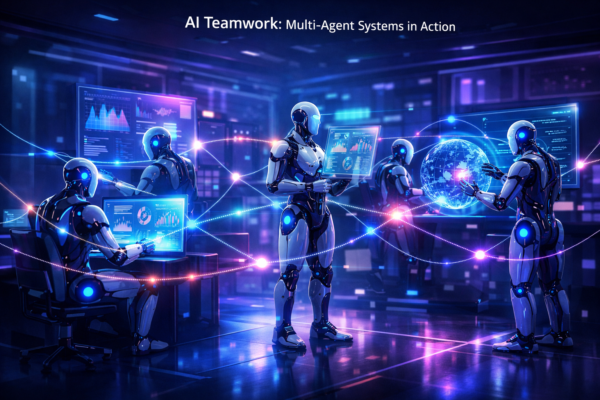
How Multi-Agent Systems Work Like Teams to Handle Complex Tasks
Multi-agent systems use multiple small AI programs working together like a team to handle complex tasks faster and smarter. Here is how they work and why they matter.

Multi-agent systems use multiple small AI programs working together like a team to handle complex tasks faster and smarter. Here is how they work and why they matter.
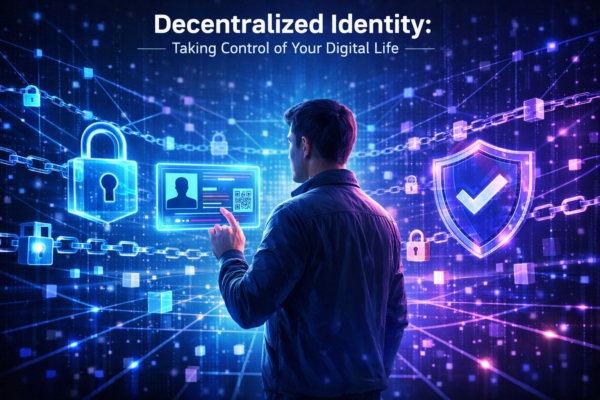
Decentralized Identity (DID) uses blockchain to give users full control over their personal data, replacing centralized platforms like Google and Facebook as identity gatekeepers.
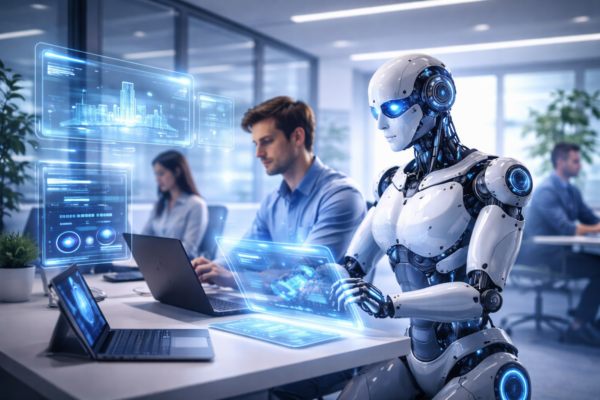
Humanoid robots are moving from concept to reality. Discover how they will assist workers across manufacturing, healthcare, logistics, and offices in the near future.
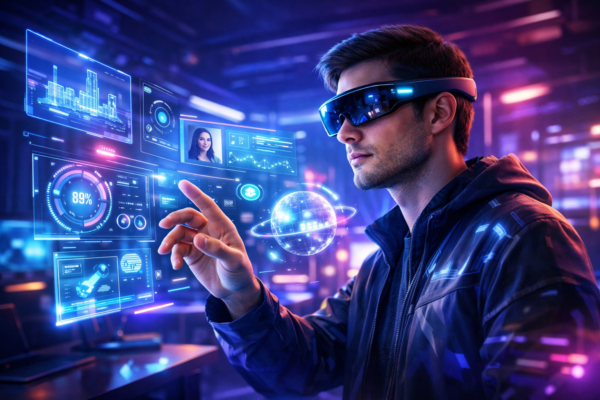
Mixed reality wearables blend the physical and digital worlds in real time. From healthcare to education, here is how MR devices work and why they matter for the future.

Digital twin technology is transforming industries by creating real-time virtual replicas of factories, buildings, and entire cities — helping organizations monitor, predict, and optimize physical systems.

AI-enabled machine vision and voice control are changing industrial automation by giving machines the ability to see, understand, and respond to spoken commands with high accuracy.

Domain-specific AI models are built to handle the unique demands of engineering fields like civil, mechanical, and electrical — delivering precision, safety, and faster decision-making.

Self-sustaining robotic systems are changing how industries operate by using AI and smart sensors to work continuously with minimal human supervision. Here is what you need to know.
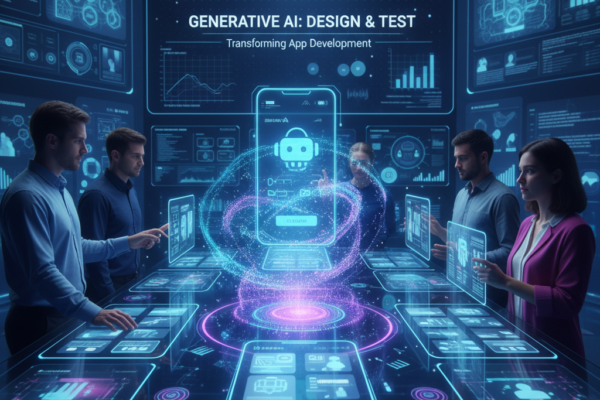
Generative AI is reshaping how apps are designed and tested. From Figma AI to Testim.io, discover how these tools help developers build faster and smarter.

AI-driven crypto agents are changing how digital assets are traded. These bots use machine learning to analyze markets, manage portfolios, and execute trades automatically 24/7.