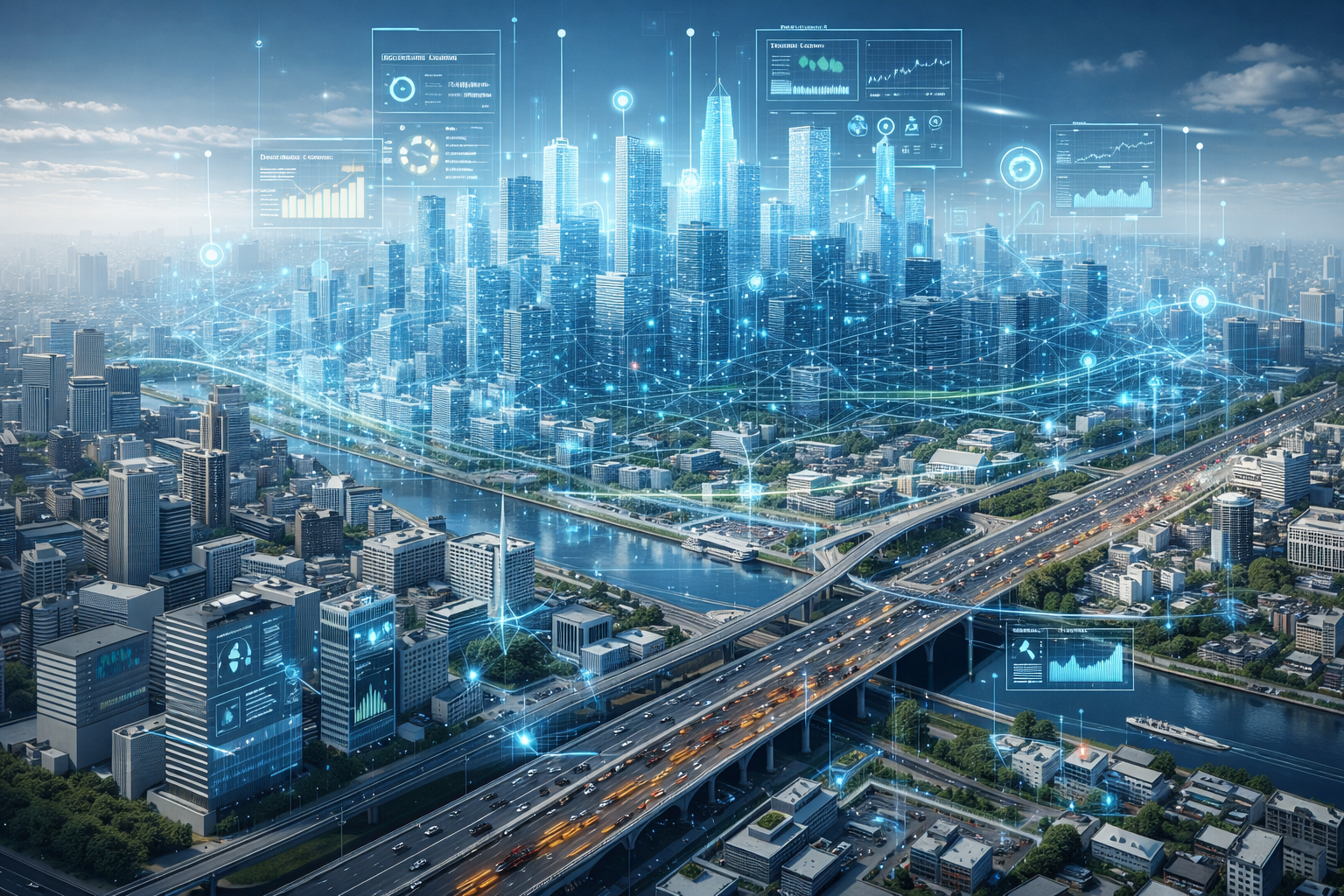
Digital twin technology is quietly changing how the world builds, manages, and improves complex systems. From a single machine on a factory floor to an entire city’s traffic network, digital twins give engineers and planners a real-time virtual window into physical systems — helping them act faster, spend less, and plan smarter.
What Is a Digital Twin and How Does It Work?
A digital twin is a virtual replica of a real-world object, system, or process. It continuously receives live data from sensors and connected devices to mirror exactly what is happening in the physical world.
This is not just a static 3D model. A digital twin updates itself in real time, allowing engineers and decision-makers to:
- Test changes before applying them to the real system
- Monitor the health and performance of machines or infrastructure
- Identify inefficiencies and fix them without disrupting operations
- Reduce downtime, maintenance costs, and operational risks
The technology sits at the intersection of IoT sensors, cloud computing, and data analytics, making it one of the most practical tools in modern engineering.
Digital Twins on the Factory Floor
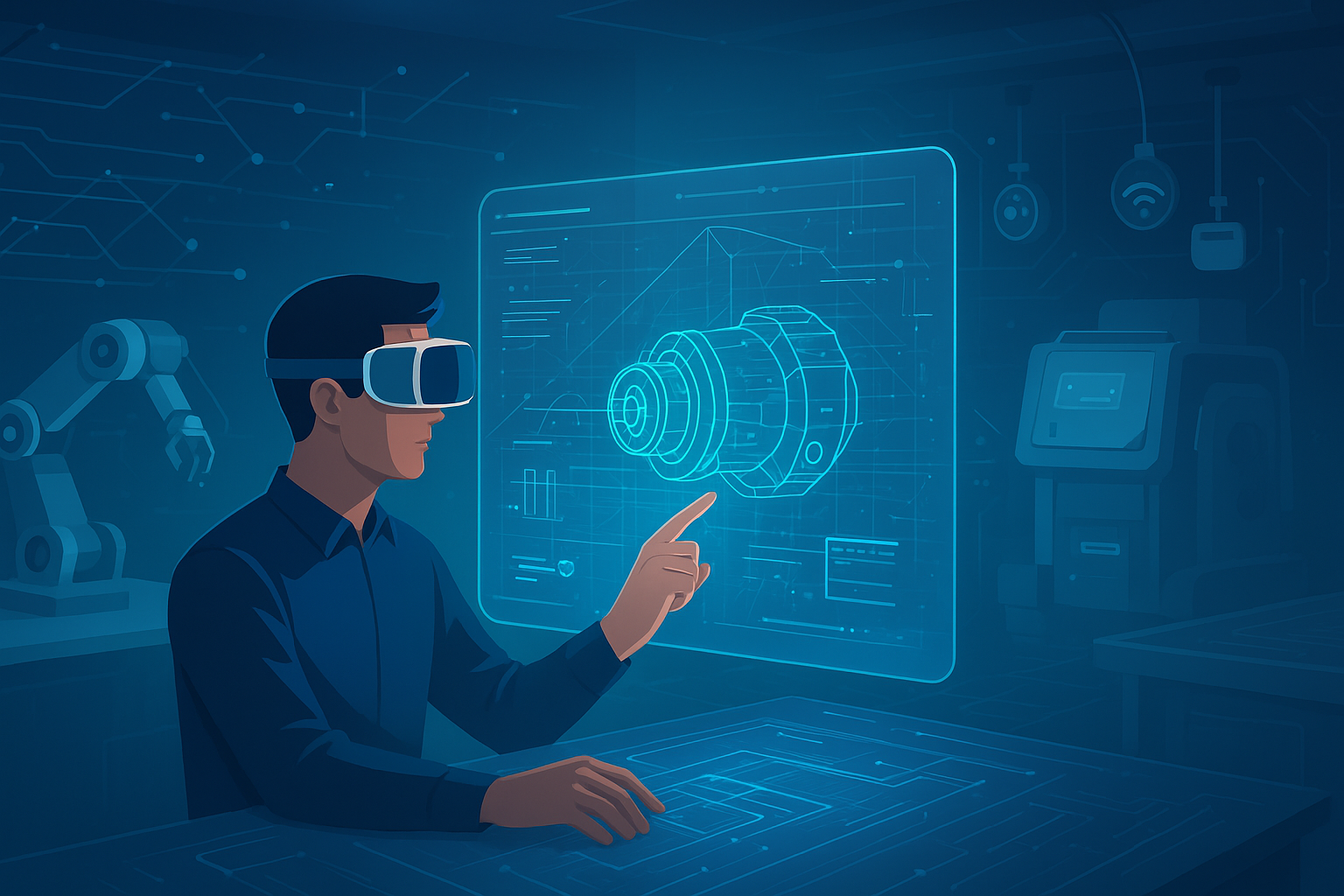
Manufacturing was one of the first industries to adopt digital twin technology at scale. In a factory setting, a digital twin can represent a single machine, an entire production line, or a whole plant.
Manufacturers use these virtual models to:
- Track machine performance in real time
- Predict equipment failures before they happen
- Optimize production processes for speed and quality
- Cut unplanned downtime that costs time and money
- Improve product quality by simulating different production scenarios
Instead of waiting for a machine to break down, a factory manager can see warning signs in the digital twin and schedule maintenance at the right time. This approach — known as predictive maintenance — is one of the biggest cost-saving benefits of digital twins in industrial settings.
Smart Infrastructure: Buildings, Bridges, and Power Systems
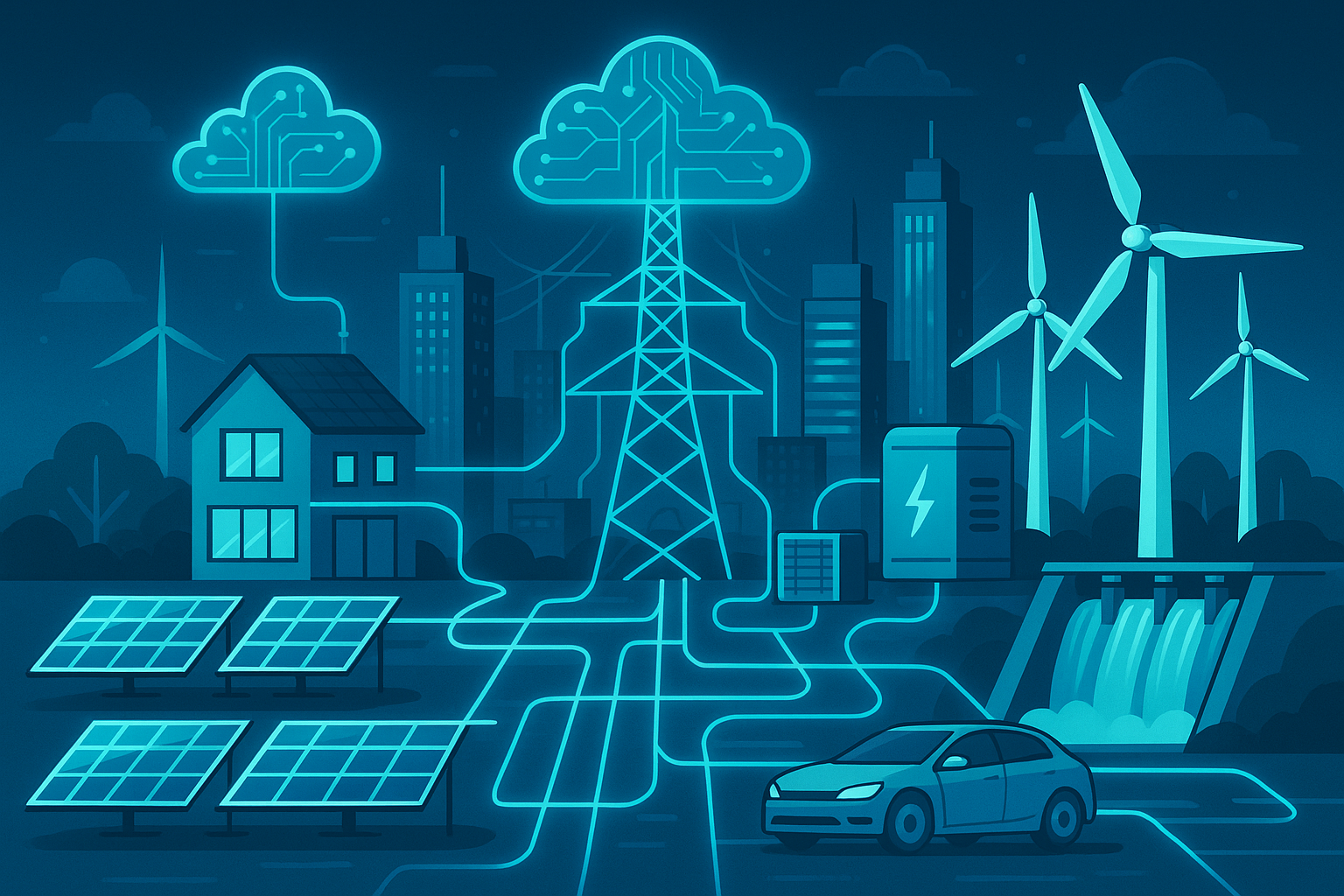
Beyond factories, digital twins are being used to manage the infrastructure that cities and communities depend on every day — buildings, bridges, roads, and power grids.
Engineers create virtual models of these structures to monitor their condition over time. The benefits include:
- Early detection of structural faults or stress points
- Efficient maintenance planning based on real data
- Better safety and reliability for public infrastructure
- Reduced operational risks through continuous monitoring
For example, a bridge fitted with sensors can feed live data into its digital twin. Engineers can then track how the structure responds to traffic loads, weather changes, and aging — and take action before a problem becomes dangerous.
This kind of smart infrastructure management leads to longer asset lifespans and better long-term planning for governments and private operators alike.
Digital Twins and the Rise of Smart Cities
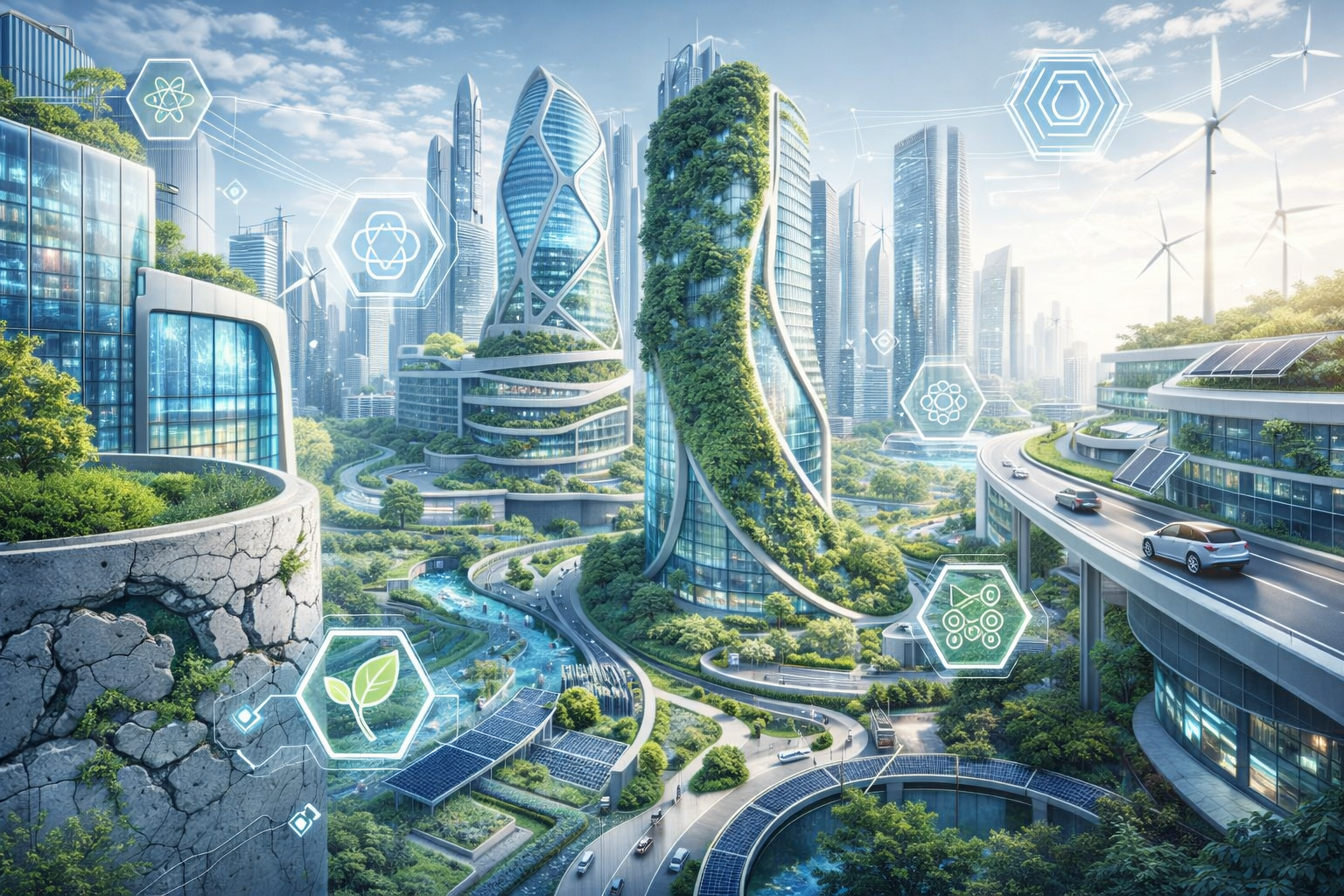
Perhaps the most ambitious use of digital twin technology is at the city scale. A smart city digital twin creates a virtual model of an entire urban environment — covering traffic systems, utilities, public buildings, emergency services, and more.
City planners and administrators use these models to:
- Manage traffic flow and reduce congestion in real time
- Improve public transport routes and schedules
- Monitor energy and water consumption across the city
- Plan new developments and expansions with greater accuracy
- Strengthen emergency response systems during disasters or crises
Cities that adopt digital twin platforms can test the impact of a new road, a policy change, or a major event on the virtual model before making any real-world decisions. This reduces costly mistakes and helps cities grow in a more sustainable and citizen-friendly way.
The Technologies Powering Digital Twins
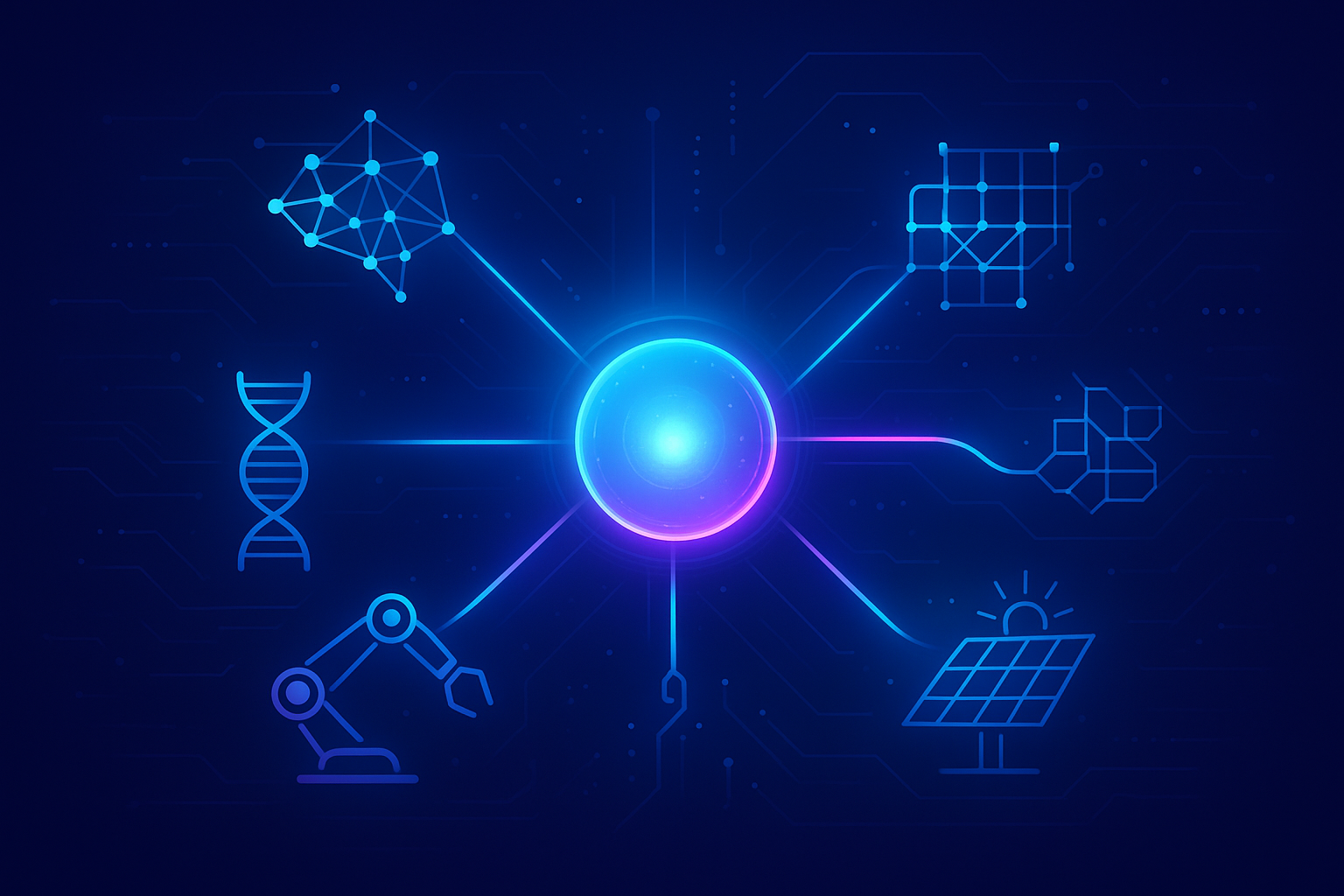
Digital twins do not work in isolation. They depend on a combination of technologies working together:
| Technology | Role in Digital Twins |
|---|---|
| Internet of Things (IoT) | Sensors collect real-time data from physical systems |
| Artificial Intelligence (AI) | Analyzes patterns, detects anomalies, and makes predictions |
| Cloud Computing | Stores and processes large volumes of data at scale |
| Edge Computing | Processes data closer to the source for faster response |
Together, these technologies make digital twins more accurate, responsive, and capable of handling the complexity of real-world systems.
The Future of Digital Twin Technology
As these underlying technologies improve, digital twins will become more detailed and intelligent. Future systems are expected to simulate human behavior, environmental changes, and highly complex interactions with greater precision.
Digital twins are set to play a central role in:
- Industry 4.0 and Industry 5.0 — driving smarter, more automated manufacturing
- Urban planning — helping cities grow sustainably with data-backed decisions
- Autonomous systems and robotics — testing and training machines in virtual environments
- Sustainable engineering — reducing waste and energy use across sectors
As adoption grows across industries, digital twins are moving from a niche engineering tool to a core part of how organizations design, operate, and improve the systems around us.
Digital twins are no longer a concept of the future — they are already at work in factories, cities, and critical infrastructure around the world. By giving decision-makers a live, accurate view of physical systems, this technology helps reduce risk, cut costs, and build a more efficient and sustainable world. For industries and governments looking to stay ahead, investing in digital twin capabilities is becoming less of an option and more of a necessity.
Frequently Asked Questions
A digital twin is a virtual copy of a real-world object, system, or process. It uses live data from sensors and connected devices to mirror how the physical system works, allowing engineers to monitor performance, test changes, and predict problems without affecting the real system.
In smart cities, digital twins create virtual models of entire urban environments including traffic systems, utilities, and public services. City planners use them to manage traffic flow, monitor energy usage, plan new developments, and improve emergency response — all based on real-time data.
Digital twins rely on a combination of Internet of Things (IoT) sensors to collect real-time data, Artificial Intelligence to analyze patterns and make predictions, and cloud or edge computing to store and process large volumes of data efficiently.