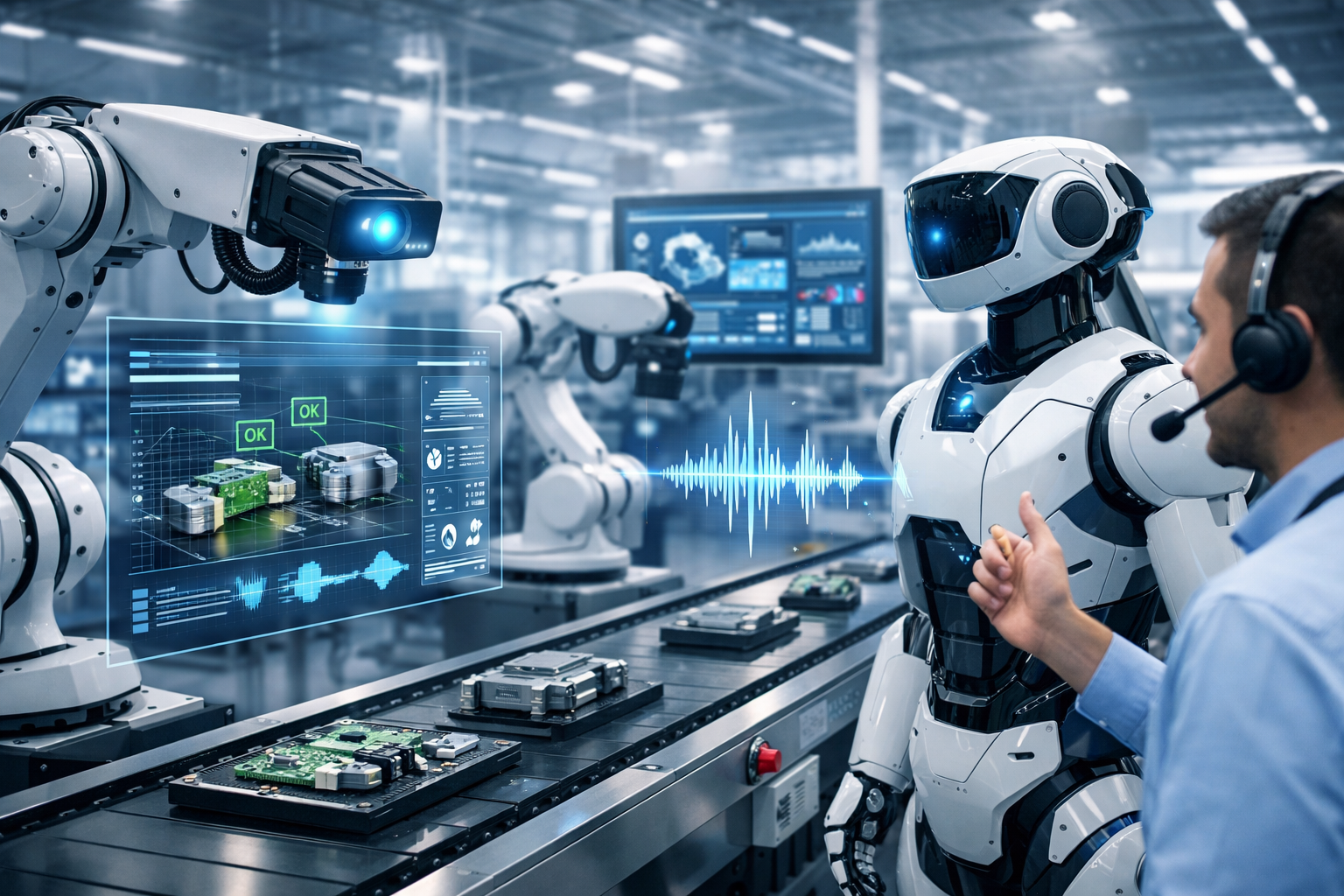
Machines that can see, understand, and respond to spoken commands are no longer science fiction. AI-enabled machine vision and voice control are reshaping how factories, warehouses, and laboratories operate — making automation smarter, safer, and more accessible than ever before.
What Is AI-Enabled Machine Vision?
Machine vision gives robots the ability to see the world through cameras and sensors. But when artificial intelligence is added to the mix, machines do not just capture images — they understand them.
Traditional vision systems worked on fixed rules and could only handle predictable environments. AI-powered machine vision learns from data, improves with experience, and performs reliably even in complex or changing conditions.
Here is what AI-enabled machine vision can do:
- Identify objects and products on a production line
- Detect defects and errors with high precision
- Measure size, shape, and position of components
- Track moving items in real time
- Analyze images far faster than any human inspector
These capabilities make machine vision a critical tool in manufacturing, quality control, and logistics.
How Voice Control Works in Automation
Voice control allows workers to operate machines using spoken commands instead of buttons, touchscreens, or programming interfaces. It relies on AI technologies like speech recognition and natural language processing to interpret what a person says and convert it into machine actions.
This approach makes automation accessible to non-technical workers. A factory floor employee does not need to know how to code — they simply speak, and the machine responds.
Key advantages of voice control in industrial settings include:
- Hands-free operation, keeping workers safe and productive
- Faster communication between humans and machines
- Easier adoption for workers without technical backgrounds
- Improved safety in environments where physical contact with controls is risky
When Machine Vision and Voice Control Work Together
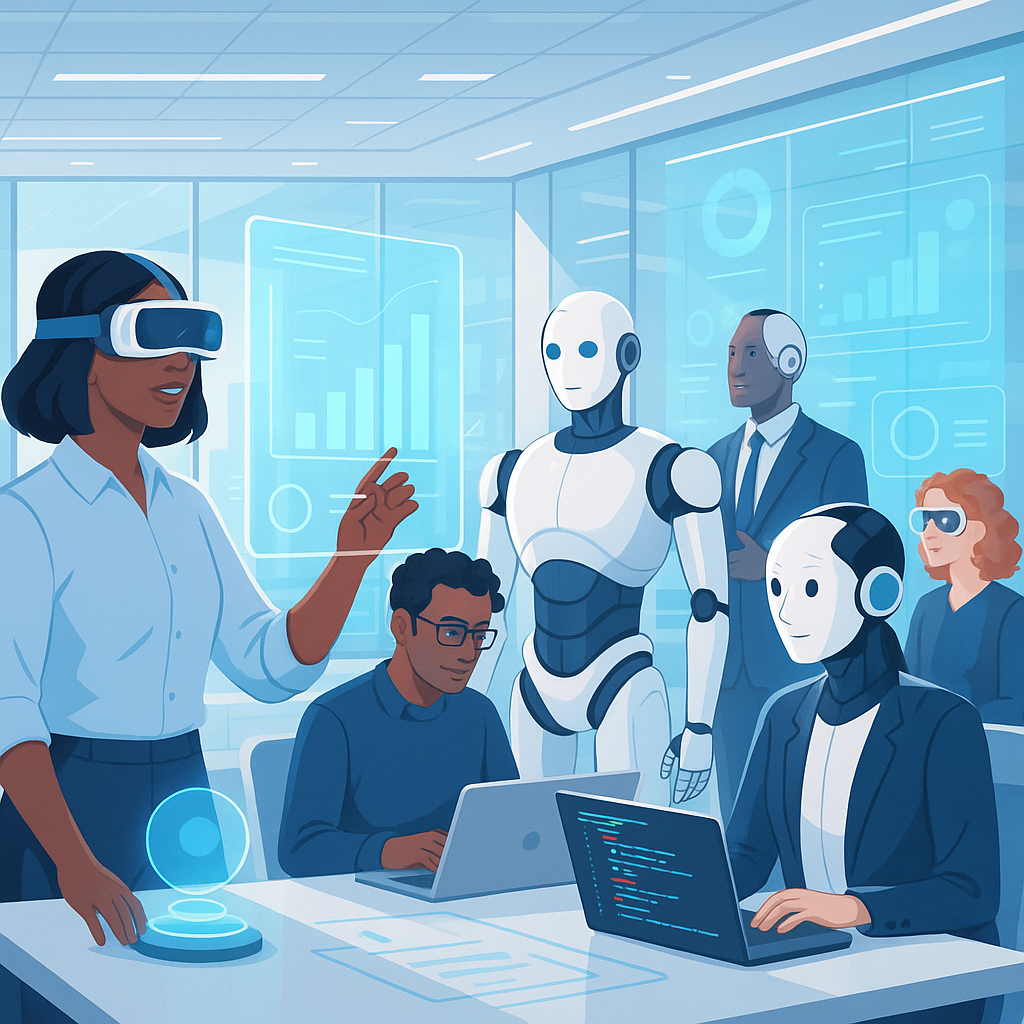
The real power comes when both technologies are combined. A worker can give a voice command to pick a faulty product from a conveyor belt. The robot listens to the instruction, uses its vision system to locate and identify the defect, and completes the task — all without any manual input.
This combination delivers greater speed, accuracy, and flexibility across automation systems. It also reduces the gap between human intuition and machine execution.
| Feature | Machine Vision | Voice Control |
|---|---|---|
| Primary Function | Visual analysis and object detection | Spoken command interpretation |
| Technology Used | Cameras, sensors, deep learning | Speech recognition, NLP |
| Best Use Case | Quality inspection, defect detection | Hands-free machine operation |
| Industry Benefit | Reduces errors in production | Speeds up human-machine interaction |
Industry Applications Across Key Sectors
These technologies are already being deployed across a wide range of industries:
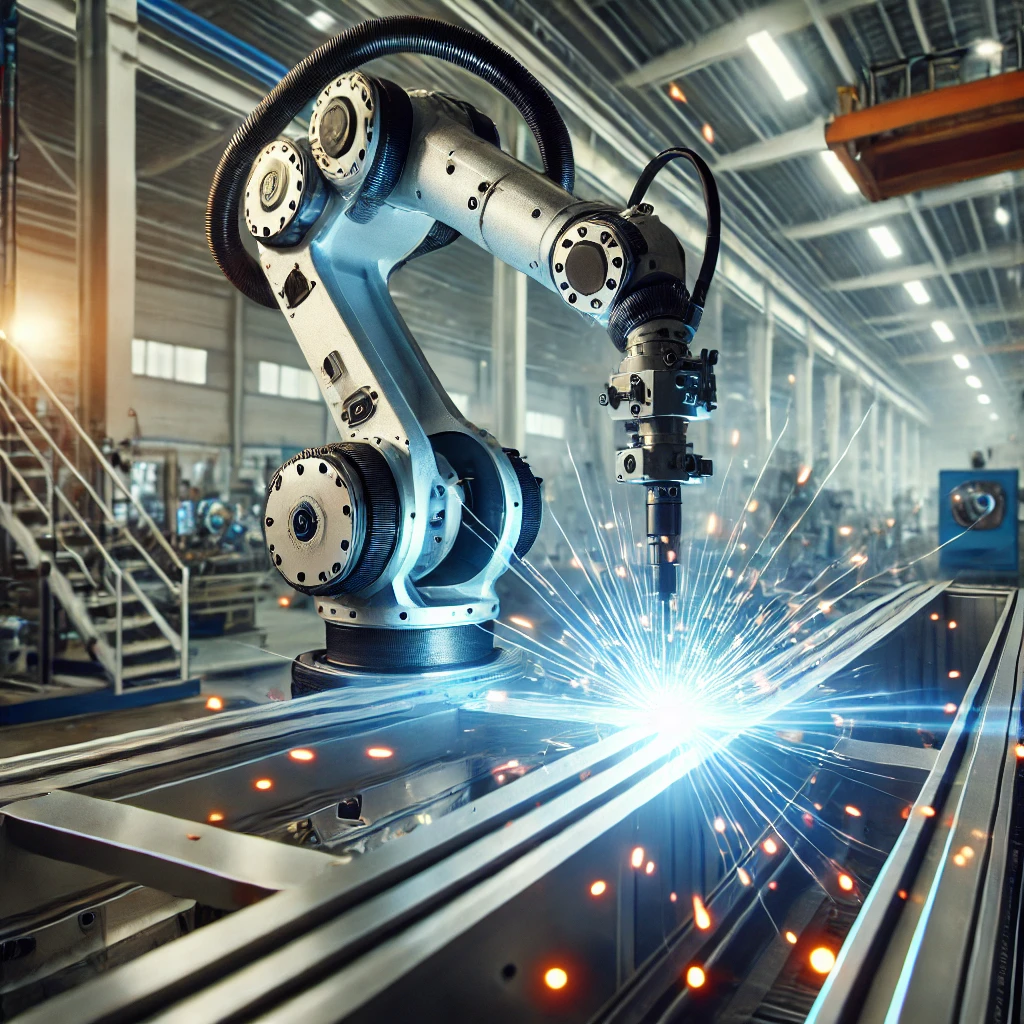
- Manufacturing and Smart Factories: Robots inspect products, detect defects, and respond to voice commands on the production floor, increasing output and reducing human error.
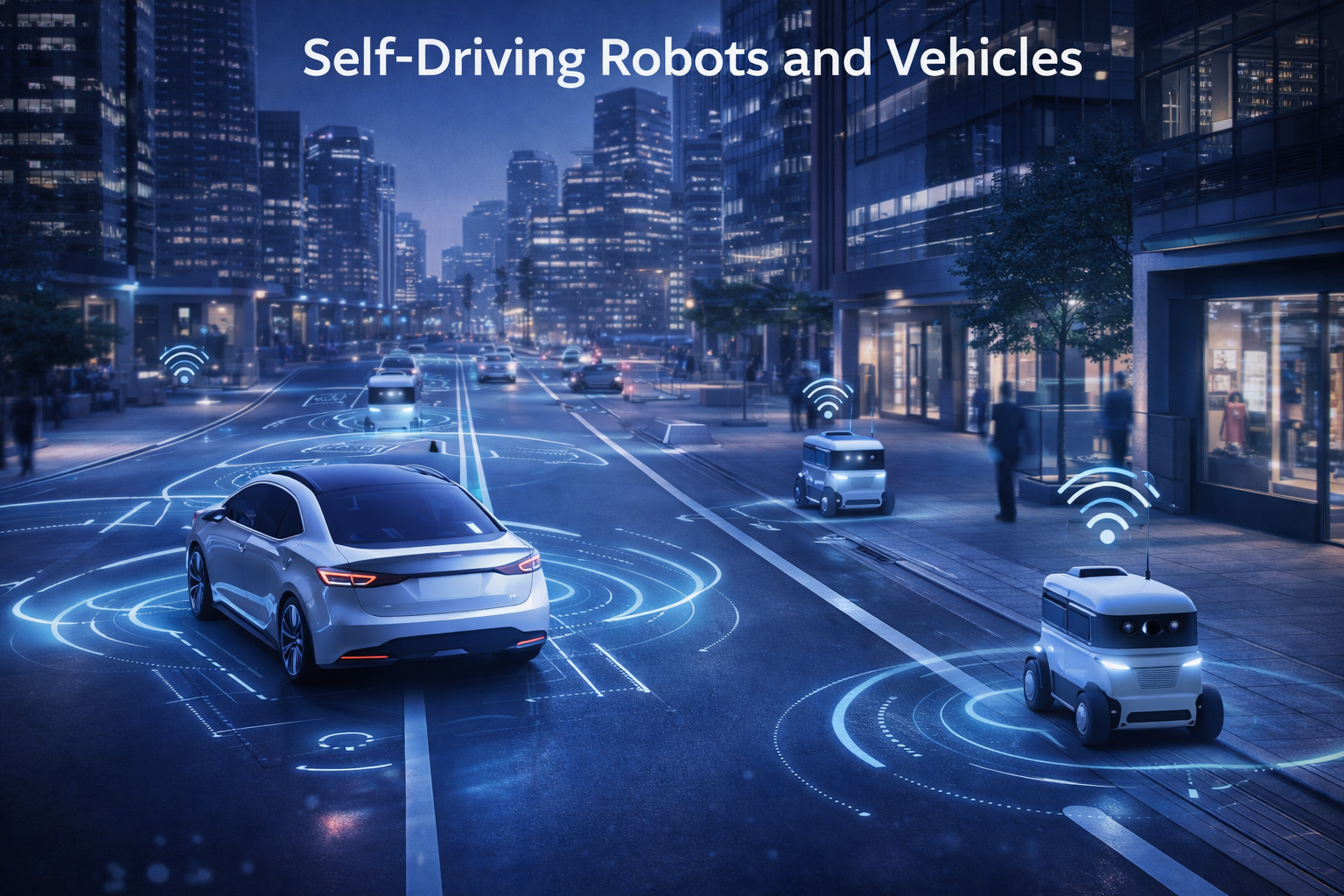
- Warehouse and Logistics: Machines sort packages, track inventory, and follow spoken instructions. Autonomous robots navigate warehouse spaces safely and efficiently.
- Healthcare and Laboratory Automation: Vision systems enable precise robotic tasks while voice control allows hands-free operation, which is critical for maintaining hygiene and safety standards.
- Automotive and Electronics: AI vision detects microscopic defects in components, while voice control helps manage complex multi-step assembly processes.
- Collaborative Robots (Cobots): Cobots work alongside human workers. Voice commands make interaction natural and require no advanced technical training from the operator.
Benefits and Future Outlook
Businesses adopting AI-enabled machine vision and voice control gain several measurable advantages:
- Higher accuracy and operational efficiency
- Fewer human errors on the production line
- Faster decision-making in real time
- Better workplace safety for employees
- Lower training costs for new workers
- Easier adoption for small and medium-sized businesses
Looking ahead, these technologies are expected to grow even more capable. Future systems may support multiple languages, understand emotional cues, and process data faster using edge computing — bringing decisions closer to the machine rather than relying on distant servers.
In human-centric automation, the goal is not to replace workers but to assist them. Robots equipped with vision and voice capabilities can handle repetitive or dangerous tasks while humans focus on higher-value work. This creates a more balanced and productive workplace.
As AI continues to mature, machine vision and voice control will become standard features in smart factories and automated systems across India and globally — making industrial operations more adaptive, intelligent, and worker-friendly.
Frequently Asked Questions
AI-enabled machine vision uses cameras, sensors, and artificial intelligence to help machines see and understand their environment. Unlike traditional systems that follow fixed rules, AI-powered vision learns from data and can identify objects, detect defects, and track items in real time with high accuracy.
Voice control in industrial automation allows workers to operate machines using spoken commands. It uses speech recognition and natural language processing to interpret instructions, enabling hands-free operation, faster communication, and easier use for workers without technical backgrounds.
Manufacturing, warehousing, healthcare, automotive, and electronics industries benefit greatly from these technologies. They help with quality inspection, inventory tracking, hands-free operation in sterile environments, defect detection in components, and safer human-robot collaboration.