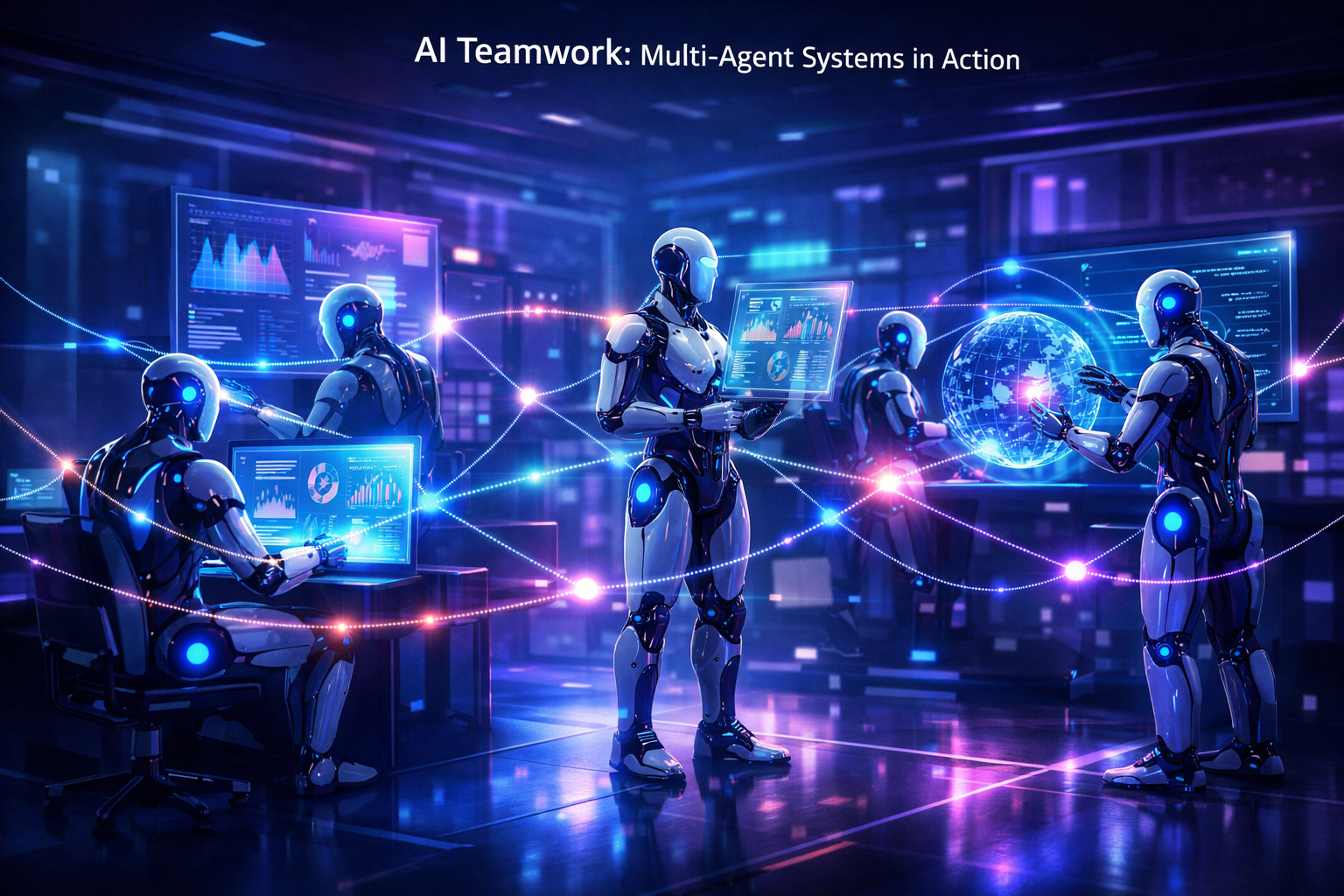
Software is getting smarter — and it is doing so by working in teams. Multi-agent systems are a growing approach in software development where multiple small programs, each called an agent, work together to complete complex tasks. Instead of one large program doing everything, the work is divided among specialized agents. This makes systems faster, more efficient, and easier to scale.
What Are Multi-Agent Systems?
A multi-agent system is a type of software where many small AI programs, called agents, each handle a specific job. Together, they complete tasks that would be too heavy or complex for a single program.
Think of it like an office team. One person collects data, another analyzes it, and a third makes the final decision. Multi-agent systems follow the same logic — but digitally and automatically.
Each agent in the system has its own defined role. Agents communicate with each other, share information, and take actions based on what they receive from other agents in the network.
How Do These Agents Work Together?
The strength of multi-agent systems lies in coordination. Each agent focuses on one part of the task, and together they produce a complete result. Here is how a typical workflow looks:
- Agent 1 gathers raw information or data
- Agent 2 processes and analyzes that data
- Agent 3 makes decisions or delivers the final output
Because the work is split across agents running simultaneously, the overall system becomes much faster and more capable than a single program handling everything in sequence.
Where Are Multi-Agent Systems Already Being Used?
Multi-agent systems are not just a future concept — they are already active across several industries. You may not notice them, but they are working behind the scenes in many services you use daily.
| Industry | How Multi-Agent Systems Are Used |
|---|---|
| Customer Support | Different agents handle chats, complaints, and resolutions |
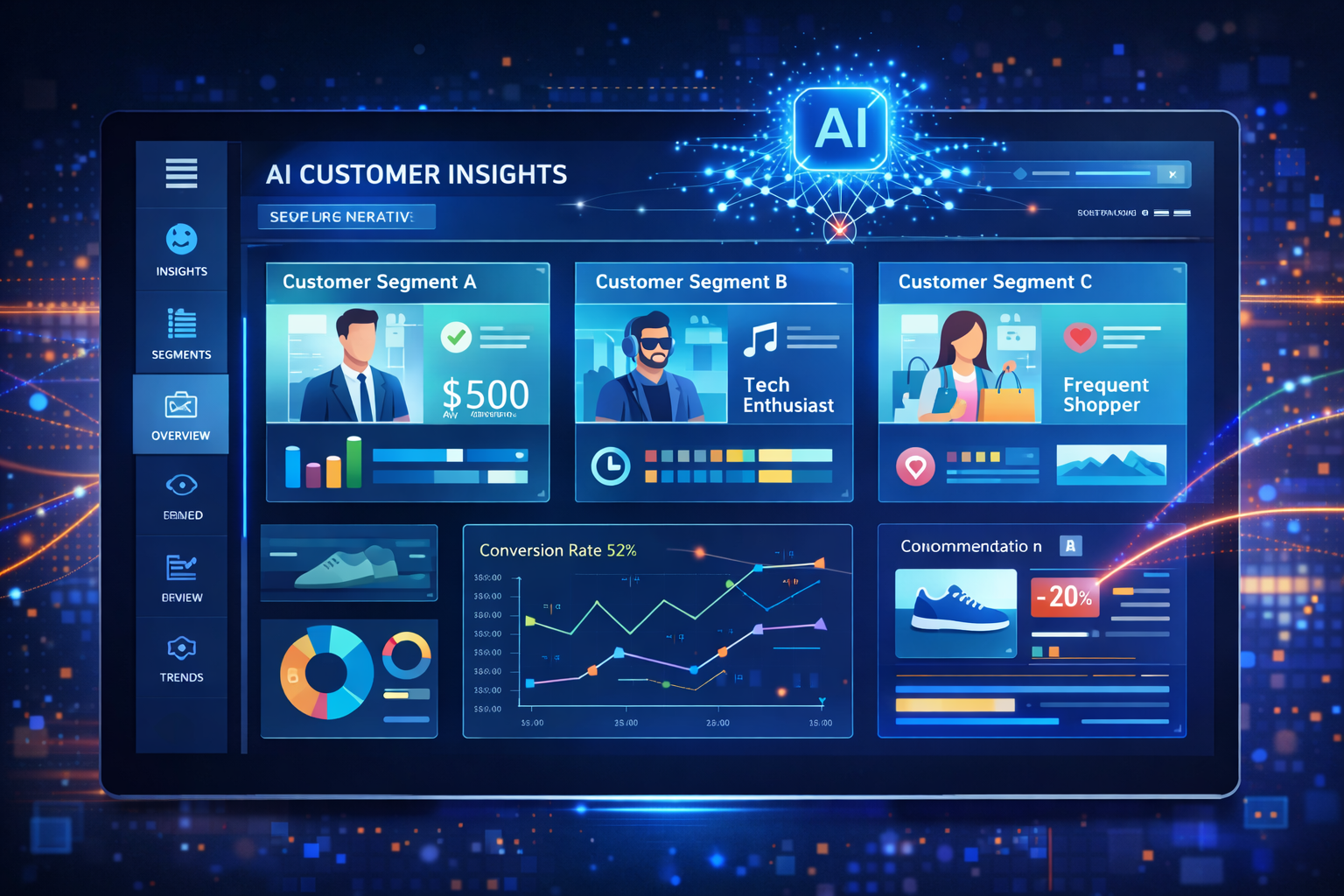
| E-Commerce | Agents manage product recommendations, pricing, and stock levels |
| Finance | Used for fraud detection and automated trading decisions |
| Gaming | Multiple AI characters interact and behave intelligently |
Key Benefits and Challenges of Multi-Agent Systems
Multi-agent systems offer several real advantages for businesses and developers:
- Speed: Tasks are completed faster because agents work in parallel
- Flexibility: New agents can be added as the system grows without rebuilding everything
- Better problem-solving: Each agent specializes in one area, improving accuracy
- Automation: Reduces the need for constant human involvement in repetitive tasks
However, there are challenges that developers must plan for:
- Agents need clear communication rules, or errors and confusion can occur
- Designing and building these systems is more complex than traditional software
- Debugging or fixing errors can be harder since multiple agents interact at once
With proper planning and architecture, these challenges can be managed effectively.
What Does the Future Look Like for Multi-Agent Systems?
The direction of software development is moving toward distributed, team-based intelligence. In the coming years, businesses are expected to rely more heavily on systems where multiple agents handle operations, make decisions, and improve efficiency with minimal human input.
This shift is particularly relevant for large-scale business automation, supply chain management, healthcare data processing, and smart city infrastructure. As agentic AI becomes more capable, multi-agent architectures will likely become the standard approach for building intelligent software.
Companies investing in this technology today are positioning themselves to handle tomorrow’s data demands with greater speed and precision.
Multi-agent systems represent a practical and powerful way to build software that scales, adapts, and performs — much like a well-organized human team. As the complexity of digital tasks grows, this team-based approach to software will only become more important across industries.
Frequently Asked Questions
A multi-agent system is software where multiple small AI programs, called agents, each handle a specific task and work together to complete a larger goal — similar to how a team of people divide work in an office.
The main benefits include faster task completion, better scalability, improved problem-solving through specialization, and reduced need for human involvement in repetitive or complex processes.
Multi-agent systems are actively used in customer support, e-commerce, finance, and gaming. They help manage tasks like fraud detection, product recommendations, automated trading, and intelligent game character behavior.