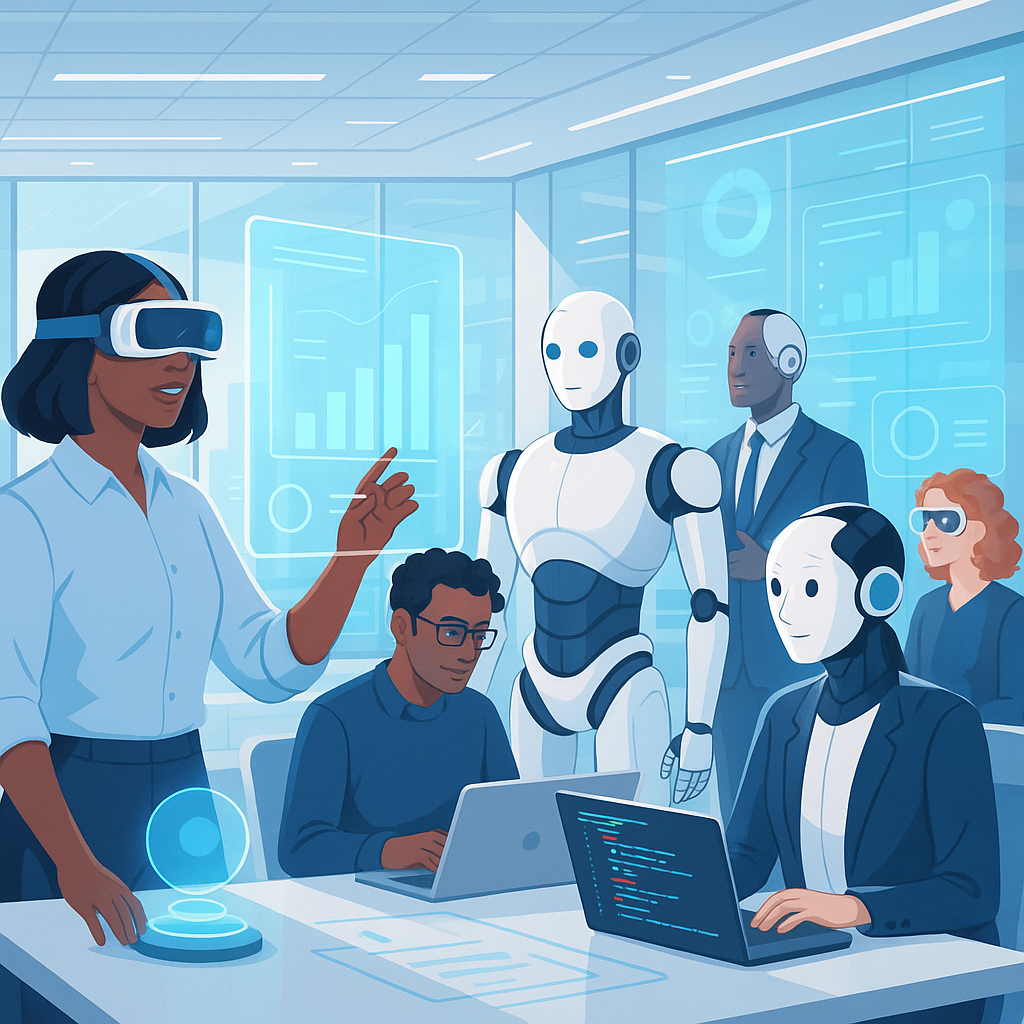
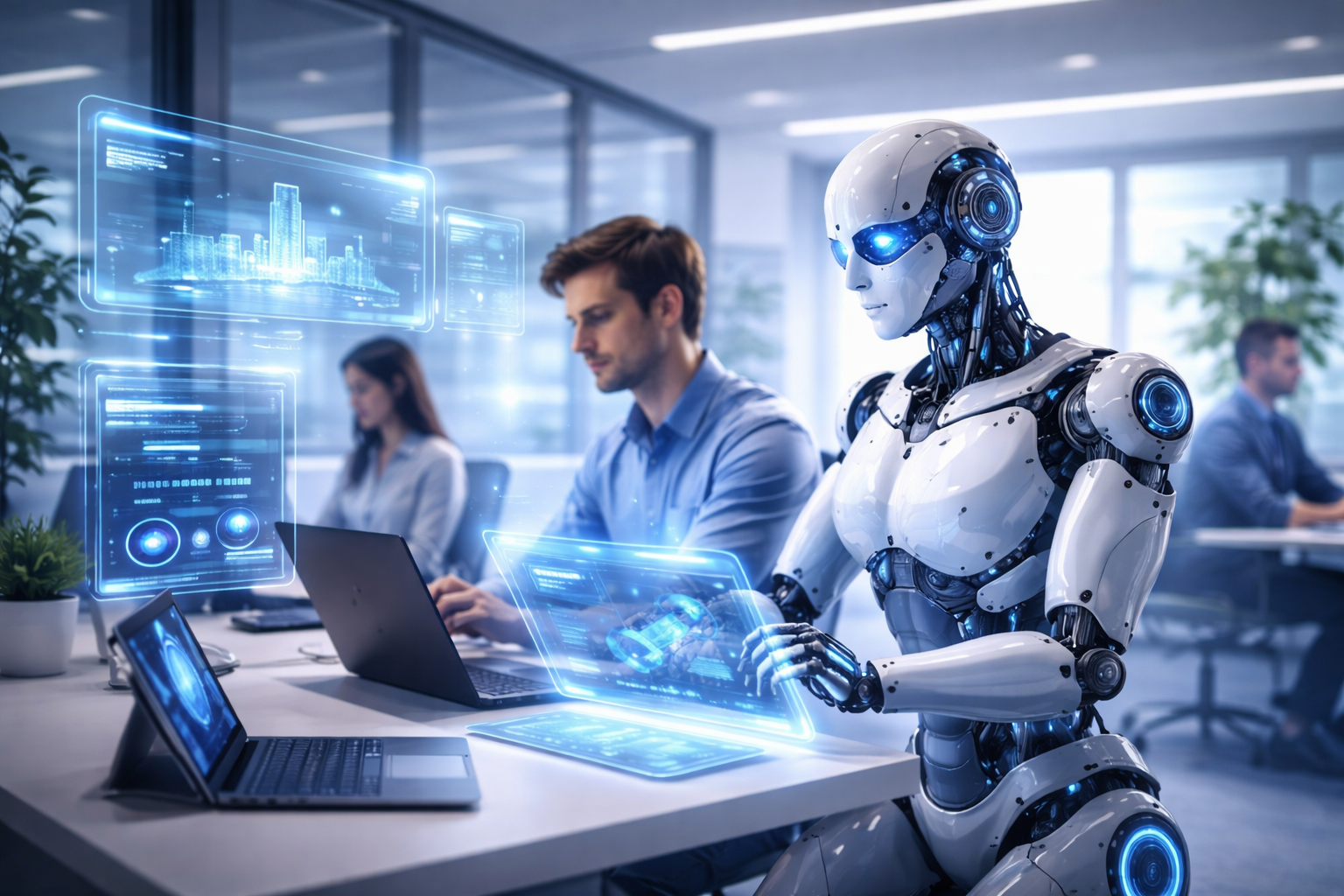
Humanoid robots are no longer just a concept from science fiction. They are becoming a real and practical part of how businesses think about the future of work. Designed to look and move like humans, these robots are built to fit into environments that were originally made for people — and that gives them a unique advantage over traditional machines.
What Makes Humanoid Robots Different
Unlike conventional industrial robots that are fixed to one spot and perform a single task, humanoid robots have a body structure that closely resembles humans. They have a head, arms, legs, and joints that allow them to walk, pick up objects, use tools, and interact with their surroundings.
This human-like design means they can operate in regular workplaces — offices, hospitals, factories, and retail stores — without needing major infrastructure changes. They rely on a combination of sensors, cameras, and artificial intelligence to understand their environment and respond to different situations.
Why Businesses Are Taking Humanoid Robots Seriously
Companies across industries are paying close attention to humanoid robots for several practical reasons:
- Longer working hours: Robots do not need breaks, sleep, or time off, making them useful for round-the-clock operations.
- Handling repetitive tasks: Tasks that are physically demanding or monotonous for humans can be handled efficiently by robots.
- Reducing workplace injuries: Robots can take on physically risky jobs, lowering the chance of accidents for human workers.
- Freeing up human potential: When robots manage routine work, employees can focus on tasks that require judgment, creativity, and communication.
The goal is not to replace the workforce but to build a more balanced and productive working environment where humans and robots each handle what they do best.
Key Industries Where Humanoid Robots Will Be Used
Several sectors are expected to benefit significantly from humanoid robot adoption in the near future.
| Industry | Potential Use Cases |
|---|---|
| Manufacturing | Assembling products, operating machines, quality checks |
| Warehousing and Logistics | Carrying packages, sorting goods, inventory management |
| Healthcare | Delivering equipment, guiding patients, administrative support |
| Retail and Hospitality | Welcoming visitors, answering queries, providing directions |
| Office Environments | Document management, scheduling, inter-department communication |
Humanoid Robots in Factories and Warehouses
Factories are among the most promising environments for humanoid robots. Because these robots can use tools and machines already designed for human hands, companies do not need to redesign their entire production floor to accommodate them.
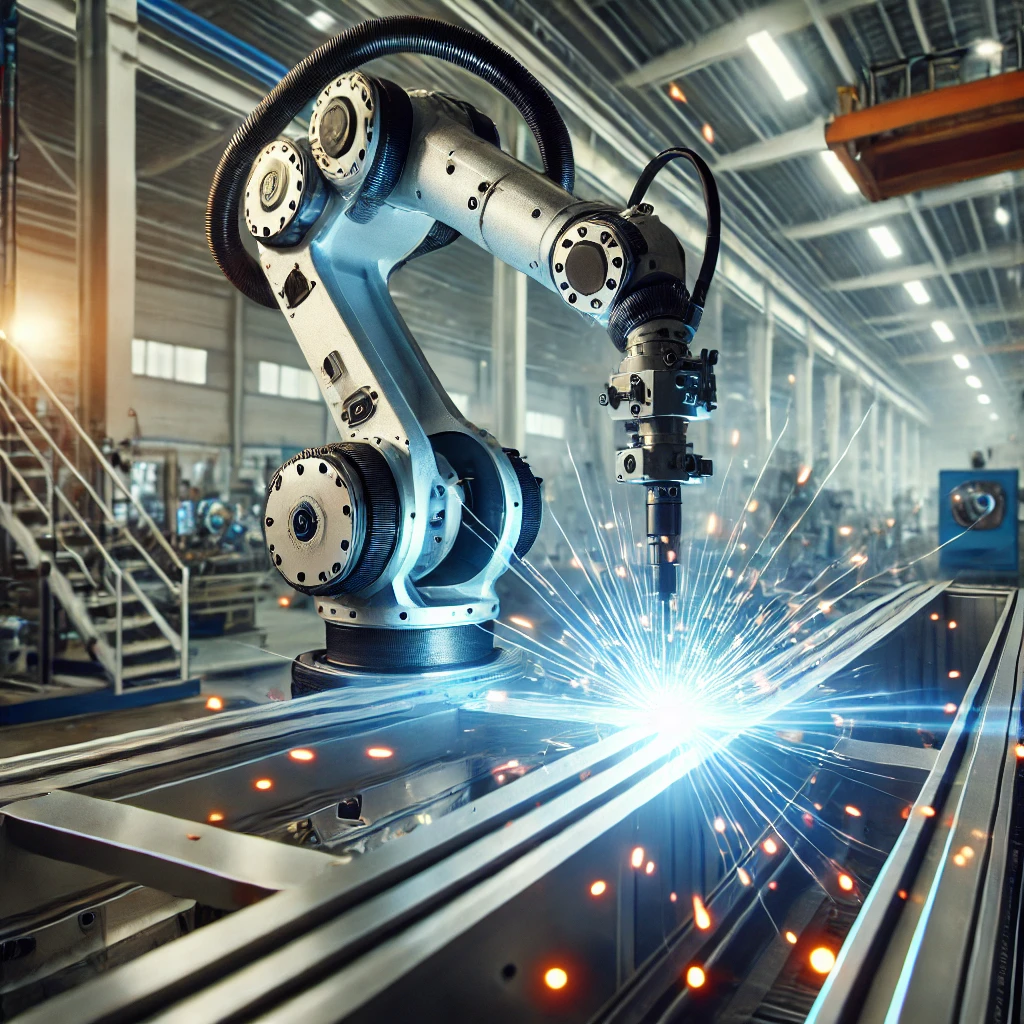
In manufacturing settings, humanoid robots can assemble components, move raw materials, inspect product quality, and operate machinery — all with consistent precision. This is especially valuable in industries where accuracy and speed directly affect output quality.
In warehouses and logistics centers, the physical demands on workers are high. Humanoid robots can carry heavy packages, organise shelves, and move goods across large spaces. This reduces physical strain on human workers and helps prevent long-term injuries caused by repetitive heavy lifting.
Healthcare, Offices, and Customer-Facing Roles
In hospitals and clinics, humanoid robots could support medical staff by transporting equipment between wards, guiding patients to the right departments, and assisting with administrative work. This allows doctors and nurses to spend more time on direct patient care.
In office settings, robots could manage document delivery, help schedule meetings, and handle basic communication tasks between departments. While these may seem like small contributions, they can save significant time across a large organisation.
Customer-facing roles are another area where humanoid robots show promise. In hotels, shopping centres, and corporate offices, robots equipped with voice recognition and natural language processing can greet visitors, answer frequently asked questions, and provide directions — all in a friendly and consistent manner.
Challenges and the Road Ahead
Despite the excitement, there are real challenges that need to be addressed before humanoid robots become a common sight in workplaces. The cost of developing and deploying these robots remains high. Programming them to handle unpredictable real-world situations is still a complex technical problem. There are also important questions around workforce impact, data privacy, and ethical use that businesses and policymakers will need to work through carefully.
However, as technology continues to advance and production costs come down, humanoid robots are expected to become more accessible to a wider range of businesses — not just large corporations. Startups and established robotics companies alike are investing heavily in making these systems smarter, safer, and more affordable.
In the coming years, workplaces that adopt humanoid robots thoughtfully — using them to support rather than replace their teams — are likely to see real gains in efficiency, safety, and employee satisfaction. The relationship between humans and robots at work is still being defined, but the direction is clear: collaboration, not competition, is the path forward.
Frequently Asked Questions
Humanoid robots can be used for a wide range of workplace tasks including assembling products in factories, carrying packages in warehouses, guiding patients in hospitals, welcoming visitors in offices, and handling repetitive administrative work.
The primary goal of humanoid robots in workplaces is to assist human workers, not replace them. They are designed to handle repetitive, physically demanding, or routine tasks so that employees can focus on work that requires creativity, judgment, and communication.
Manufacturing, warehousing and logistics, healthcare, retail, hospitality, and office environments are among the industries expected to benefit most from humanoid robot adoption in the coming years.