
Containerization vs Virtual Machines: What Every Developer Should Know
Containers and Virtual Machines both help deploy software, but they work very differently. This guide breaks down the key differences and helps you choose the right tool.

Containers and Virtual Machines both help deploy software, but they work very differently. This guide breaks down the key differences and helps you choose the right tool.

MLOps, or Machine Learning Operations, is the process that keeps AI models accurate and reliable in production. Learn how it works and why it matters for scaling AI.
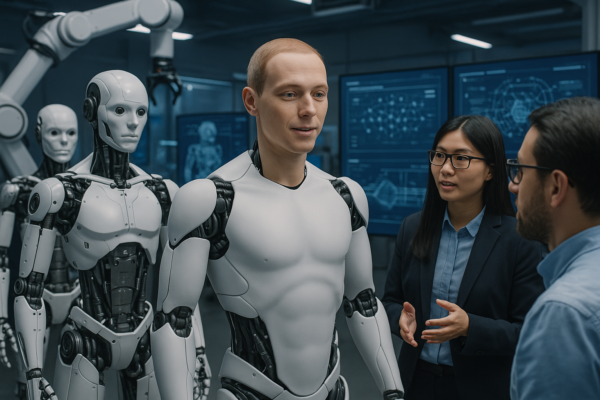
Humanoid robots have moved from science fiction to real-world use. Explore how they evolved, where AI has taken them, and how close we are to truly human-like machines.

Generative design is reshaping mechanical engineering by using AI algorithms to automatically generate hundreds of optimized design options, cutting costs and speeding up product development.
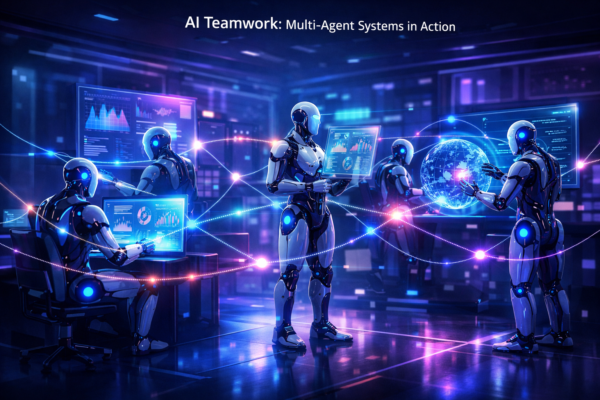
Multi-agent systems use multiple small AI programs working together like a team to handle complex tasks faster and smarter. Here is how they work and why they matter.

Decentralized Identity (DID) uses blockchain to give users full control over their personal data, replacing centralized platforms like Google and Facebook as identity gatekeepers.

Humanoid robots are moving from concept to reality. Discover how they will assist workers across manufacturing, healthcare, logistics, and offices in the near future.

Mixed reality wearables blend the physical and digital worlds in real time. From healthcare to education, here is how MR devices work and why they matter for the future.

Digital twin technology is transforming industries by creating real-time virtual replicas of factories, buildings, and entire cities — helping organizations monitor, predict, and optimize physical systems.

AI-enabled machine vision and voice control are changing industrial automation by giving machines the ability to see, understand, and respond to spoken commands with high accuracy.