Smart machines are getting smarter — and they no longer need a constant internet connection to prove it. On-device intelligence is reshaping how everyday devices process information, make decisions, and respond to the world around them. From smartphones to industrial robots, this technology is quietly powering a new era of faster, safer, and more independent machines.
What Is On-Device Intelligence?
On-device intelligence refers to the ability of a device to run artificial intelligence tasks directly on its own hardware — without relying on cloud servers or external networks. Instead of sending data to a remote server and waiting for a response, the device processes everything locally using built-in AI chips.
This approach is different from traditional cloud-based AI, where data travels back and forth between the device and a server. With on-device processing, the entire cycle — from data collection to decision-making — happens inside the device itself.
Key components that make this possible include:
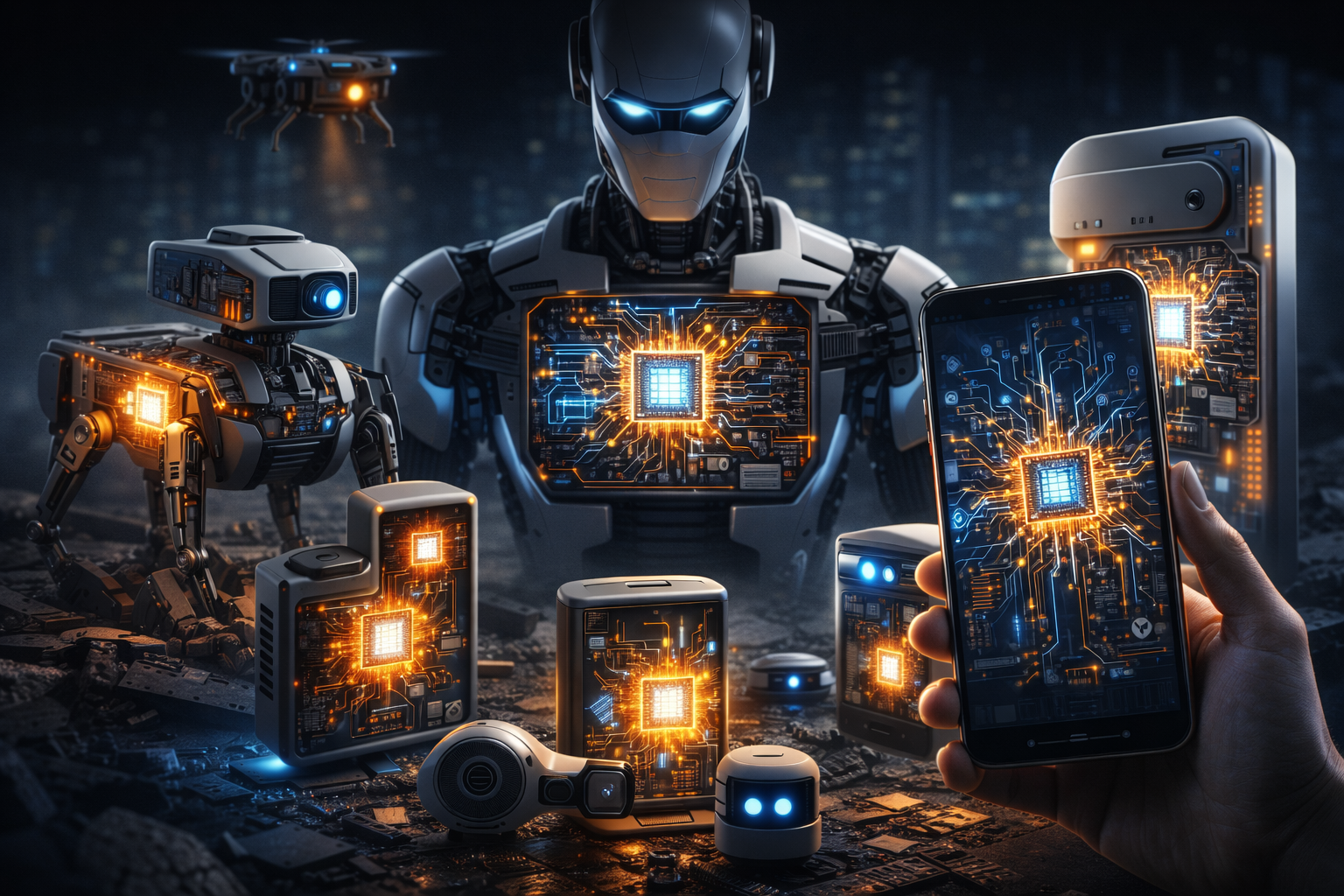
- Neural Processing Units (NPUs) — dedicated chips designed to handle AI workloads efficiently
- Edge AI software — optimized algorithms that run on limited hardware without sacrificing accuracy
- Sensors — cameras, microphones, and other inputs that feed real-world data into the system
Why On-Device Intelligence Matters More Than Ever
Cloud-based systems have served us well, but they come with real limitations. Network latency, server downtime, and data privacy concerns are problems that on-device intelligence directly addresses.
| Feature | Cloud-Based AI | On-Device AI |
|---|---|---|
| Response Speed | Slower due to network delays | Real-time, instant decisions |
| Internet Dependency | Required at all times | Works offline |
| Data Privacy | Data sent to external servers | Data stays on the device |
| Operating Cost | Higher cloud service costs | Lower long-term costs |
| Reliability | Depends on server uptime | Consistent and independent |
For applications where even a fraction of a second matters — such as self-driving vehicles, medical devices, or industrial robots — on-device processing is not just convenient, it is critical.
Real-World Applications Across Industries
On-device intelligence is already embedded in products and systems that millions of people use every day. Here is how it is being applied across different sectors:
- Smartphones and Wearables: Devices like modern Android phones and iPhones use on-device AI for face recognition, voice assistants, real-time photo enhancement, and health monitoring through smartwatches.
- Autonomous Robots: Industrial and service robots rely on local AI to navigate spaces, detect obstacles, and complete tasks without waiting for remote instructions.
- Smart Cities and IoT: Traffic management systems, smart energy grids, and environmental sensors use edge AI to process data locally and respond to changing conditions in real time.
- Healthcare Devices: Wearable health monitors and diagnostic tools process patient data on-device to provide immediate alerts without exposing sensitive medical information to external networks.
- Security Cameras: Smart surveillance systems use on-device AI to detect motion, identify faces, or flag unusual activity without streaming all footage to the cloud.
Challenges That Still Need Solving
On-device intelligence is powerful, but it is not without its hurdles. Running complex AI models on compact hardware is technically demanding.
The main challenges include:
- Battery consumption: AI processing requires significant power, which can drain batteries quickly on portable devices.
- Hardware limitations: Smaller devices have limited memory and processing power compared to cloud servers.
- Model size: Large AI models need to be compressed and optimized to fit within the constraints of edge hardware without losing performance.
- Software updates: Keeping on-device AI models updated without relying on cloud connectivity adds complexity for developers.
However, rapid advances in chip design — including more efficient NPUs from companies like Qualcomm, Apple, and MediaTek — and improvements in model compression techniques are steadily closing these gaps.
What the Future Looks Like for On-Device AI
The trajectory for on-device intelligence is clearly upward. As AI chips become more powerful and energy-efficient, even low-cost devices will be capable of running sophisticated models locally. This will expand access to smart technology in areas with limited internet infrastructure, including rural regions across India and other developing markets.
Emerging trends to watch include:
- Tighter integration of AI hardware into everyday appliances and vehicles
- Growth of federated learning, where devices learn from local data without sharing it externally
- Expansion of on-device AI in agriculture, manufacturing, and logistics
- Stronger regulatory push for data privacy, making local processing a compliance advantage
On-device intelligence is not replacing cloud computing entirely — both will coexist. But for tasks that demand speed, privacy, and reliability, processing data at the source is becoming the preferred approach.
As smart machines continue to take on more responsibility in our daily lives and critical industries, the ability to think and act independently — without waiting for a server response — will define the next generation of intelligent technology.
Frequently Asked Questions
On-device intelligence means a device can run AI tasks on its own hardware without sending data to the internet or cloud servers. The device collects, processes, and acts on data entirely by itself, making it faster and more private.
On-device AI offers faster response times, better data privacy, lower cloud costs, and the ability to work without an internet connection. It is especially useful in applications like self-driving systems, healthcare devices, and smart cameras where speed and reliability are critical.
The main challenges include limited battery life, restricted hardware memory and processing power, the need to compress large AI models, and keeping software updated without cloud access. Advances in AI chip design and model optimization are helping address these issues.