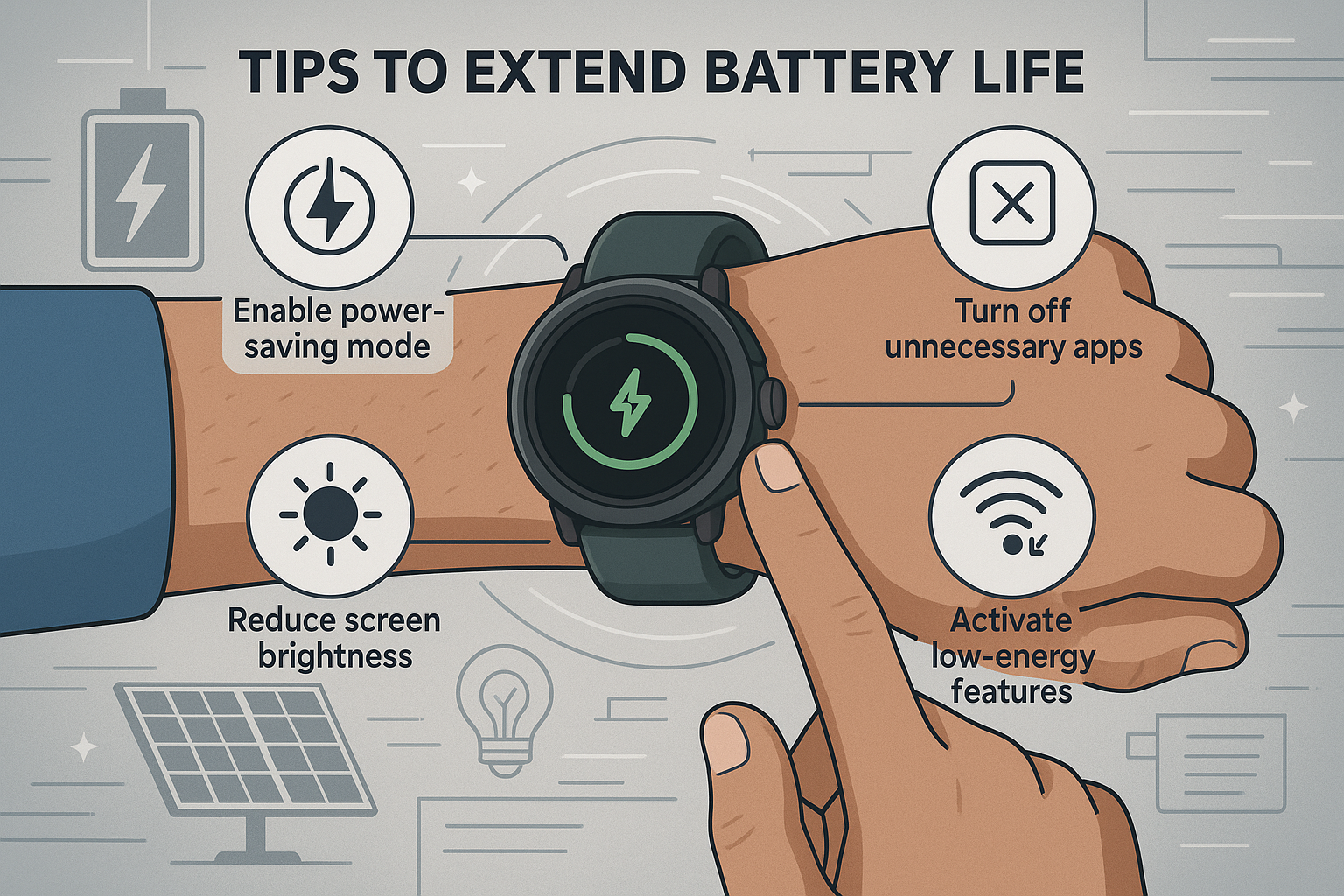

As sustainability becomes a priority for consumers worldwide, the wearable technology industry is responding with a new generation of devices that run on renewable energy. Solar-powered smartwatches and kinetic energy fitness trackers are no longer just concepts — they are real products reshaping how we think about everyday gadgets and their environmental impact.
What Makes a Wearable Truly Eco-Friendly?
Eco-friendly wearables are designed to generate their own power using natural and renewable sources, reducing or eliminating the need for daily charging through a wall socket. These devices primarily rely on two energy sources:
- Solar energy — Miniature solar panels embedded in the device capture sunlight and convert it into usable electricity.
- Kinetic energy — Movement from everyday activities like walking, running, or even wrist gestures is converted into electrical power through small internal generators.
By combining both sources, these wearables can stay charged for extended periods without needing a traditional charger. This makes them practical for active users and environmentally conscious consumers alike.
Why the Shift Toward Green Wearables Matters
Conventional smartwatches and fitness bands require frequent charging and rely on lithium-ion batteries that degrade over time and contribute to growing electronic waste. The global e-waste problem is significant, and consumer electronics play a notable role in it.
Eco-friendly wearables address this issue in several meaningful ways:
- Lower energy consumption — Devices that self-charge reduce the demand on household electricity.
- Reduced battery waste — Longer-lasting rechargeable systems mean fewer batteries end up in landfills.
- Smaller carbon footprint — Less energy use and less waste together contribute to a cleaner environment.
For everyday users, this also translates into fewer interruptions. A device that charges itself while you move or step outside is simply more convenient than one that needs to be plugged in every night.
How Solar and Kinetic Power Work Together
The combination of solar and kinetic energy harvesting is what makes these wearables particularly effective. Consider a morning run on a sunny day — every step generates kinetic energy while sunlight simultaneously feeds the solar cells on the device’s surface.
Solar cells use photovoltaic technology to convert light into electricity. Kinetic generators, often based on piezoelectric or electromagnetic principles, capture mechanical energy from body movement and convert it into electrical current. Together, these two systems can keep a wearable’s battery topped up throughout the day under normal usage conditions.
This dual-charging approach means users in both sunny outdoor environments and low-light indoor settings can benefit, since kinetic energy continues to work regardless of weather or lighting conditions.
Key Benefits of Switching to Energy-Harvesting Wearables
Beyond the environmental angle, solar and kinetic powered wearables offer practical advantages that appeal to a wide range of users:
- Convenience — No need to remember to charge your device every night.
- Cost savings — Reduced electricity usage and fewer battery replacements lower long-term costs.
- Environmental responsibility — Less e-waste and lower energy consumption support sustainability goals.
- Reliability — A device that charges through movement and light is less likely to die at a critical moment.
| Feature | Traditional Wearables | Eco-Friendly Wearables |
|---|---|---|
| Charging Method | Wall charger or dock | Solar panels and kinetic energy |
| Battery Waste | Higher | Lower |
| Energy Cost | Ongoing electricity use | Minimal to none |
| Environmental Impact | Higher carbon footprint | Significantly reduced |
Real Products and What the Future Holds
Several companies are already bringing these ideas to market. Garmin has introduced solar-charging smartwatches that extend battery life significantly for outdoor enthusiasts. Matrix PowerWatch has developed a smartwatch that runs entirely on body heat and kinetic energy, requiring no charging at all under normal use.
These products prove that energy-harvesting wearables are not a distant concept — they are available today and improving rapidly. Researchers are working on lighter and more efficient materials for energy harvesting, including flexible solar films that can be integrated into fabric and advanced piezoelectric materials that generate more power from smaller movements.
Industry analysts expect that as these technologies become more affordable and efficient, a growing number of mainstream wearable brands will adopt them. The goal is a future where most wearables charge themselves passively as users go about their daily lives.
For consumers looking to reduce their environmental impact without sacrificing the convenience of modern wearable technology, solar and kinetic powered devices represent a practical and forward-thinking choice. As the technology matures, these green wearables are set to become the standard rather than the exception.
Frequently Asked Questions
Solar-powered wearables are most effective in direct sunlight, but many also use kinetic energy harvesting as a backup. This means your movement indoors continues to charge the device even when sunlight is not available, keeping the battery topped up throughout the day.
Garmin is a leading brand offering solar-charging smartwatches, particularly in its Fenix and Instinct series. Matrix PowerWatch is another notable brand that produces smartwatches powered entirely by body heat and kinetic energy without any traditional charging.
Eco-friendly wearables with solar or kinetic charging can have a higher upfront cost compared to standard smartwatches. However, they offer long-term savings by reducing electricity usage and the need for battery replacements, making them cost-effective over time.