
Automation is no longer just about machines doing repetitive tasks. Today, smart automation combines artificial intelligence, robotics, connected systems, and advanced software to make work faster, more accurate, and far more efficient. Businesses across industries are investing in these technologies to stay competitive, reduce costs, and improve productivity. Here is a clear look at the key trends defining the future of smart automation.
What Smart Automation Actually Means
Smart automation goes beyond following fixed instructions. It refers to systems that can understand data, respond to changing situations, and complete tasks with greater accuracy and less human effort.
Unlike traditional automation, which handled only simple and repetitive jobs, smart automation can be applied across a wide range of industries — from offices and hospitals to factories and logistics centers. The core idea is to help people focus on higher-value work while technology handles the routine and data-heavy tasks.
- Offices: Automating reports, scheduling, and data entry
- Healthcare: Managing patient records and supporting diagnostics
- Warehouses: Handling storage, tracking, and packing
- Manufacturing: Improving production speed, quality, and safety
How AI Is Making Automation More Powerful
Artificial intelligence is one of the biggest forces driving the growth of smart automation. AI allows machines and software to do much more than basic tasks. It can study large amounts of data, identify patterns, offer suggestions, and in some cases make small decisions without human input.
This makes automation far more flexible and practical. AI-powered customer support tools can answer complex questions. Business intelligence systems can process reports in seconds. Workflow management platforms can predict bottlenecks before they happen. The result is automation that adapts to real-world needs rather than just following a fixed script.
A fast-growing area within this space is AI agents — tools that can handle complete multi-step processes independently. Instead of performing one small action, an AI agent can collect data, organize it, send updates, and trigger the next step in a workflow without constant human supervision. This is a significant shift for businesses that want end-to-end automation rather than isolated task handling.
Robotics and Physical AI Are Changing Real-World Operations
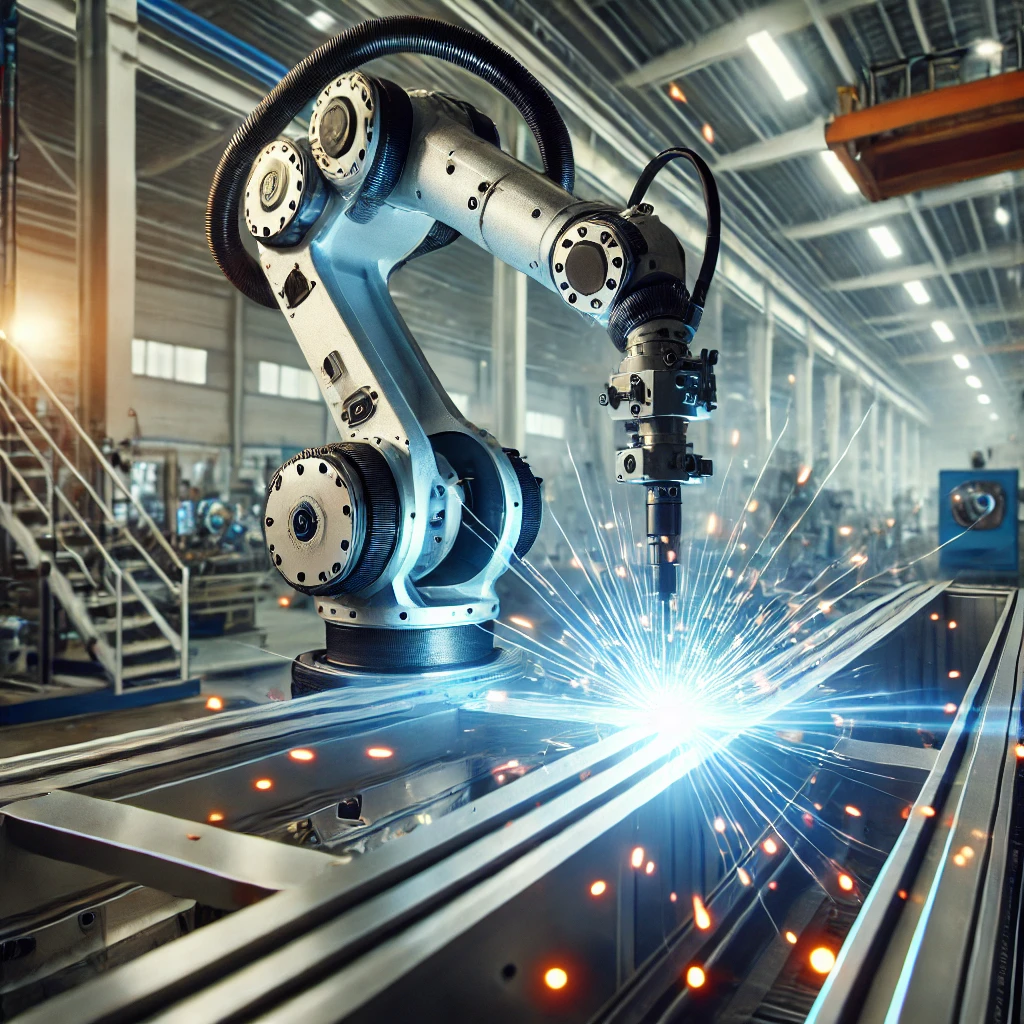
Robotics has moved well beyond factory assembly lines. Modern robots are smarter, more flexible, and capable of working in dynamic environments. They are now being deployed in warehouses, hospitals, logistics centers, and manufacturing plants to carry out tasks that were previously too complex or physically demanding for machines.
A key development driving this change is physical AI — the use of artificial intelligence in physical machines and devices that operate in the real world. Physical AI helps robots understand their surroundings, react to movement and objects, and adapt to changing spaces. This makes them far more useful in practical settings compared to older robots that could only work under fixed, controlled conditions.
| Area | How Robotics Is Being Used |
|---|---|
| Warehouses | Storage management, packing, and order fulfillment |
| Manufacturing | Production line automation, quality checks, machine monitoring |
| Healthcare | Surgical assistance, patient support, and medication delivery |
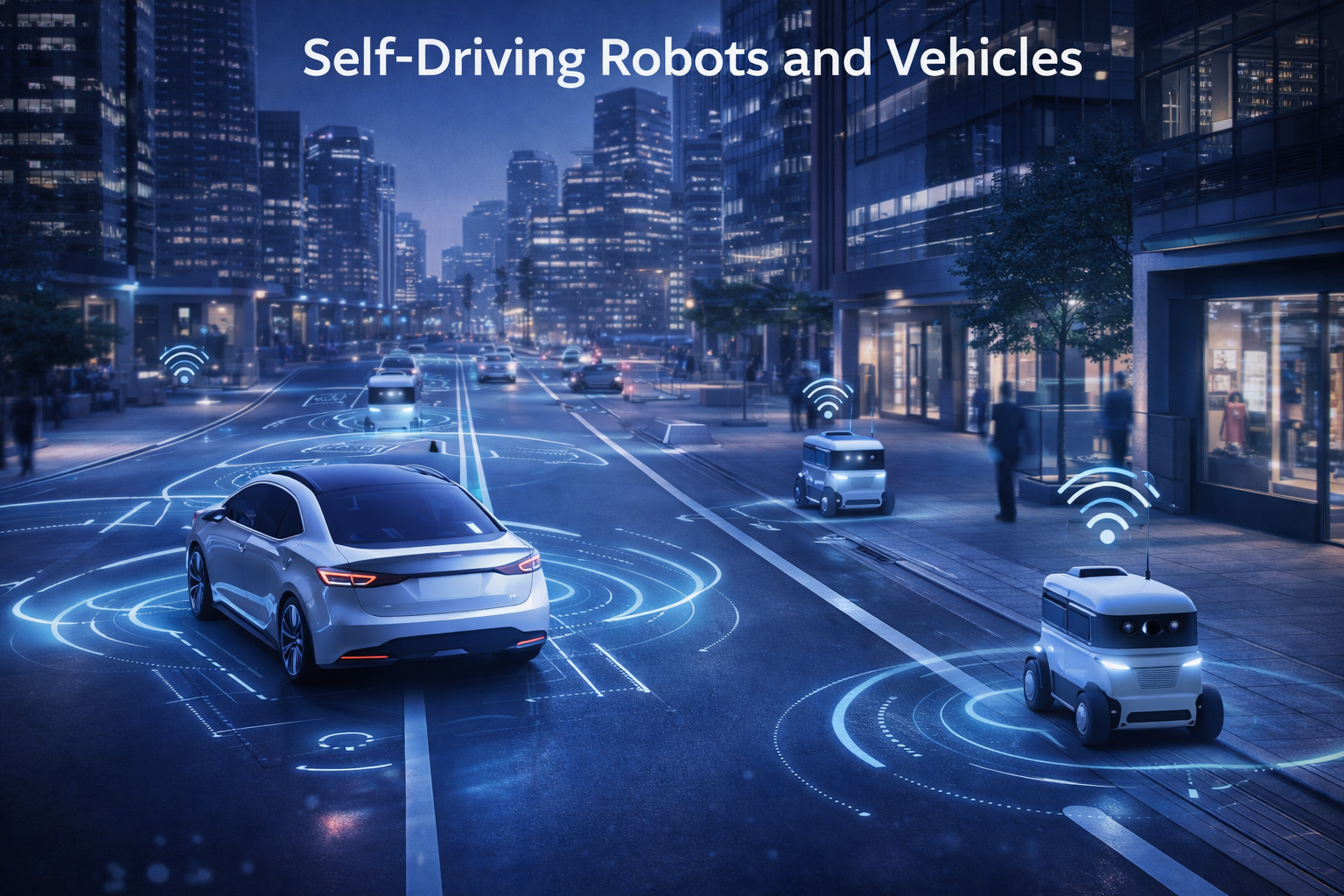
| Logistics | Sorting, transporting goods, and last-mile delivery support |
Warehouse and Manufacturing Automation Are Growing Rapidly
Two of the fastest-growing areas for smart automation are warehouses and manufacturing facilities. As online shopping continues to expand and global supply chains become more complex, businesses need faster and more reliable ways to manage inventory, fulfill orders, and track shipments.
Warehouse automation uses robots, AI systems, and smart software to handle storage, tracking, packing, and delivery operations. This reduces errors, speeds up order processing, and takes over physically tiring jobs from workers.
In manufacturing, factories are using sensors, robots, and AI-driven systems to improve production speed, reduce waste, and prevent machine breakdowns. Predictive maintenance tools can detect potential equipment failures before they occur, saving businesses significant time and money. Smart automation is making manufacturing more efficient and more competitive on a global scale.
Humans and Machines Working Together — Not Against Each Other
One of the most common concerns about automation is job displacement. While it is true that some repetitive roles will change, the broader picture is more about collaboration than replacement.
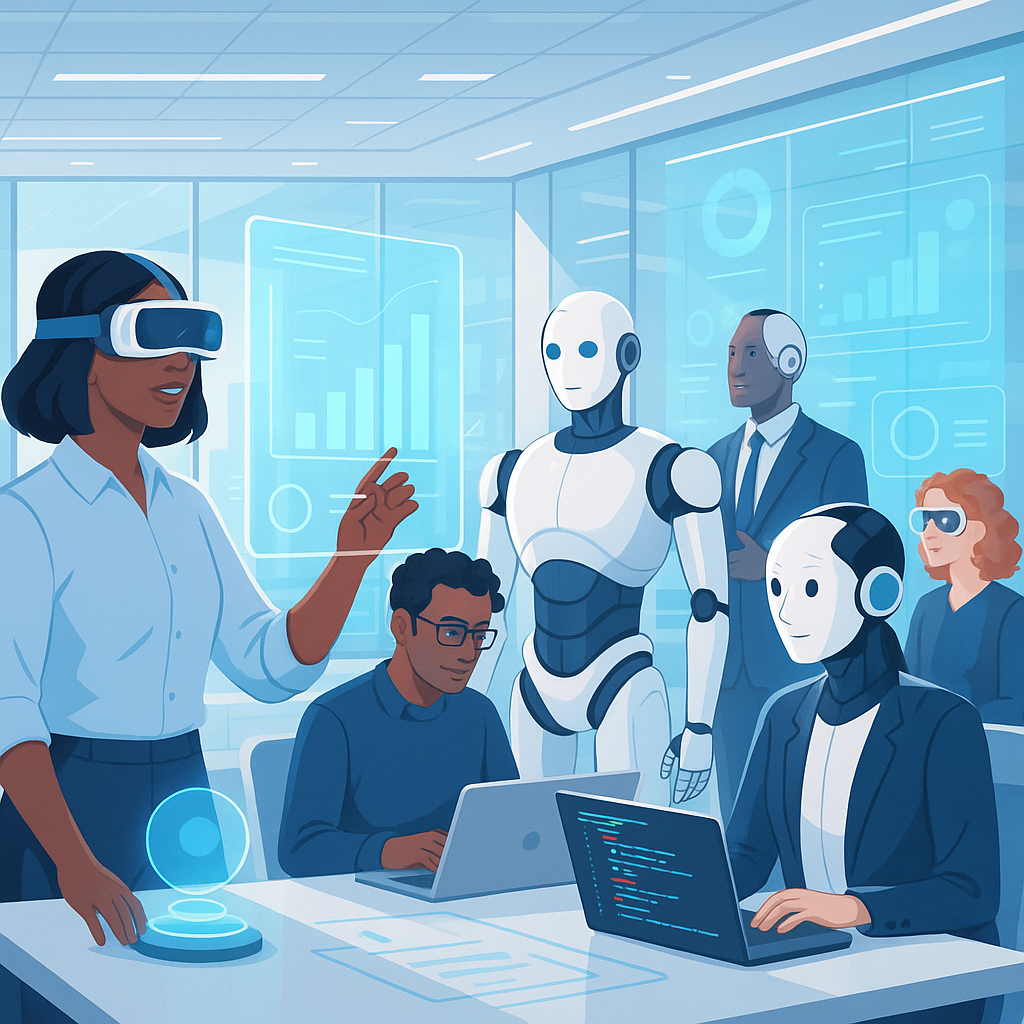
Smart automation handles time-consuming, data-heavy, and physically demanding work. This frees up people to focus on creative thinking, strategic planning, problem-solving, and building customer relationships — areas where human judgment and empathy remain essential.
Businesses that adopt this human-machine collaboration model tend to see better results than those that try to automate everything or resist automation entirely. The goal is to use technology as a support system, not a substitute for human capability.
As automation becomes more capable, trust, safety, and control will also become critical priorities. AI systems and robots must be thoroughly tested and responsibly deployed — especially in sensitive sectors like healthcare, finance, transport, and public services. Reliable, secure, and well-managed automation systems will be the standard that businesses are held to in the years ahead.
Why Businesses Must Pay Attention to These Trends Now
Smart automation is already reshaping how industries operate. Organizations that understand and adopt these trends early will be better positioned to grow, reduce costs, and deliver stronger results. Those that wait risk falling behind competitors who are already building smarter, faster, and more efficient operations.
The key trends to watch include:
- AI agents handling complete workflows independently
- Physical AI making robots more adaptable in real environments
- Warehouse automation supporting faster and more accurate fulfillment
- Manufacturing automation improving production quality and reducing downtime
- Human-machine collaboration creating more productive and balanced workplaces
Whether you are a business leader, a technology professional, or someone curious about where work is heading, smart automation is one of the most important areas to understand right now.
The future belongs to organizations and individuals who can work alongside intelligent systems — using technology not just to do more, but to do better.
Frequently Asked Questions
Smart automation uses AI, robotics, and connected systems to handle complex tasks intelligently. Unlike traditional automation that follows fixed instructions, smart automation can understand data, adapt to situations, and complete multi-step processes with minimal human input.
Smart automation is more likely to change the nature of work than eliminate jobs entirely. It handles repetitive, data-heavy, and physically demanding tasks, freeing people to focus on creative thinking, planning, and customer relationships. The future is largely about humans and machines working together.
Warehousing, manufacturing, healthcare, logistics, and customer service are among the industries seeing the biggest impact from smart automation. Robots, AI agents, and intelligent software systems are being widely adopted in these sectors to improve speed, accuracy, and efficiency.