The rise of online shopping has pushed warehouses to their limits. Orders pour in around the clock, and the pressure to deliver quickly has never been greater. To meet this demand, companies across the world are turning to warehouse robots — machines that pick, pack, sort, and move goods with speed and precision that humans alone cannot match.
What Do Warehouse Robots Actually Do?
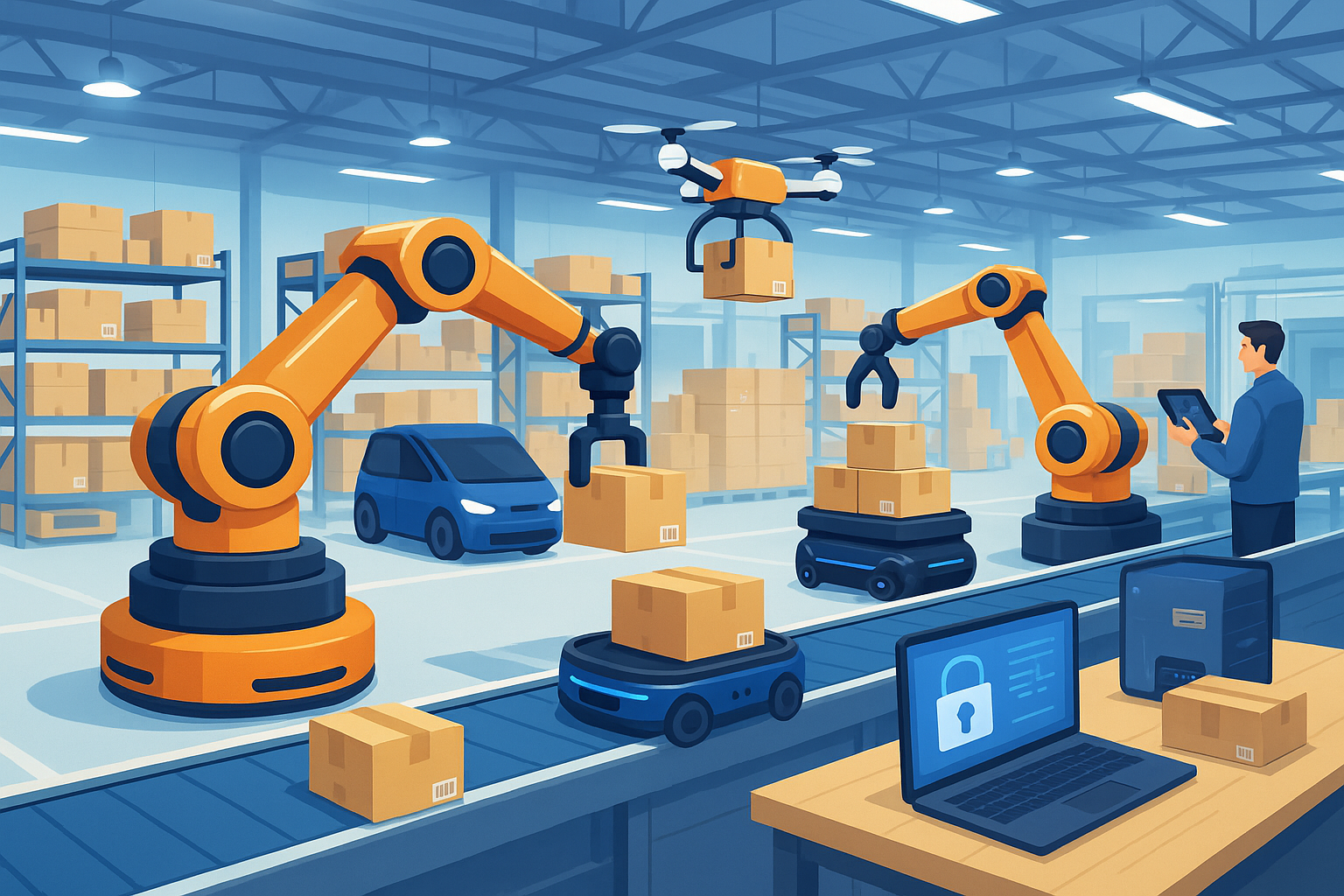
Warehouse robots are not just a single type of machine. They come in several forms, each designed for specific tasks inside a storage or distribution facility. Some work alongside human staff, while others operate entirely on their own.
- AGVs (Automated Guided Vehicles): These robots follow fixed paths on the warehouse floor to transport goods from one location to another. They are reliable for repetitive, predictable routes.
- AMRs (Autonomous Mobile Robots): Unlike AGVs, AMRs use built-in cameras and sensors to navigate freely. They can adjust their path in real time to avoid obstacles.
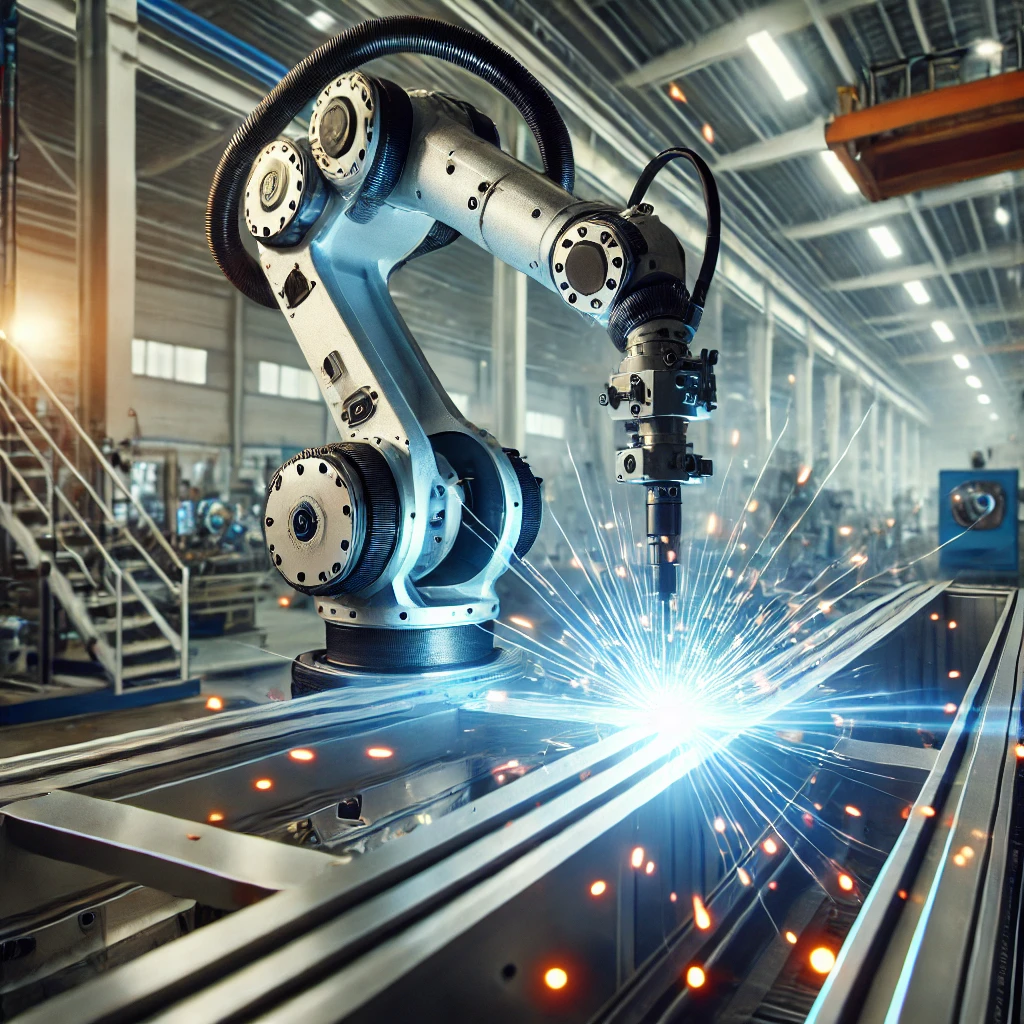
- Robotic Arms: These machines are built for picking, selecting, and packaging items with high speed and accuracy. They reduce the physical strain on human workers.
- Drones: Flying robots used mainly for stock checks on high shelves or in large warehouse spaces where human access is difficult or slow.
Why More Companies Are Adopting Warehouse Automation
The shift toward warehouse robotics is driven by clear, practical benefits that affect both operations and the bottom line.
- Round-the-clock operations: Robots do not need breaks, sleep, or shift changes. They can work continuously, helping warehouses ship more orders in less time.
- Fewer errors: Human mistakes during picking and packing can lead to wrong deliveries and costly returns. Robots follow programmed instructions precisely, cutting error rates significantly.
- Long-term cost savings: The upfront investment in robotics is high, but over time companies save on labour costs, reduce waste, and improve throughput — making the investment worthwhile.
- Real-time inventory tracking: Smart robots can scan products and update stock levels instantly. This helps warehouse managers avoid unexpected shortages and overstock situations.
- Improved worker safety: Robots take on heavy lifting and repetitive tasks that often cause injuries. This protects human workers and reduces workplace accidents.
Real-World Examples of Warehouse Robots in Action
Several major companies have already integrated robots into their warehouse operations, and the results speak for themselves.
- Amazon uses thousands of robots across its fulfilment centres to transport product shelves directly to human pickers, dramatically speeding up order processing.
- Walmart is testing robots to scan store shelves and track inventory levels, helping staff restock products more efficiently.
- Small businesses are also entering the space through Robotics-as-a-Service (RaaS) — a model where companies lease robots instead of buying them outright, making automation accessible without massive capital investment.
Comparing Key Warehouse Robot Types
| Robot Type | Main Function | Key Advantage |
|---|---|---|
| AGV | Fixed-route transport | Reliable and consistent |
| AMR | Flexible navigation | Adapts to changing environments |
| Robotic Arm | Picking and packing | High speed and precision |
| Drone | Inventory scanning | Reaches difficult areas quickly |
Challenges Businesses Must Plan For
Warehouse robotics brings clear advantages, but companies need to be aware of the challenges before making the leap.
- High initial investment: Purchasing and installing robots requires significant capital. Businesses need a clear plan to recover costs over time.
- System integration: Robots must work smoothly with existing warehouse management software and logistics systems. Poor integration can cause delays rather than fix them.
- Staff training: Workers need proper training to operate, monitor, and maintain robotic systems. This takes time and resources but is essential for long-term success.
Despite these challenges, the trend is clear. Warehouse automation is no longer limited to large corporations. With models like RaaS making robots more accessible, even mid-sized and small businesses can benefit from smarter, faster warehouse operations. Companies that invest in the right technology today are better placed to handle the growing demands of e-commerce tomorrow.
Frequently Asked Questions
The most common warehouse robots include Automated Guided Vehicles (AGVs) for fixed-route transport, Autonomous Mobile Robots (AMRs) for flexible navigation, robotic arms for picking and packing, and drones for inventory scanning in hard-to-reach areas.
No. While Amazon and Walmart are well-known for using warehouse robots, smaller businesses can also access this technology through Robotics-as-a-Service (RaaS), which allows companies to lease robots instead of purchasing them outright.
The key challenges include the high upfront cost of purchasing and installing robots, the need to integrate them with existing warehouse management systems, and the requirement to train staff to operate and maintain the machines effectively.