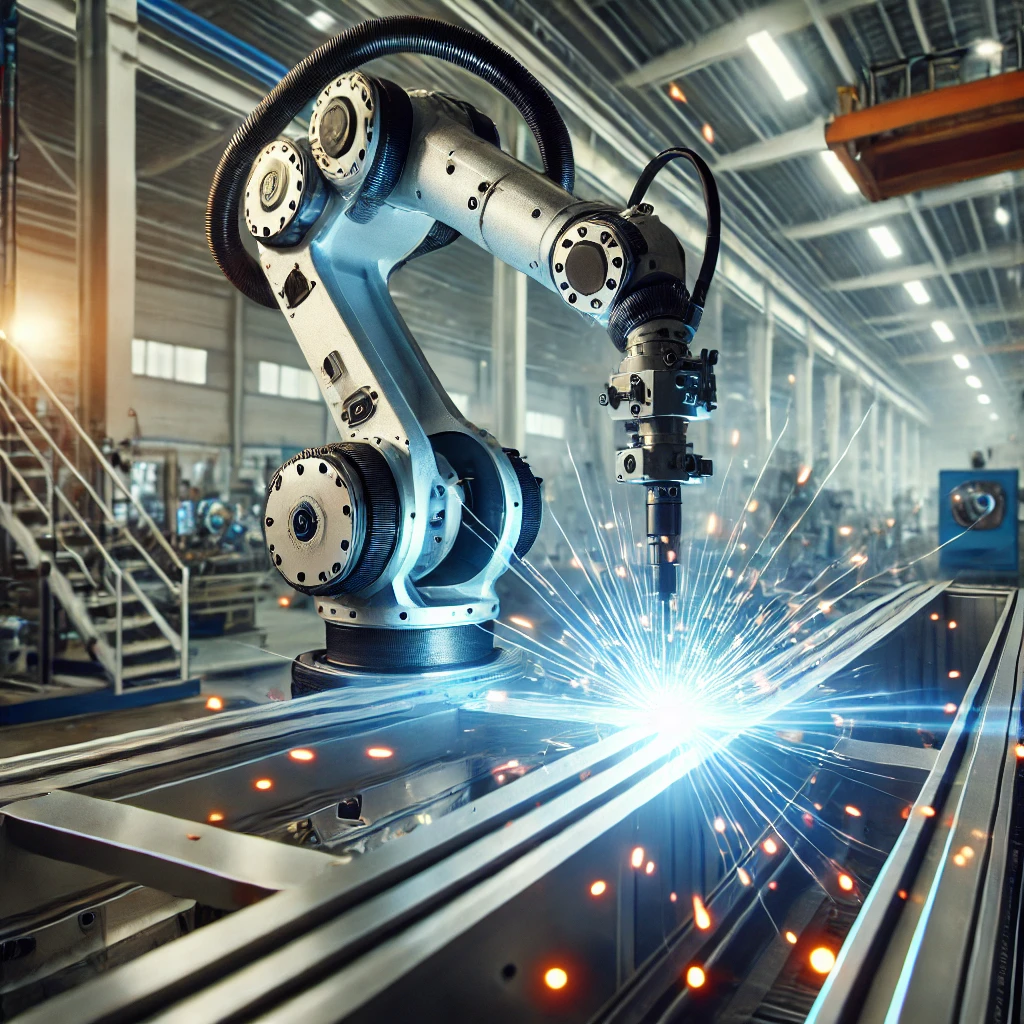
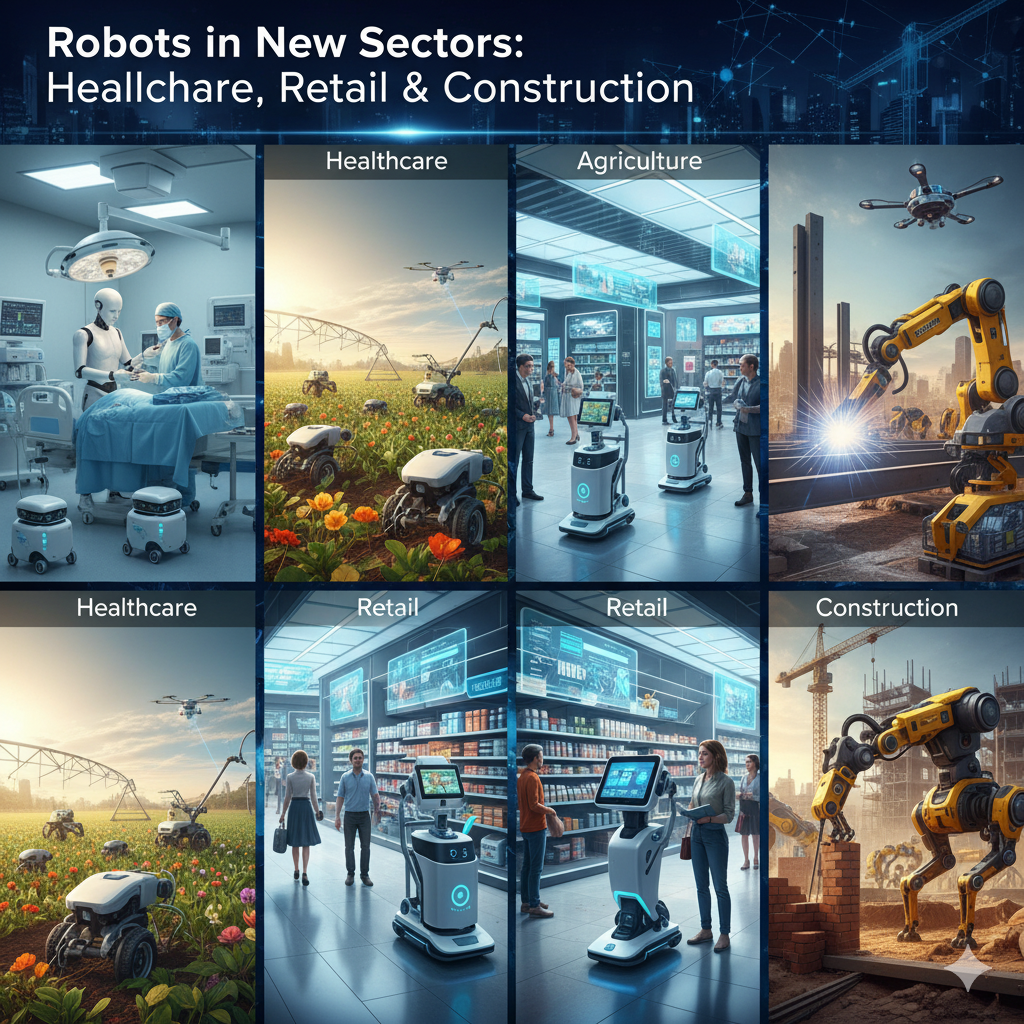
Robots have moved well beyond factory assembly lines. Powered by AI, smart sensors, and advanced automation, they are now active in hospitals, farms, shopping stores, and construction sites. These machines are helping industries work faster, safer, and more efficiently — and their impact is only growing.
Robots in Healthcare – Making Patient Care Safer and Smarter
Healthcare is one of the most critical sectors where robots are making a real difference. From operating theatres to elderly care homes, robotic systems are improving outcomes for both patients and medical professionals.
- Surgical Robots – Surgeons use robotic systems to perform highly precise operations. These robots reduce patient pain, speed up recovery, and lower the risk of complications during complex procedures.
- Patient Care Robots – Inside hospitals, robots deliver medicines, assist in moving patients between wards, and even provide companionship to elderly individuals in care facilities.
- Remote Consultation Robots – Telepresence robots allow doctors to examine and communicate with patients in remote or rural areas without needing to be physically present, expanding access to quality healthcare.
The result is treatment that is safer, faster, and available to a much wider population — including people in areas with limited medical infrastructure.
Robots in Agriculture – Helping Farmers Grow More with Less
Indian farmers and agricultural workers worldwide are beginning to benefit from robotic technology that reduces physical strain and improves crop yields.
- Agricultural Drones – Drones fly over fields to monitor crop health, spray pesticides accurately, and track irrigation needs, reducing waste and improving efficiency.
- Harvesting Robots – Robotic harvesters pick fruits, vegetables, and grains with speed and consistency, saving farmers significant time and reducing dependence on seasonal manual labour.
- Soil and Weed Management Robots – Specialised robots scan soil conditions, identify weeds, and optimise fertiliser application to improve overall harvest quality and reduce input costs.
Farm robots help produce more food using fewer resources, which is especially important as global food demand continues to rise.
Robots in Retail – Changing How Stores Operate and Customers Shop
Retail businesses are adopting robots to improve customer experience and streamline backend operations. Both large supermarkets and smaller stores are exploring robotic solutions.
- Customer Service Robots – Robots stationed in malls and retail outlets guide customers, answer product queries, and suggest items based on customer needs.
- Inventory Management Robots – These robots scan store shelves, identify out-of-stock products, and automatically update inventory systems, reducing manual stock-checking work.
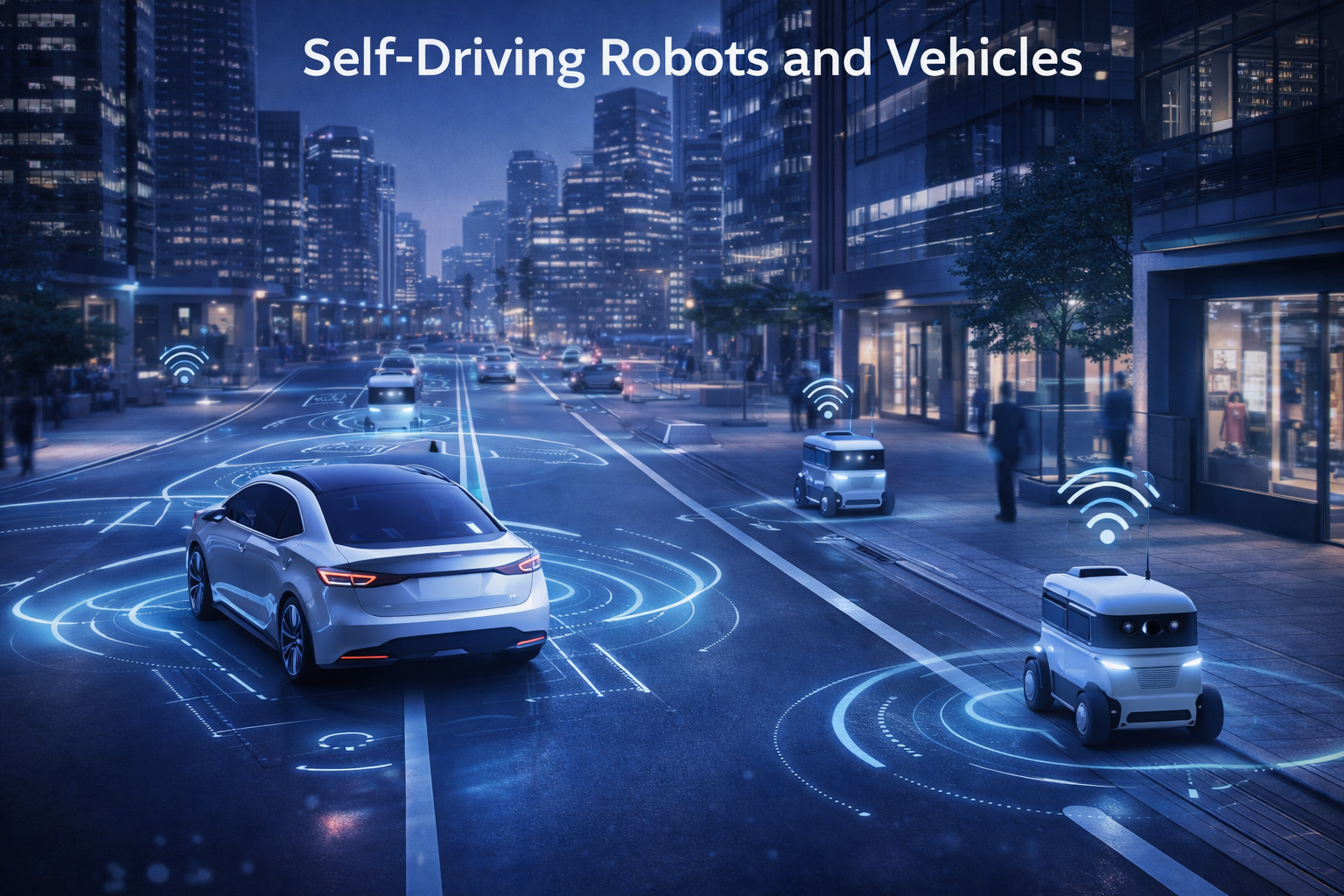
- Last-Mile Delivery Robots – Small autonomous robots are being used to deliver groceries, packages, and food orders directly to customers’ homes, making delivery faster and more cost-effective.
For store owners, robots reduce operational costs. For customers, they mean quicker service and a more convenient shopping experience.
Robots in Construction – Building Faster and Safer
Construction is a physically demanding and often dangerous industry. Robots are now helping reduce workplace accidents, speed up project timelines, and improve the quality of structures being built.
- Bricklaying Robots – These machines lay bricks at a pace far exceeding human workers, helping complete walls and structures much faster on large projects.
- 3D Printing Robots – Advanced robotic systems can 3D print entire houses or building sections layer by layer using specialised construction materials, reducing both time and material waste.
- Inspection Drones – Drones survey active construction sites to monitor safety compliance, track project progress, and identify structural issues before they become serious problems.
- Heavy-Lifting Machines – Robotic machines transport heavy construction materials across sites, significantly reducing the risk of worker injuries caused by manual lifting.
By taking over the most physically risky and repetitive tasks, construction robots are helping build a safer working environment while also cutting project costs.
A Quick Look at Robots Across Key Sectors
| Sector | Key Robot Types | Main Benefit |
|---|---|---|
| Healthcare | Surgical, Care, Telepresence Robots | Safer treatment, wider access |
| Agriculture | Drones, Harvesting, Soil Robots | Higher yields, less manual labour |
| Retail | Service, Inventory, Delivery Robots | Better customer experience |
| Construction | Bricklaying, 3D Printing, Drones | Faster builds, improved safety |
Across all four sectors, the common thread is clear — robots are not replacing human purpose, but they are handling the tasks that are repetitive, dangerous, or time-consuming, freeing people to focus on more skilled and creative work.
As robotic technology becomes more affordable and accessible, its adoption across industries in India and globally is expected to accelerate. The future of work will increasingly involve humans and robots operating side by side, each contributing their strengths to build a more productive world.
Frequently Asked Questions
Robots in healthcare are used for precise surgical procedures, delivering medicines inside hospitals, transporting patients, providing elderly care, and enabling doctors to consult with patients in remote areas through telepresence robots.
Agriculture uses drones to monitor crop health and spray pesticides, harvesting robots to pick fruits and vegetables, and soil management robots that scan soil conditions, detect weeds, and optimise fertiliser use to improve yields.
Yes, construction robots are designed to improve worker safety. They handle dangerous tasks like heavy lifting, work at heights, and operate in hazardous conditions, reducing the risk of injuries and accidents on construction sites.