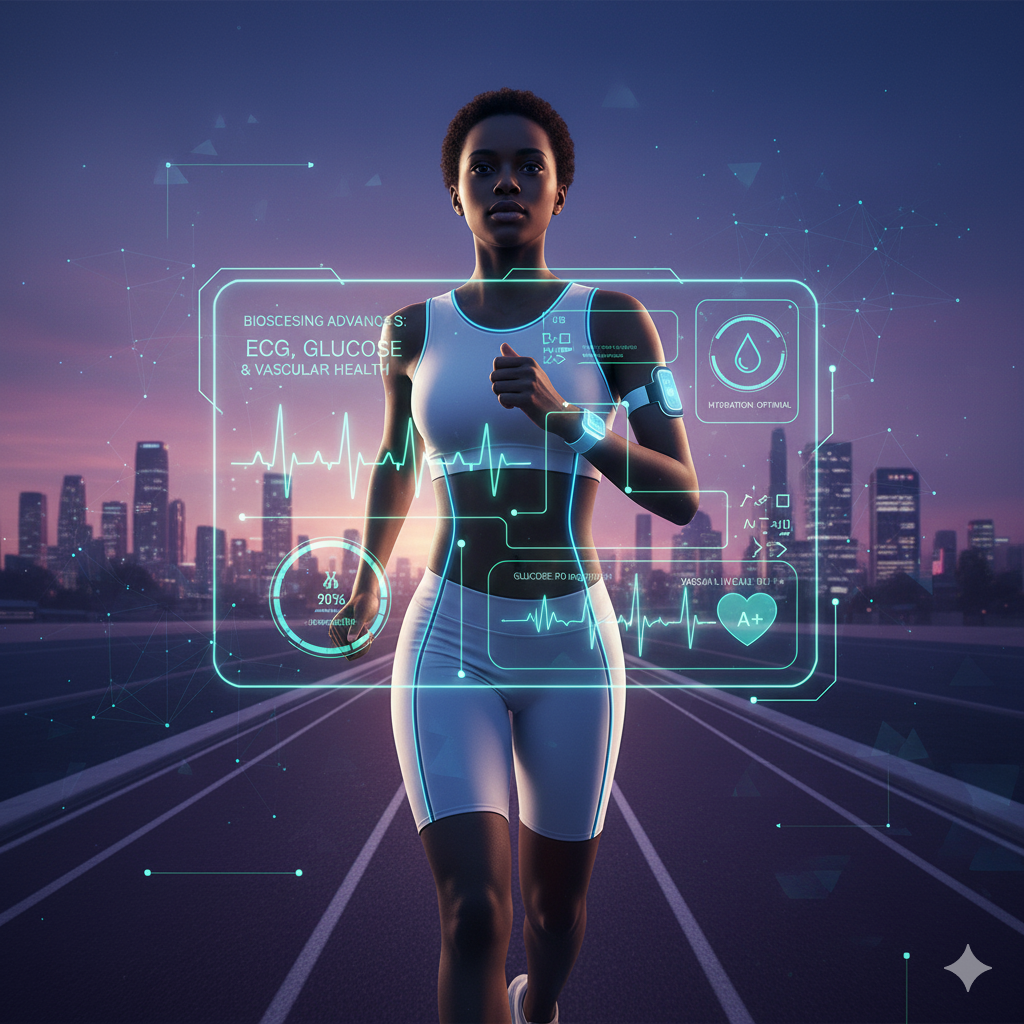
Smartwatches, fitness bands, and smart rings have come a long way from simply counting steps or tracking calories. Today, advanced biosensing technology built into these devices can monitor your heart rhythm, blood sugar levels, hydration status, and even the health of your blood vessels — all from your wrist or finger. This shift is turning everyday wearables into powerful personal health tools.
ECG Monitoring: Your Heart Check-Up on Your Wrist
An electrocardiogram, or ECG, records the electrical activity of your heart and reveals whether it is beating normally or showing irregularities. Traditionally, getting an ECG meant visiting a clinic or hospital. That has changed significantly.
Many modern smartwatches now carry built-in ECG sensors. By simply placing a finger on the watch crown or sensor pad, users can record their heart rhythm in seconds. The data can be shared directly with a cardiologist for review.
One of the most important conditions these sensors can flag is atrial fibrillation (AFib) — an irregular heartbeat that raises the risk of stroke and heart failure. Early detection through a wearable ECG can prompt timely medical attention before the condition becomes life-threatening.
- Records heart rhythm in seconds without clinical equipment
- Detects early signs of atrial fibrillation
- Allows easy data sharing with doctors
- Suitable for daily passive monitoring
Non-Invasive Glucose Tracking: No More Finger Pricks
Blood glucose, or blood sugar, is a critical health marker — especially for the millions of Indians living with Type 1 or Type 2 diabetes. Traditionally, checking blood sugar required pricking a finger with a lancet multiple times a day, which is uncomfortable and inconvenient.
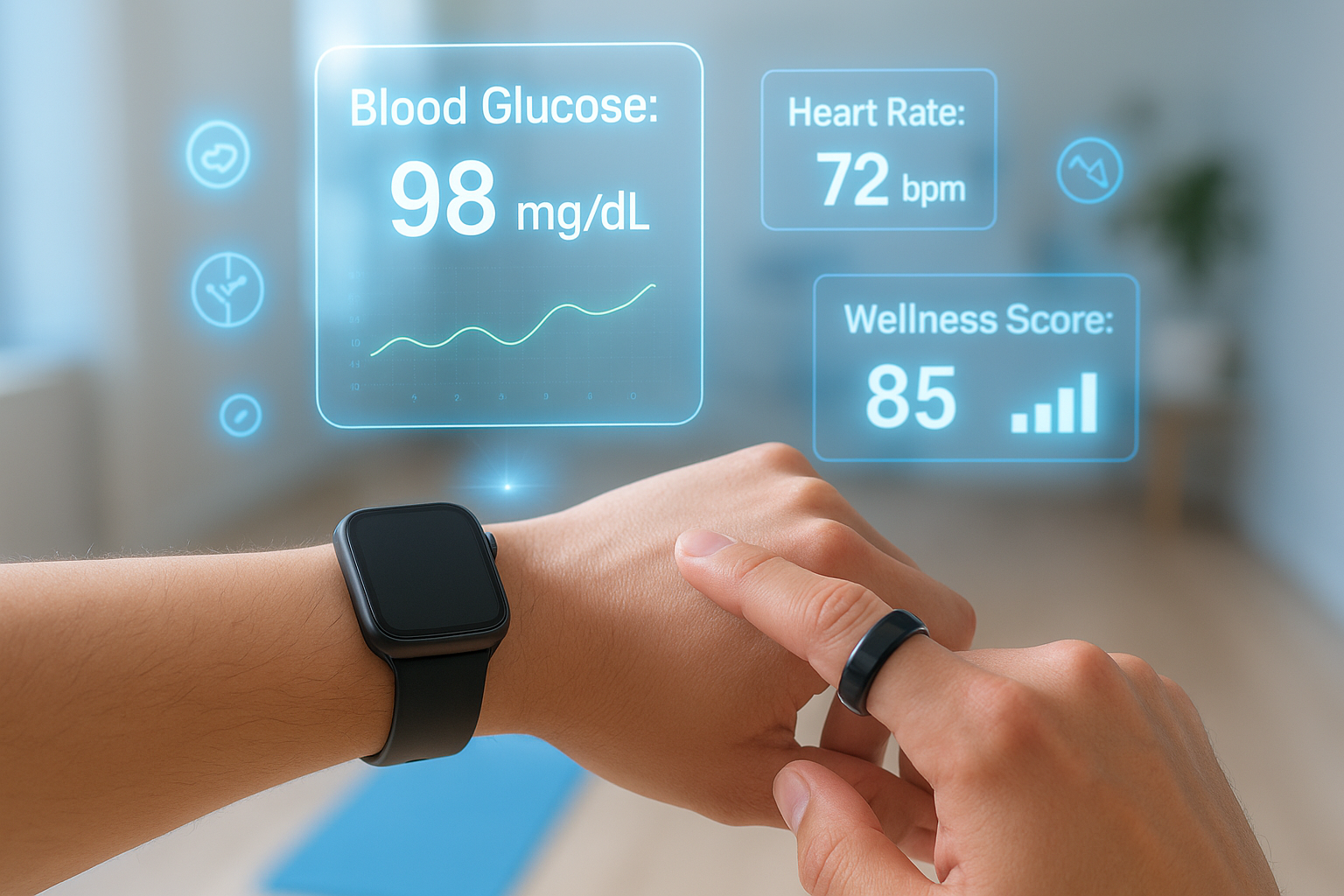
New wearable biosensors are changing this. Devices now use non-invasive methods such as optical sensors, sweat analysis, and near-infrared light technology to estimate glucose levels through the skin — no needles required.
This development is significant not just for diabetics but also for health-conscious individuals who want to understand how specific foods, workouts, or stress levels affect their blood sugar in real time. Continuous glucose awareness can help people make smarter dietary and lifestyle choices every day.
Hydration Monitoring: Knowing When Your Body Needs Water
Dehydration is more common than most people realise. Even mild fluid loss can cause fatigue, reduced concentration, headaches, and lower physical performance. Yet most people rely on thirst alone — which is not always a reliable signal.
Smart wearables now address this gap by analysing sweat composition and bioelectrical signals to estimate the body’s hydration levels. Some devices send real-time alerts when fluid levels drop below an optimal range, prompting users to drink water before symptoms appear.
This feature is particularly valuable for:
- Athletes and gym-goers who lose fluids rapidly during exercise
- Outdoor workers exposed to heat and sun
- Elderly individuals who may not feel thirst as strongly
- People in hot climates like much of India during summer months
Vascular Health Sensors: Checking Blood Flow and Artery Condition
Vascular health refers to the condition of your arteries, veins, and overall blood circulation. Poor vascular health is linked to heart disease, stroke, kidney problems, and cognitive decline. Monitoring it early can make a real difference in long-term outcomes.
Advanced wearable sensors now measure blood oxygen saturation, blood flow efficiency, and arterial stiffness. These readings can indicate early signs of cardiovascular stress, poor circulation, or age-related arterial changes — all without any invasive procedure.
| Health Metric | What It Measures | Who Benefits Most |
|---|---|---|
| ECG | Heart rhythm and electrical activity | People at risk of AFib or heart disease |
| Glucose | Blood sugar levels | Diabetics and health-conscious users |
| Hydration | Body fluid and water balance | Athletes, outdoor workers, elderly |
| Vascular Health | Blood flow, oxygen, artery flexibility | Adults monitoring cardiovascular risk |
Why Biosensing Wearables Matter for Everyday Health
The growing range of biosensing features in wearables is reshaping how people approach their health. These devices are no longer just fitness accessories — they are becoming proactive health companions.
- Preventive care: Continuous monitoring helps catch health issues before they become serious medical emergencies.
- Chronic disease management: People with diabetes, hypertension, or heart conditions benefit from round-the-clock data without frequent hospital visits.
- Lifestyle awareness: Real-time feedback on hydration, stress, and activity helps users build healthier daily habits.
- Doctor-patient communication: Recorded health data from wearables gives doctors more accurate information during consultations.
As biosensor accuracy improves and costs come down, these features are expected to become standard across a wider range of wearable devices — making personalised health monitoring accessible to more people across India and globally.
Whether you are managing a health condition, training for a sport, or simply trying to stay well, today’s wearables offer a level of health insight that was once available only in medical settings. The technology is still evolving, but the direction is clear — your next health check-up may well come from the device on your wrist.
Frequently Asked Questions
Smartwatch ECG sensors can detect irregular heart rhythms such as atrial fibrillation with reasonable accuracy. However, they are not a replacement for a clinical ECG. Any concerning readings should always be reviewed by a qualified doctor.
Non-invasive glucose monitoring in wearables is still an emerging technology. While it offers convenience, current accuracy levels may not yet match traditional finger-prick tests for medical decision-making. Diabetics should consult their doctor before relying solely on wearable glucose readings.
Several fitness bands and smartwatches from brands like Garmin and others have introduced hydration tracking features that use bioelectrical impedance or sweat analysis. The availability of this feature varies by model and region, so it is worth checking the specifications before purchasing.