
Open-Source AI Models vs Proprietary AI Models: Which One Is Right for You?
Choosing between open-source and proprietary AI models affects your cost, data privacy, and customisation options. Here is a detailed comparison to guide your decision.

Choosing between open-source and proprietary AI models affects your cost, data privacy, and customisation options. Here is a detailed comparison to guide your decision.
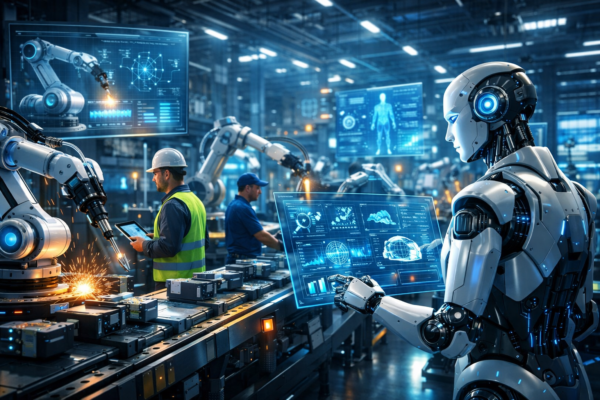
Physical AI merges artificial intelligence with robotics to create machines that think, learn, and act in the real world. Discover how industries are adopting this technology.

Global politics, sanctions, and government policies are now major forces shaping cryptocurrency. Learn how geopolitical events influence crypto adoption, prices, and the future of digital finance.

Edge AI runs artificial intelligence directly on devices like smartphones and cameras without needing the internet. Learn how it works, where it is used, and why it matters.

Smart contracts power blockchain applications but are vulnerable to attacks. Learn why security auditing is critical, how the process works, and the best practices to keep contracts safe.
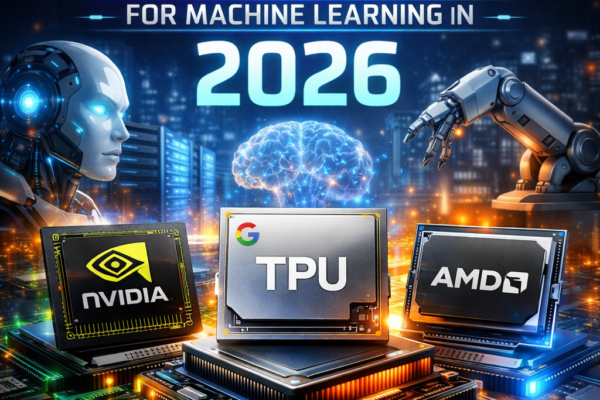
Discover the best AI chips for machine learning in 2026. This guide compares NVIDIA, AMD, Google, and Intel hardware for cloud, data center, and edge AI applications.

Generalist robots powered by AI can now handle multiple tasks, learn from experience, and work alongside humans. Companies like NVIDIA, Tesla, and Boston Dynamics are leading this shift.

Neurotech wearables like Muse Headband, NeuroSky, and FocusCalm are changing how people manage stress, focus, and sleep by tracking real-time brain activity.

Stablecoins like USDT, USDC, and DAI are changing how people use crypto. From DeFi to cross-border payments, here is why their popularity keeps growing in 2024.

Warehouse robots are changing how e-commerce companies fulfill orders. From picking and packing to AI-powered optimization, automated warehouses are setting a new standard for speed and accuracy.