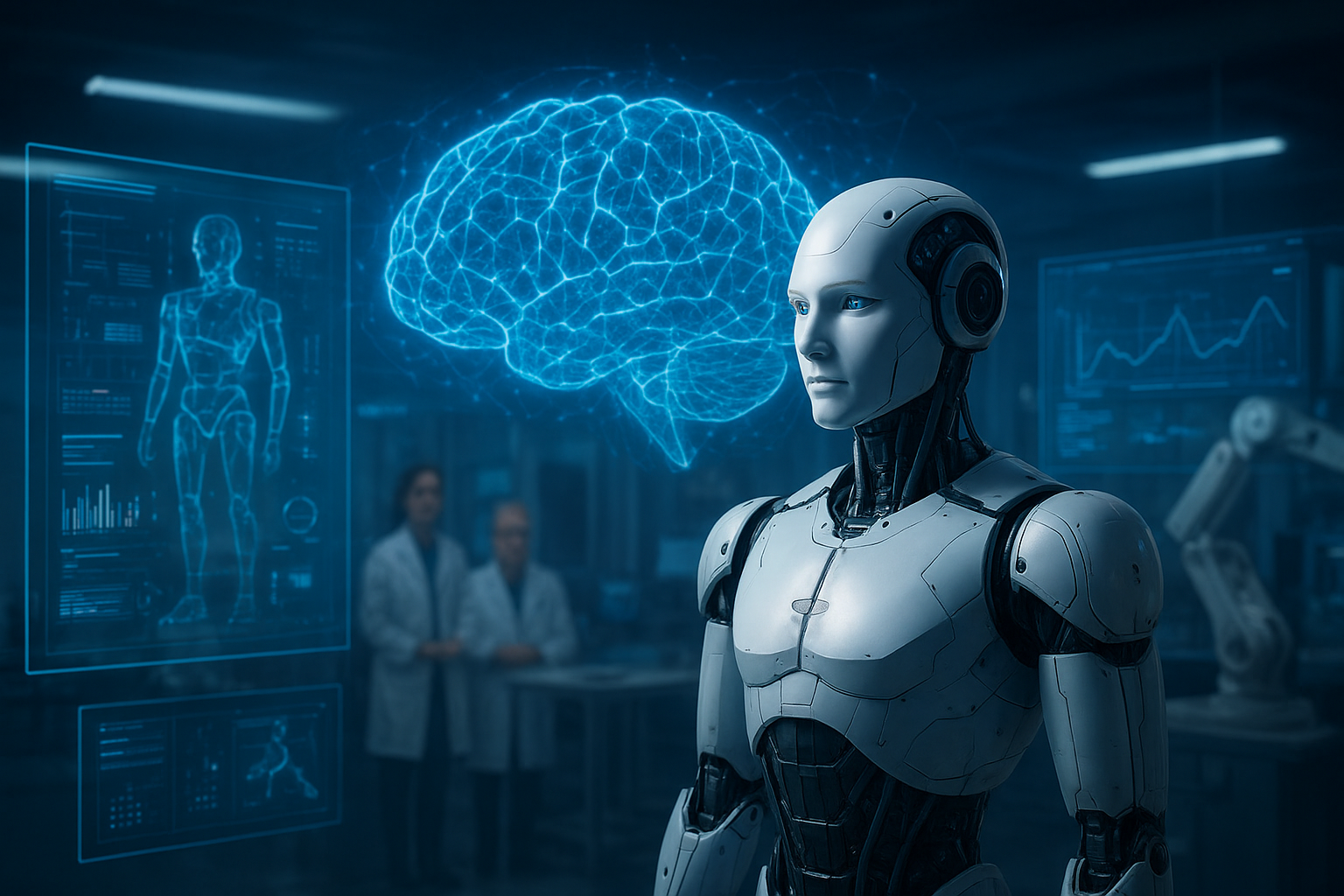
Robots are no longer limited to repeating a single task on a factory floor. Thanks to rapid advances in artificial intelligence, a new breed of machines called generalist robots is changing what automation can do. These robots can handle multiple jobs, adapt to new environments, and make decisions on their own — and companies like NVIDIA, Tesla, and Boston Dynamics are betting big on this technology.
What Are Generalist Robots?
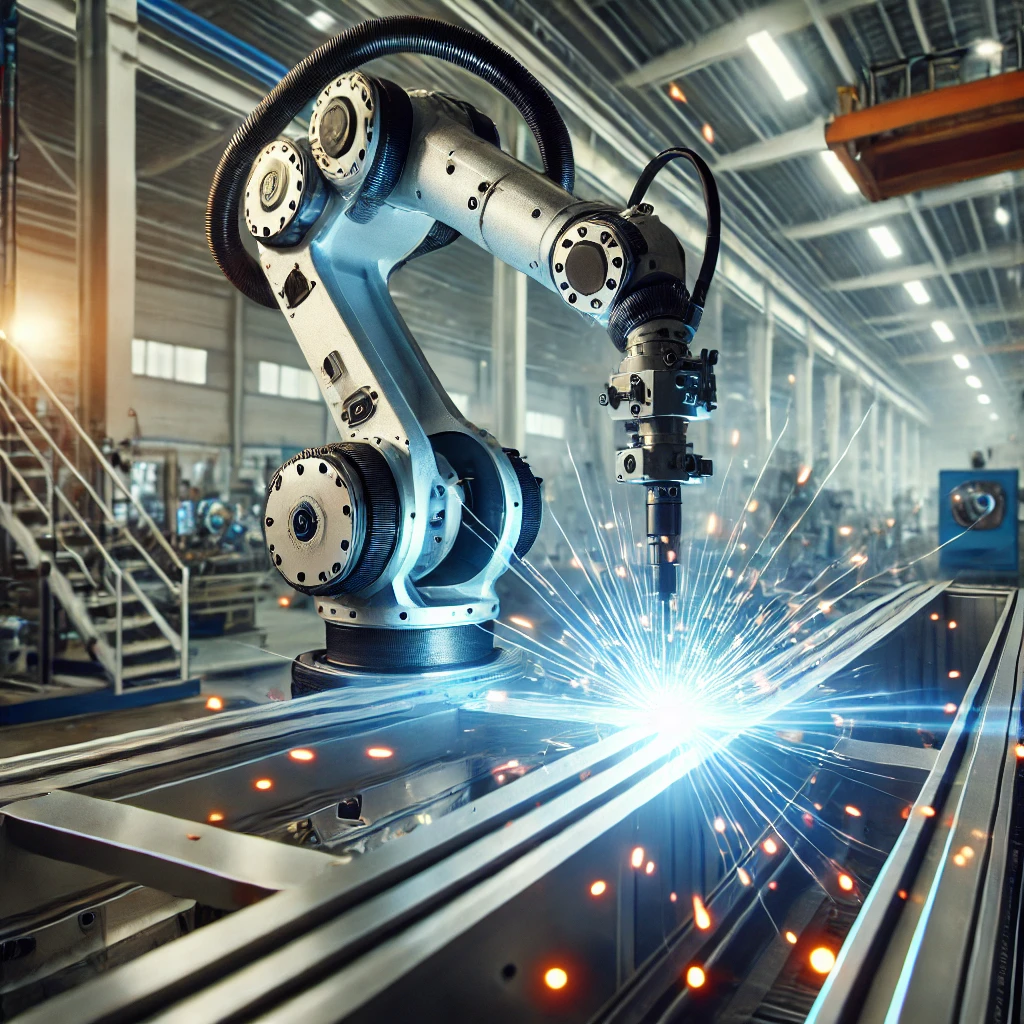
Traditional robots were built for one purpose — welding car parts, packing boxes, or sweeping floors. Once programmed, they could not do much else. Generalist robots are fundamentally different. They are designed to handle a wide variety of tasks without needing separate programming for each one.
Think of them as highly capable machines that can observe their surroundings, understand what needs to be done, and act accordingly. Instead of following a fixed script, they learn and adapt — much like a human worker picking up a new skill on the job.
How Do Generalist Robots Actually Work?
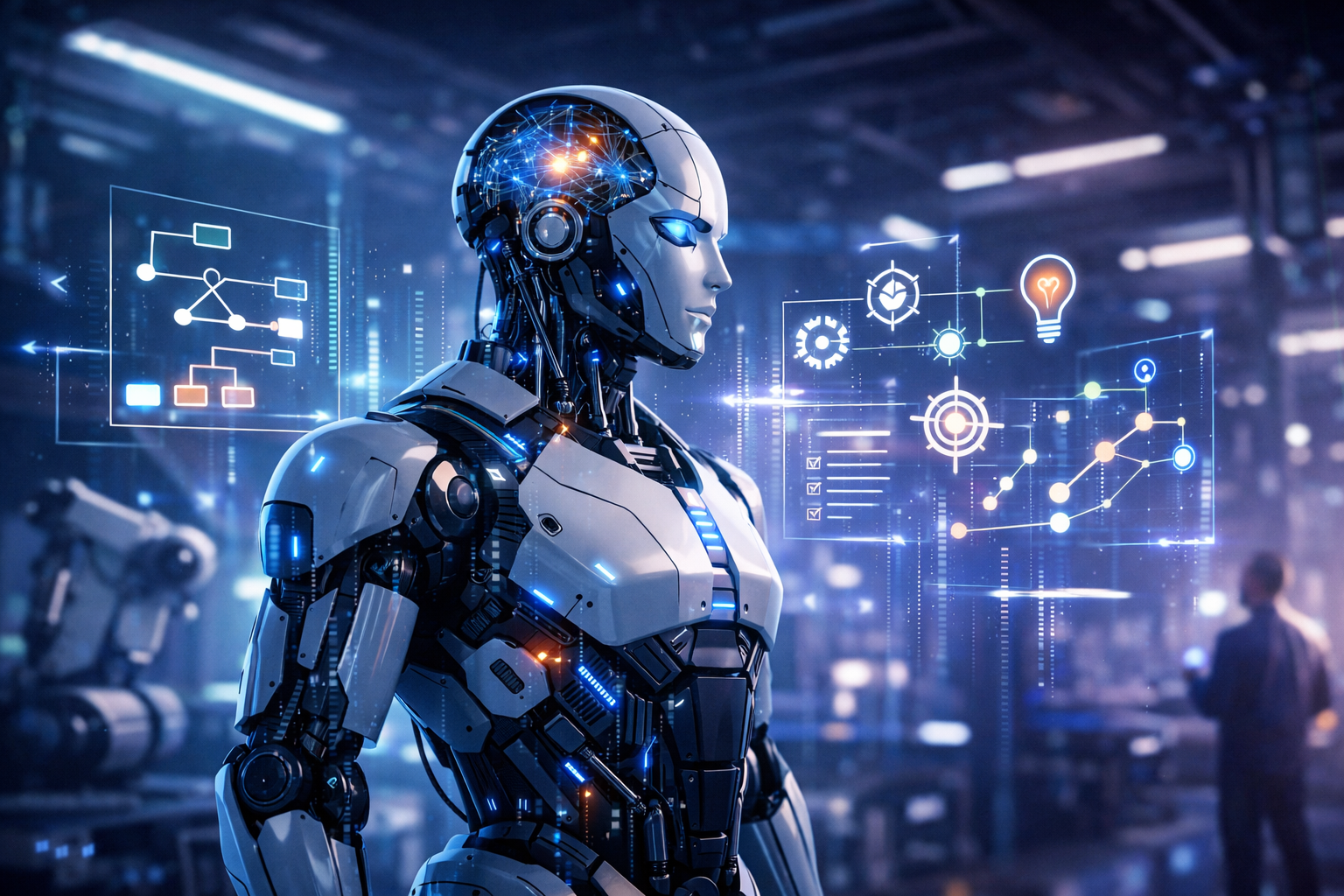
At the heart of every generalist robot is a powerful AI model trained on massive amounts of real-world data — images, physical movements, and complex scenarios. This training allows the robot to:
- See — using cameras and sensors to understand its physical environment.
- Think — using machine learning to process information and decide on the best action.
- Improve — using reinforcement learning to get better with every task it performs.
This approach means the robot does not need a programmer to write new code every time it faces a different situation. It figures things out through experience, similar to how humans learn by doing.
Where Are Generalist Robots Being Used Right Now?
Generalist robots are already active across several industries. Here are some real-world applications:
- Factories: Robots handle manufacturing, sorting, and packaging — switching between tasks as needed.
- Hospitals: Robots carry medicines, assist nursing staff, and reduce the burden on healthcare workers.
- Warehouses: Robots sort items, load boxes, and manage inventory with minimal human supervision.
- Homes (near future): Domestic robots capable of cleaning, cooking, and assisting with daily chores are actively being developed.
Major technology companies are leading this charge. NVIDIA is developing AI platforms specifically for robotics. Tesla is working on its humanoid robot called Optimus. Boston Dynamics has already deployed robots like Atlas and Spot in real industrial settings. All three are focused on robots that can learn by watching humans — the same way a child learns by observing adults.
| Company | Robot / Platform | Key Focus |
|---|---|---|
| NVIDIA | Isaac Robotics Platform | AI training for physical robots |
| Tesla | Optimus | Humanoid robot for general tasks |
| Boston Dynamics | Atlas, Spot | Industrial and field robotics |
Why Generalist Robots Are Important for Businesses and Society
The shift from single-purpose machines to generalist robots has real benefits for businesses, workers, and everyday life. Here is why this matters:
- One robot, many jobs: Companies no longer need separate machines for every task, reducing equipment costs.
- Faster task switching: A generalist robot can move from one job to another without downtime or reprogramming.
- Safer human-robot collaboration: These robots are designed to understand human instructions and work alongside people safely.
- Greater flexibility: They can be trained for new industries or environments without starting from scratch.
Whether in manufacturing, healthcare, logistics, or retail, generalist robots give businesses a way to stay productive without constantly investing in new specialized equipment.
What the Future Holds for AI-Driven Robots
The next few years are expected to bring significant leaps in what generalist robots can do. As AI models grow more sophisticated, robots will become better at understanding human emotions, natural language, and complex physical movements.
In the near future, we could see robots that:
- Handle household chores independently, from cooking to cleaning.
- Provide daily support to elderly or differently-abled individuals.
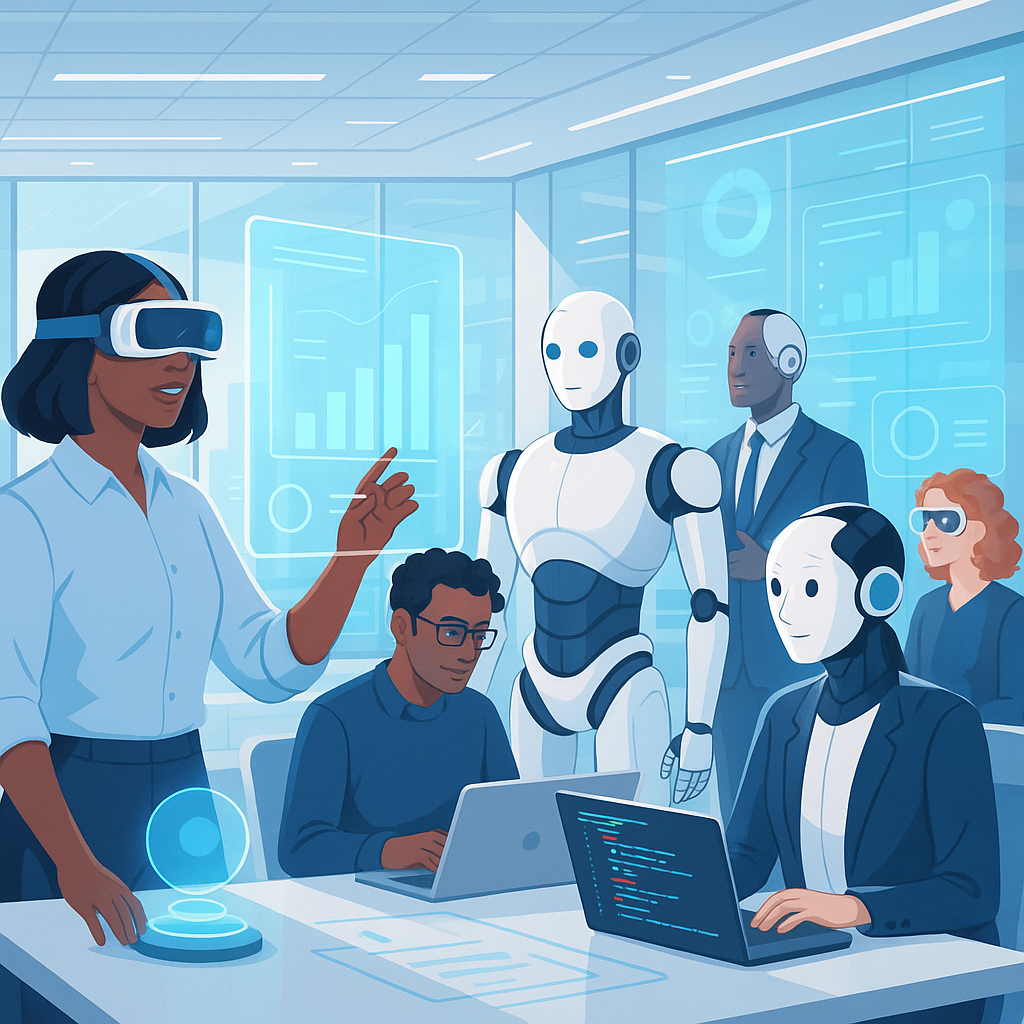
- Work side by side with humans in offices, hospitals, and factories.
This shift is not just about replacing manual labor. It is about creating machines that genuinely assist humans — taking on repetitive, dangerous, or physically demanding work so people can focus on tasks that require creativity, judgment, and human connection.
In conclusion, generalist robots represent one of the most significant technological shifts of this decade. Backed by advances in machine learning and reinforcement learning, and driven by companies like NVIDIA, Tesla, and Boston Dynamics, these machines are moving from science fiction to everyday reality. For businesses and individuals alike, understanding this technology now is the first step toward preparing for a world where robots are true working partners.
Frequently Asked Questions
A generalist robot is an AI-powered machine designed to perform multiple different tasks rather than being limited to a single function. It uses machine learning and sensors to adapt to new environments and jobs without needing separate programming for each task.
Some of the biggest names in generalist robotics include NVIDIA, which develops AI platforms for robots, Tesla with its Optimus humanoid robot, and Boston Dynamics, known for its Atlas and Spot robots used in industrial and field settings.
Generalist robots learn through a combination of machine learning and reinforcement learning. They are trained on large datasets of real-world images and movements, and they improve their performance by repeatedly attempting tasks and learning from the results — similar to how humans learn through practice.