The e-commerce industry is moving faster than ever, and companies are under constant pressure to deliver orders quickly and accurately. Warehouse robots have become one of the most practical solutions to meet this demand. From picking products off shelves to sorting packages by destination, automated systems are helping online retailers work smarter, reduce errors, and serve customers better.
What Robots Actually Do Inside E-Commerce Warehouses
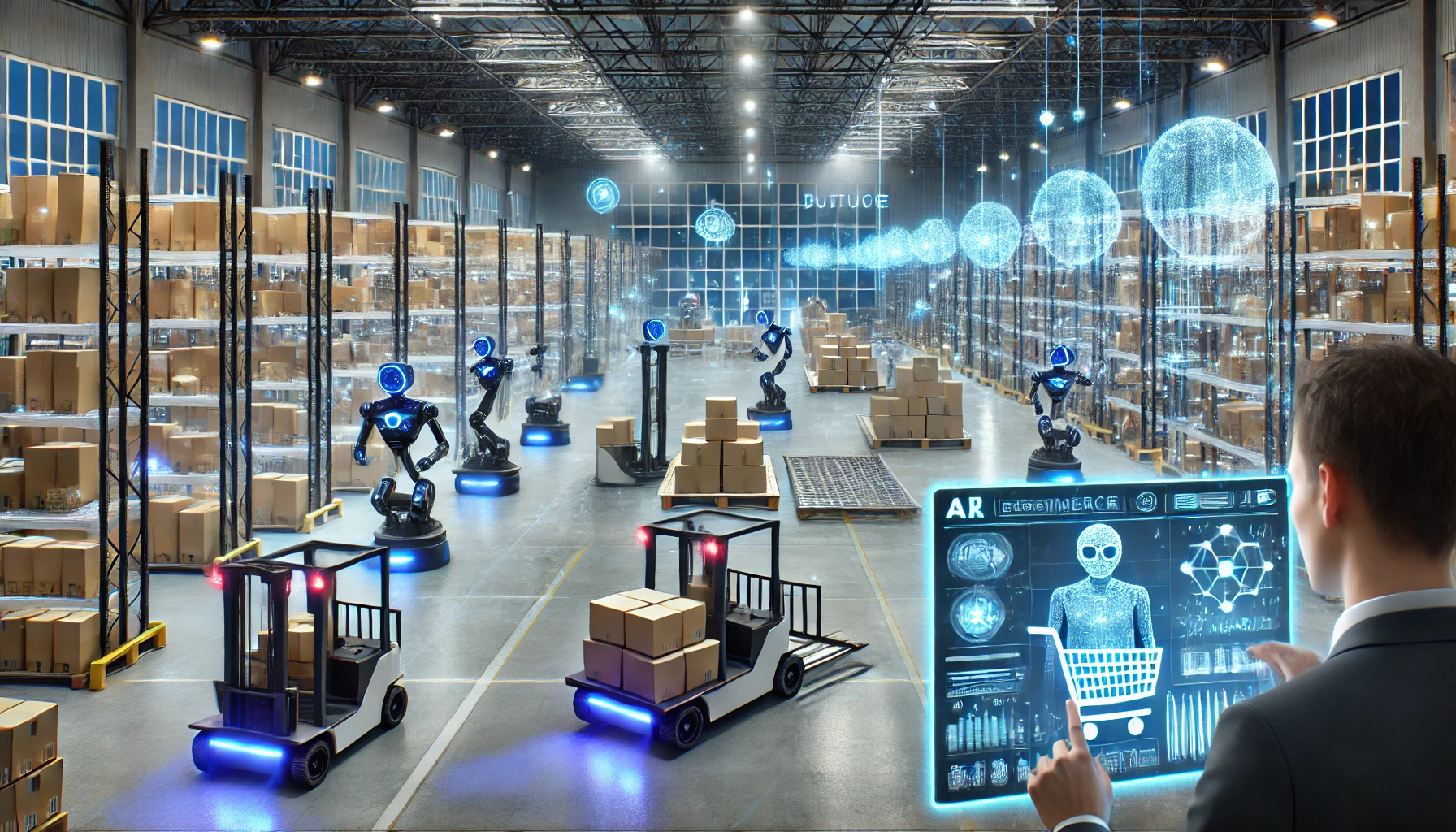
Warehouse robots are not just machines that move boxes around. They are equipped with sensors, cameras, and navigation systems that allow them to operate independently within large fulfillment centers. These robots work around the clock without breaks, which gives e-commerce companies a significant advantage in processing high volumes of orders.
Here are the core tasks robots handle in modern e-commerce warehouses:
- Picking: Robots locate and retrieve specific items from storage shelves with speed and precision, reducing the time it takes to prepare an order.
- Sorting: Packages are grouped by delivery destination automatically, which makes the shipping process faster and more organized.
- Packing: Advanced robotic systems can place products into boxes and verify that the correct items are included before sealing the package.
Why Automated Warehouses Matter for E-Commerce Businesses
The shift toward warehouse automation is driven by clear business benefits. Companies that invest in robotic systems gain advantages that go beyond just speed.
- Faster order processing: Robots complete tasks much quicker than human workers, which directly reduces delivery times and improves customer satisfaction.
- Lower long-term costs: While the initial investment in robotics is significant, companies save considerably on labor costs over time. Robots can handle repetitive tasks that would otherwise require large teams.
- Scalability during peak seasons: During high-demand periods like festive sales or holiday shopping, robots can absorb the extra workload without the need to hire and train temporary staff.
- Improved workplace safety: Robots take on physically demanding or hazardous tasks such as lifting heavy loads or working in extreme temperatures, which lowers the risk of injuries for human employees.
Global E-Commerce Giants Leading Warehouse Automation
Several of the world’s largest online retailers have already built highly automated warehouse operations. Their success has set a benchmark for the rest of the industry.
| Company | How They Use Robots | Key Benefit |
|---|---|---|
| Amazon | Robots move products from storage to packing stations | Faster shipping times |
| Alibaba | Robots sort packages by delivery location | Higher order accuracy |
| Ocado | Robots pack grocery orders in highly automated facilities | One of the most automated warehouses globally |
Amazon remains the most recognized example, having deployed thousands of robots across its fulfillment network. Alibaba and Ocado have followed similar paths, proving that warehouse automation works across different product categories, from electronics to groceries.
The Role of Artificial Intelligence in Smarter Warehouse Robots
Robots become significantly more capable when paired with artificial intelligence. AI allows robotic systems to learn from past operations, adapt to changing order patterns, and improve their performance over time without manual reprogramming.
In practical terms, AI-powered warehouse robots can:
- Predict high-demand periods and adjust their workflows in advance
- Optimize the placement of products within the warehouse to reduce travel time
- Identify potential equipment issues before they cause disruptions
- Continuously improve picking accuracy based on historical data
This combination of robotics and AI is what makes modern fulfillment centers so efficient. The technology does not just automate tasks — it actively improves operations over time.
How Warehouse Robots Improve the Customer Experience
The ultimate goal of any e-commerce business is to keep customers happy. Warehouse automation directly contributes to a better shopping experience in several ways.
- Faster fulfillment: Orders are processed and dispatched more quickly, which means customers receive their purchases sooner.
- Fewer errors: Robots perform tasks with high accuracy, which reduces the chances of wrong items being shipped. This leads to fewer returns and complaints.
- Better human service: When robots handle repetitive warehouse tasks, human employees can focus on customer service, problem-solving, and other areas that require personal attention.
What the Future Holds for E-Commerce Warehouse Robotics
As online shopping continues to grow globally, the role of robots in warehouses will only expand. Several developments are expected to shape the next phase of warehouse automation.
- More intelligent robots: As AI technology advances, robots will become capable of handling a wider range of tasks with greater independence and accuracy.
- Drone delivery within warehouses: Some companies are exploring the use of drones to transport items between different sections of large warehouses, further reducing internal movement time.
- Last-mile drone delivery: Beyond the warehouse, drones could eventually deliver packages directly to customers’ homes, making the entire supply chain faster.
The integration of robotics into e-commerce warehouses is not a distant concept — it is already happening at scale. Companies that adopt these systems early are building a competitive advantage that will be difficult to match in the years ahead.
Warehouse automation is reshaping how online orders are fulfilled, and the pace of adoption is only accelerating. For consumers, this means faster deliveries and fewer mistakes. For businesses, it means lower costs, greater efficiency, and the ability to scale without limits.
Frequently Asked Questions
Robots in e-commerce warehouses handle picking products from shelves, sorting packages by delivery destination, and in some cases packing orders into boxes. They operate continuously without breaks, which helps companies process large volumes of orders quickly and accurately.
Amazon, Alibaba, and Ocado are among the most prominent companies using warehouse robots. Amazon uses robots to move products from storage to packing areas, Alibaba uses them for package sorting, and Ocado operates some of the most automated grocery fulfillment centers in the world.
Artificial intelligence allows warehouse robots to learn from past operations, predict high-demand periods, optimize product placement, and identify potential issues before they cause delays. Over time, AI-powered robots improve their own performance without needing manual updates.