
Wearable technology has become a part of everyday life — from fitness bands tracking your steps to smartwatches keeping you connected. But as these devices grow in popularity, so does concern about their environmental impact. The good news is that the tech industry is responding with greener choices, from recycled materials to energy-saving designs and longer-lasting builds.
Why Eco-Friendly Wearables Matter
Every year, millions of electronic devices are discarded, contributing to a growing e-waste crisis. Wearables, despite being small, add to this problem. Batteries, plastics, and rare metals inside these gadgets can harm the environment when not disposed of properly.
This is why sustainability in wearable tech is no longer just a trend — it is becoming a responsibility. Brands that take this seriously are not only reducing their carbon footprint but also building trust with environmentally conscious consumers.
Earth-Friendly Materials Replacing Traditional Plastics
One of the most visible changes in sustainable wearables is the shift in materials. Companies are moving away from conventional plastics and choosing recycled or organic alternatives instead.
- Some smartwatch straps are now made from ocean-collected plastics, giving waste a second life.
- Plant-based components are being used in device casings and bands.
- Packaging is going green too, with brands opting for recyclable or biodegradable materials to reduce landfill waste.
These material choices may seem small, but at scale — across millions of devices — they make a meaningful difference to the environment.
Energy Efficiency: Smarter Power Use in Wearables
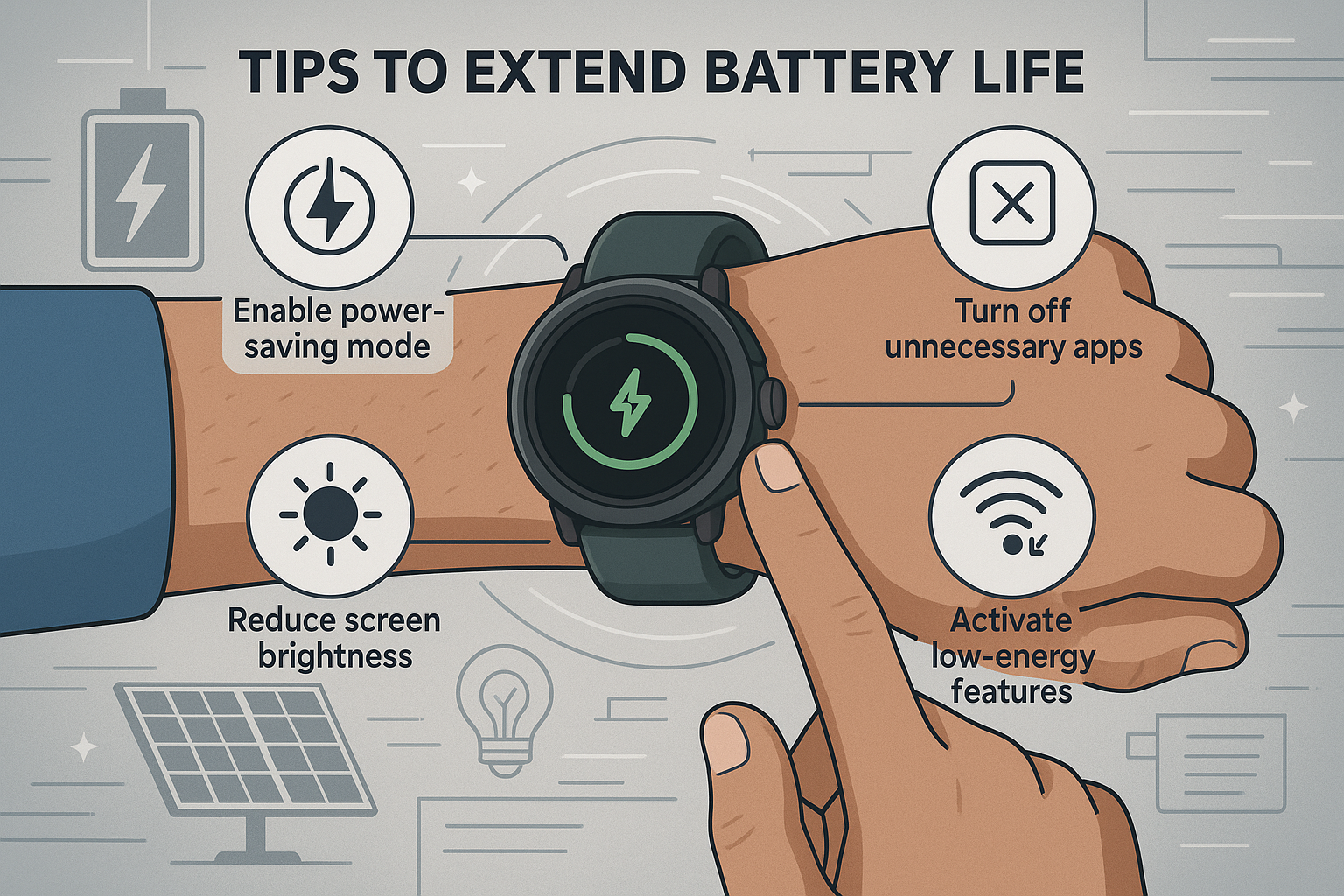
Battery life has always been a challenge for wearable devices. But improving energy efficiency is now also an environmental goal, not just a convenience feature.
- Some wearables now include built-in solar panels that allow charging from sunlight, reducing dependence on grid electricity.
- Low-power processors and chips help extend battery life significantly, meaning users charge their devices less often.
- Power-saving modes, offered by brands like Garmin, let users reduce energy consumption during low-activity periods.
Technologies like 5G and the Internet of Things (IoT) are also playing a role here. These technologies allow devices to transmit data faster while consuming less power. IoT connectivity also means devices can work together more efficiently, reducing the need for multiple gadgets and simplifying the overall tech ecosystem.
Longevity and Durability: The Greenest Feature of All
The most sustainable device is one that does not need to be replaced. The longer a wearable lasts, the less e-waste it generates and the fewer resources are consumed in manufacturing a replacement.
Leading brands are now focusing on building wearables with durable materials that can withstand years of daily use. Regular software updates also extend the functional life of devices, meaning users do not feel the pressure to upgrade every year.
This approach benefits both the consumer and the planet — fewer purchases mean less spending and less waste.
Leading Brands Driving Sustainable Wearable Tech
Several major technology companies are making sustainability a core part of their wearable product strategy:
- Apple: Apple has committed to reducing its carbon footprint across its entire product range. The company uses renewable energy in its manufacturing processes and incorporates recycled materials into devices like the Apple Watch.
- Garmin: Known for its fitness trackers and GPS wearables, Garmin integrates recycled materials into its product designs and offers energy-saving modes to help users reduce power consumption.
- Withings: This health-focused wearable brand prioritises sustainability through green packaging and the use of environmentally responsible materials in its devices.
| Brand | Key Sustainability Initiative | Notable Product |
|---|---|---|
| Apple | Recycled materials, renewable energy manufacturing | Apple Watch |
| Garmin | Recycled components, power-saving modes | Garmin Fitness Trackers |
| Withings | Green packaging, eco-friendly materials | Withings Health Wearables |
How You Can Support Green Wearable Tech
As a consumer, your buying decisions have real impact. Here are practical steps you can take to support sustainable wearable technology:
- Choose wearables made from recycled or plant-based materials.
- Opt for devices with strong energy efficiency ratings and long battery life.
- Recycle old or broken gadgets through certified e-waste recycling programmes instead of throwing them in the bin.
- Support brands that are transparent about their sustainability practices and environmental commitments.
- Avoid unnecessary upgrades — if your current device works well, keep using it.
As awareness around environmental issues grows, demand for eco-friendly wearables is rising steadily. The wearable tech space is shifting — driven by better materials, smarter energy use, and a genuine commitment to building products that last. These gadgets are no longer just about convenience. They are becoming part of a broader movement toward a lifestyle that is better for the planet.
Frequently Asked Questions
A wearable gadget is considered eco-friendly when it uses recycled or organic materials, consumes less energy, has a longer lifespan to reduce e-waste, and comes in sustainable packaging. Brands like Apple, Garmin, and Withings are examples of companies adopting these practices.
Apple, Garmin, and Withings are among the leading brands in sustainable wearable technology. Apple uses recycled materials and renewable energy in manufacturing, Garmin incorporates recycled components and power-saving modes, and Withings focuses on green packaging and eco-friendly materials.
5G technology allows wearable devices to transmit data faster while using less power compared to older network technologies. Combined with IoT connectivity, it enables devices to work together more efficiently, reducing overall energy consumption and the need for multiple gadgets.