
ROS 2 vs ROS 1: Key Differences Every Robotics Developer Should Know
ROS 2 brings real-time support, built-in security, and cross-platform compatibility that ROS 1 never had. Here is what changed and why it matters for robotics developers.

ROS 2 brings real-time support, built-in security, and cross-platform compatibility that ROS 1 never had. Here is what changed and why it matters for robotics developers.

Implantable wearables are tiny tech devices placed inside the body to monitor health, store data, and more. Once science fiction, they are now a growing reality in medicine and consumer tech.

Net-zero buildings balance energy use with on-site clean energy production. Learn how they work, their key features, real-world examples, and why they matter for the planet.
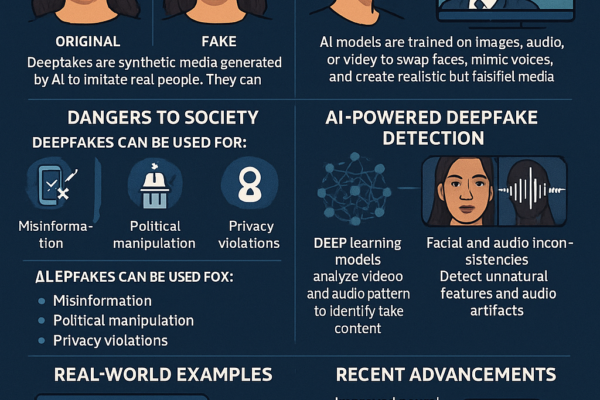
Deepfakes are becoming harder to spot as AI-generated fake videos spread online. Here is how AI detection tools fight back and what you can do to stay safe.

AI is reshaping how SaaS platforms work — from automating repetitive tasks to delivering personalized experiences and real-time data insights for smarter business decisions.

Web3, NFTs, and GameFi are reshaping the internet and gaming economy. Here is a simple breakdown of what these technologies mean and why they matter in 2026.
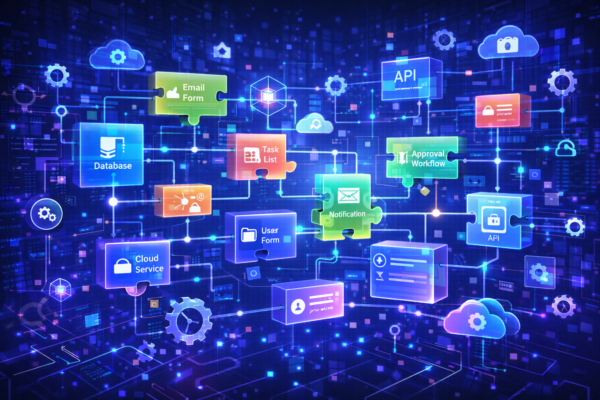
Low-code development is reshaping how businesses build software by enabling faster, cheaper, and more collaborative application development — even without deep coding skills.

Web3 infrastructure is the invisible backbone of the decentralized internet. In 2026, projects covering storage, node services, cross-chain tech, and identity are shaping how blockchain apps are built.
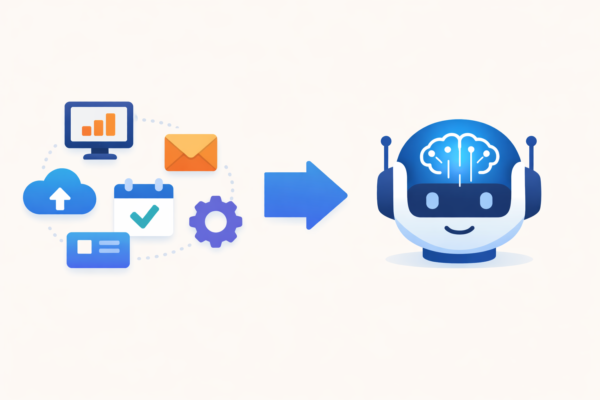
AI agents are reshaping the software industry. Learn whether they will fully replace SaaS tools, which sectors remain safe, and how businesses can prepare for this major shift.

Artificial intelligence is reshaping engineering across every discipline — from faster design cycles and smart automation to predictive maintenance and data-driven decision-making.