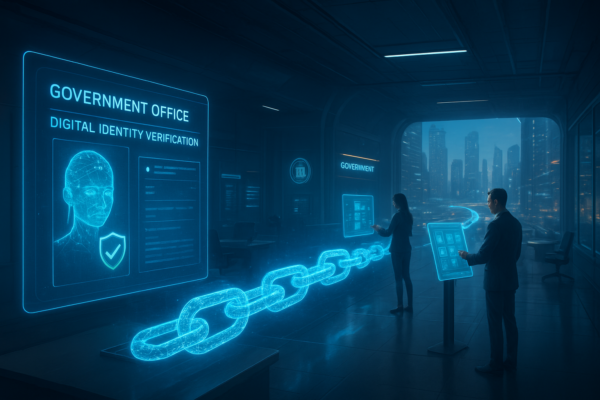
How Blockchain Is Transforming Digital Identity and e-Governance Worldwide
Blockchain is reshaping how governments manage digital identity and public services. From land records to voting and welfare, here is how it works and why it matters.

Blockchain is reshaping how governments manage digital identity and public services. From land records to voting and welfare, here is how it works and why it matters.
Dark factories are fully automated manufacturing plants where AI and robots handle all production with no human workers on the floor, running 24/7 in complete darkness.

Edge-to-cloud software architecture combines local edge processing with cloud power to deliver faster, more secure, and cost-effective systems. Here is how it works and why it matters in 2025.
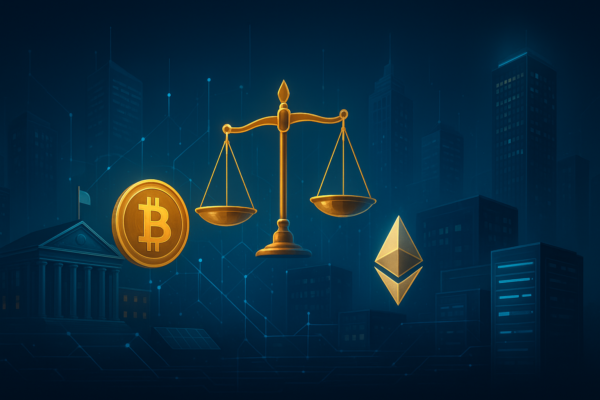
Crypto regulation is changing rapidly in 2025. From Europe’s MiCA law to US tax rules and India’s CBDC push, here’s what every investor and blockchain user needs to know.
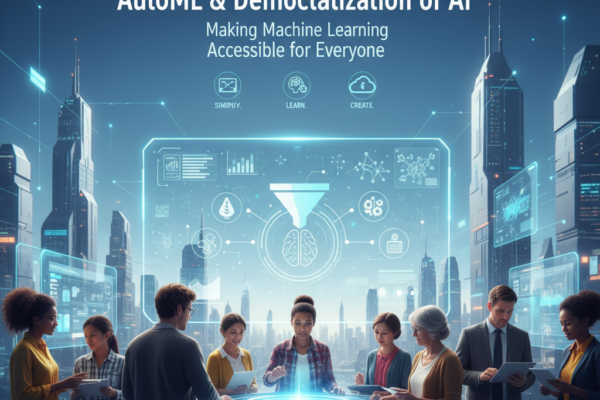
AutoML is transforming how people use artificial intelligence by automating complex machine learning tasks. Here is how it works and why it matters in 2025.

Post-Quantum Cryptography is the next frontier in digital security. As quantum computers advance, RSA and ECC encryption face serious risks. Here is why PQC adoption matters now.
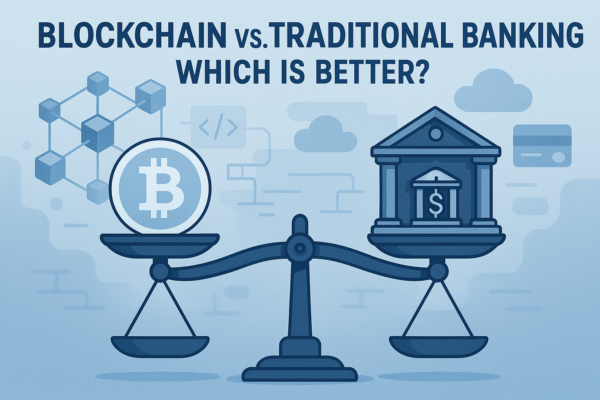
Blockchain and traditional banking both manage money but work very differently. Compare speed, cost, security, and access to find out which system works best for you.
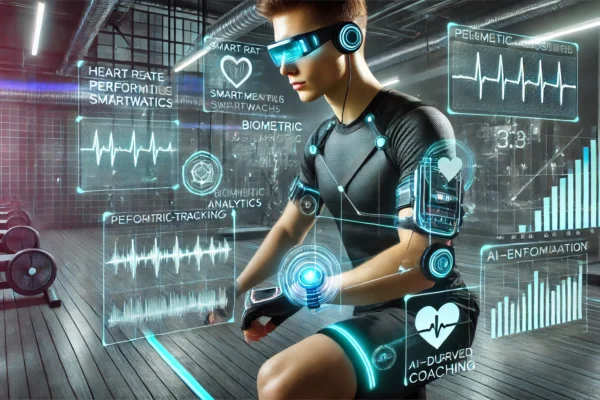
Wearable devices are changing how athletes and fitness enthusiasts train, recover, and perform. Here is how smartwatches and fitness trackers are making a real difference.

RoboBallet is an AI-driven system that coordinates multiple factory robots to work in sync, improving speed, accuracy, and efficiency across industries like auto, aerospace, and logistics.
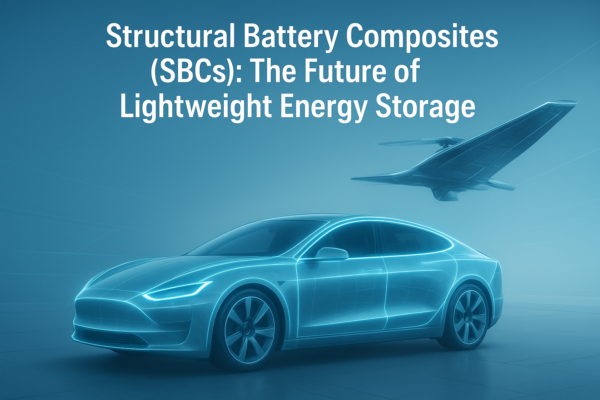
Structural Battery Composites (SBCs) combine mechanical strength with energy storage in a single material, potentially transforming electric vehicles, aerospace, and consumer electronics.