
Software as a Service, commonly known as SaaS, has been changing how businesses operate for over two decades. But the arrival of artificial intelligence has pushed this transformation into a completely new direction. Today, SaaS tools are not just convenient — they are becoming intelligent, adaptive, and deeply integrated into how companies make decisions and serve customers.
What Is SaaS and Why It Matters
SaaS stands for Software as a Service. Unlike traditional software that requires installation on a computer, SaaS tools run entirely on the internet. You simply log in through a browser and start working — no downloads, no manual updates, no complex setup.
Some everyday examples of SaaS tools include:
- Email platforms and productivity suites
- Design and creative tools
- Customer relationship management (CRM) software
- Accounting and invoicing platforms
- Marketing and social media management tools
SaaS works on any device, updates automatically, and scales easily as a business grows. This flexibility has made it the preferred choice for startups, small businesses, and large enterprises alike.
How AI Is Making SaaS Tools Smarter
Traditional software followed fixed instructions. It did exactly what you told it to do — nothing more. With AI integrated into SaaS platforms, the dynamic has shifted significantly.
AI-powered SaaS tools can now:
- Analyze large volumes of data in real time
- Learn from user behavior and adapt over time
- Offer smart recommendations based on patterns
- Predict outcomes and flag potential issues before they occur
This means the software is no longer just a tool — it becomes a working partner that helps users complete tasks faster and with greater accuracy.
Automation, Personalization, and Smarter Decisions
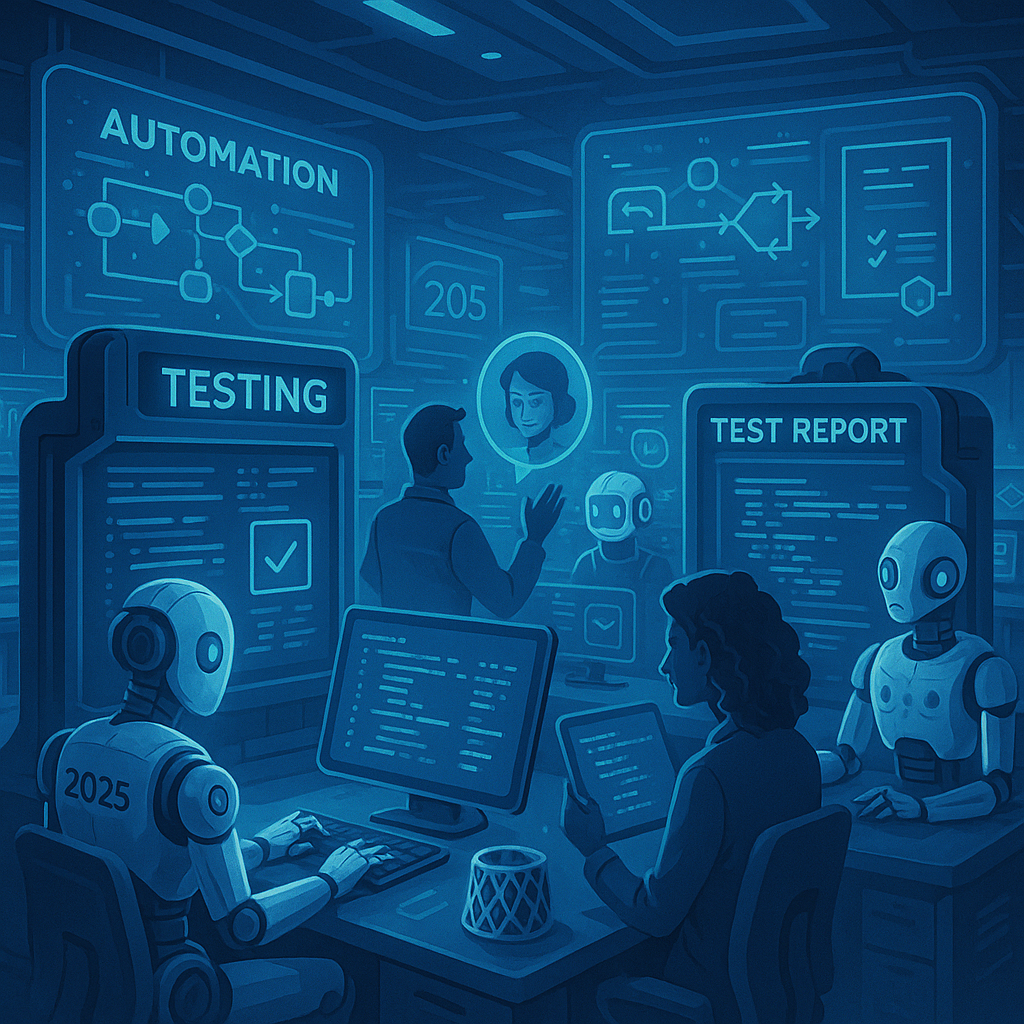
One of the biggest advantages of AI-powered SaaS is automation. Repetitive tasks like data entry, generating reports, answering common customer queries, and scheduling follow-ups can now be handled automatically. This frees up employees to focus on higher-value work that actually requires human judgment.
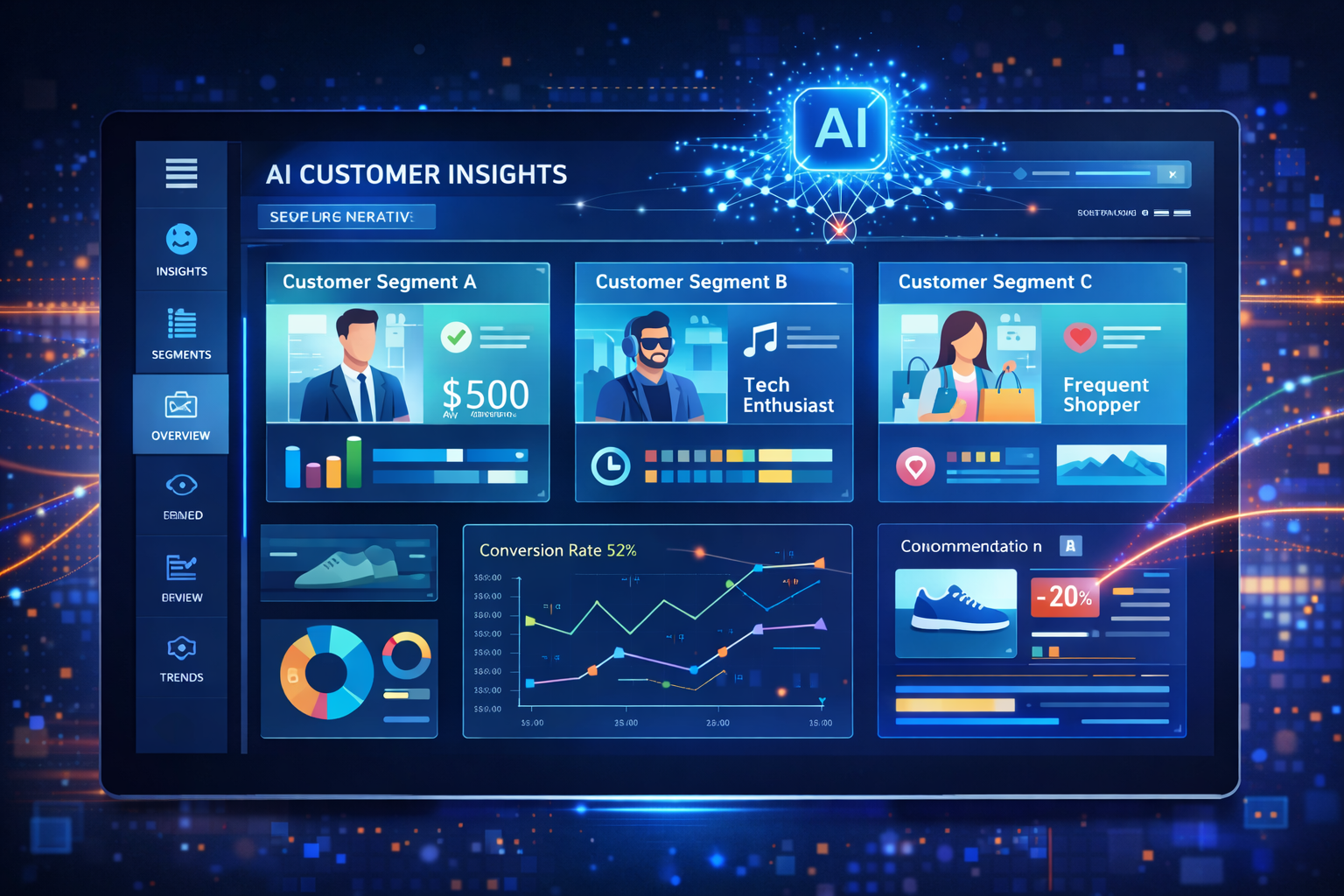
Beyond automation, modern SaaS platforms are delivering personalized experiences. The software studies how each user works and what they need, then adjusts its suggestions accordingly. A marketing platform might recommend the best time to publish content. A sales tool might highlight which leads are most likely to convert. These small nudges add up to significant productivity gains over time.
AI also helps businesses make better, data-driven decisions. Instead of relying on gut feeling or manually sorting through spreadsheets, teams can access clear insights generated from complex data sets. This helps leaders plan more confidently and respond to market changes faster.
| Feature | Traditional SaaS | AI-Powered SaaS |
|---|---|---|
| Task Handling | Manual input required | Automated with smart triggers |
| User Experience | Same for all users | Personalized per user behavior |
| Data Analysis | Basic reporting | Real-time insights and predictions |
| Tool Integration | Manual data transfer | Automatic cross-platform sync |
Integration and Workflow Efficiency
Modern businesses use multiple software tools simultaneously — for sales, marketing, customer support, finance, and operations. AI-powered SaaS platforms connect these tools more effectively by sharing data automatically across systems.
For example, when a customer places an order, the sales platform, inventory system, and customer support tool can all update in real time without anyone manually entering the same information three times. This kind of connected workflow reduces errors, saves time, and improves the overall customer experience.
Challenges and Concerns Worth Knowing
Despite the clear benefits, AI-powered SaaS does come with challenges that businesses should be aware of:
- Data privacy and security: Since SaaS tools store sensitive business and customer data on cloud servers, security remains a top concern. Businesses must choose platforms with strong encryption and compliance standards.
- Data quality dependency: AI performs well only when it has access to accurate, clean data. Poor data quality leads to unreliable outputs and flawed recommendations.
- Adoption and learning curve: Employees may need time and training to adapt to new AI-driven features, especially in organizations that are used to traditional workflows.
These challenges are real but manageable. As the technology matures and vendors invest more in user-friendly design and security infrastructure, these barriers are gradually coming down.
What the Future of SaaS Looks Like
The trajectory of SaaS in the coming years points toward software that does not just assist but actively participates in business operations. Future SaaS platforms are expected to think, learn, and make decisions with minimal human input.
Businesses may soon run entire departments — from customer service to financial planning — using intelligent SaaS tools that handle routine operations independently. Human teams will focus on strategy, creativity, and relationship-building while the software manages execution.
This shift is not a distant possibility. Many companies are already experiencing early versions of this reality through tools that automate workflows, generate content drafts, predict customer churn, and optimize ad spending in real time.
For businesses in India and globally, adopting AI-powered SaaS is quickly moving from a competitive advantage to a basic necessity. Companies that embrace this shift early will be better positioned to grow faster, operate leaner, and serve their customers more effectively.
Frequently Asked Questions
Traditional SaaS follows fixed instructions and requires manual input for most tasks. AI-powered SaaS can analyze data, learn from user behavior, automate repetitive tasks, and offer personalized recommendations — making it far more efficient and adaptive.
Most reputable AI-powered SaaS platforms use strong encryption and comply with data protection regulations. However, businesses should always review a platform's security certifications, data storage policies, and compliance standards before adopting it.
Small businesses can use AI-powered SaaS to automate tasks like customer support, invoicing, and marketing — reducing the need for large teams. These tools also provide data insights that help small business owners make smarter decisions without needing a dedicated analyst.