
How Wearables Now Track ECG, Glucose, Hydration and Vascular Health
Modern smartwatches and smart rings now track ECG, blood glucose, hydration, and vascular health using advanced biosensors — turning wearables into personal health monitoring tools.

Modern smartwatches and smart rings now track ECG, blood glucose, hydration, and vascular health using advanced biosensors — turning wearables into personal health monitoring tools.

Amazon has unveiled Vulcan, a warehouse robot with a sense of touch. Using tactile sensors, it can handle 75% of Amazon’s inventory with precision and human-like grip control.

Apple’s September 2025 event unveiled the ultra-thin iPhone Air, Apple Watch Series 11 with blood pressure monitoring, Watch Ultra 3, Watch SE 3, and AirPods Pro 3 with live translation.

Blockchain technology is changing how healthcare manages patient data — improving security, giving patients more control, and reducing costs for providers and individuals alike.
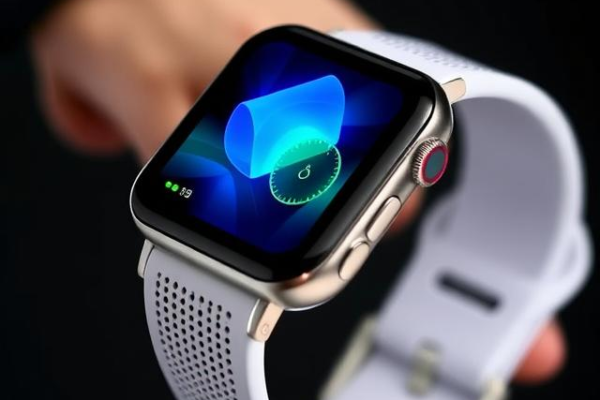
From smartwatch bands to wireless charging docks, discover the best wearable accessories in 2024 that improve style, protection, and comfort for your smart gadgets.

Robots are changing healthcare by improving surgical precision, speeding up patient recovery, and making hospitals safer. Explore the key applications and benefits of medical robotics.

Floating solar farms and hydrokinetic turbines are reshaping clean energy by generating power from water surfaces and river currents without using land or building dams.

AI and smart sensor networks are changing how we predict and respond to wildfires and floods, giving communities earlier warnings and helping save lives before disasters strike.

React Native’s latest update delivers faster app performance, improved UI components, better native code integration, and upgraded developer tools for Android and iOS app development.
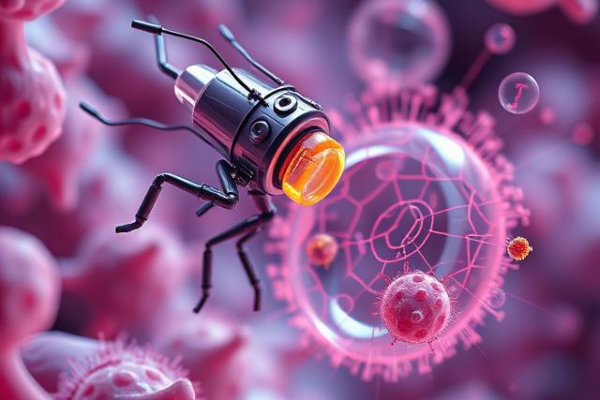
Nanorobotics is advancing fast. Learn how nanobots work, their potential uses in medicine, manufacturing, and environmental cleanup, and the key challenges ahead.